
Visit
€€
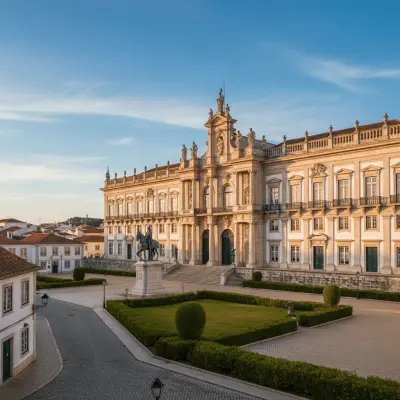
Paço Ducal de Vila Viçosa
Vila Viçosa
The castle where the Braganzas lived before they decided marble suited them better. Today it holds two museums, ramparts with views over olive groves, and the church where King João IV laid down the Portuguese crown in 1646.
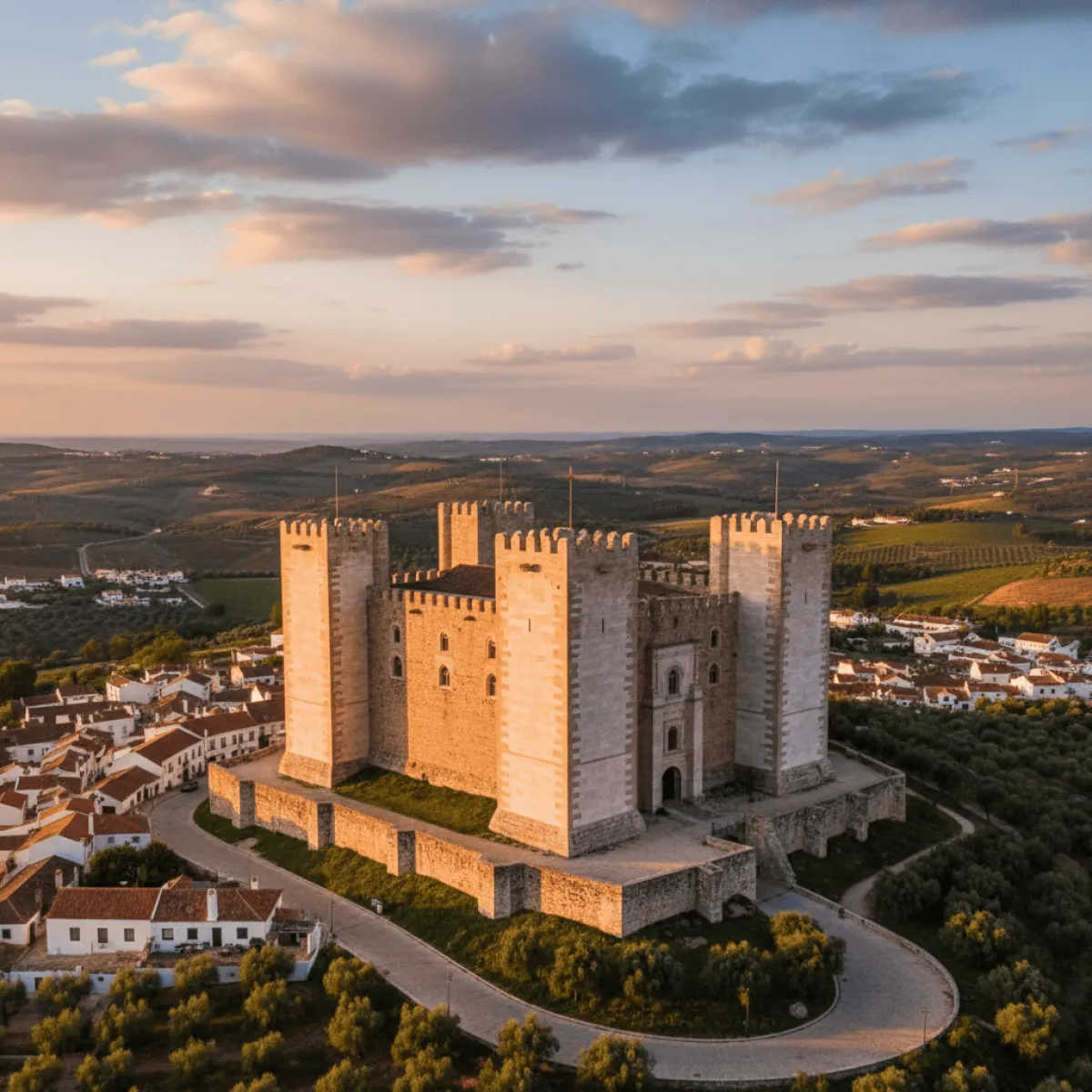
The Castelo de Vila Viçosa is the older, less famous sibling of the Paço Ducal de Vila Viçosa. The Braganzas lived inside these walls on Largo do Castelo from the 13th century onwards, until they decided they needed more space and more marble and built the Ducal Palace across the square. Most tourists do the Ducal Palace first and skip the castle, or treat it as a quick stop before lunch. That is a mistake. The castle is rougher, quieter, and rewards the kind of slow visit that the Ducal Palace, for all its grandeur, does not allow.
The building is a 13th-century National Monument and now houses two collections: the Hunting Museum and the Archaeology Museum. The Hunting Museum is divisive. If you are uncomfortable with rooms of taxidermied trophies hunted by Portuguese royalty and dukes over decades, this will not be your favourite hour of the day. The display is more historical than celebratory, but it is still confronting. Bring children with care.
The Archaeology Museum is where I would spend the bulk of my time. It holds Roman and medieval pieces excavated in the region, and it does the unglamorous but useful job of reminding you that this corner of the Alentejo mattered long before the Braganzas arrived. The labels are well written, even in a small-town museum that could have easily phoned it in.
Vila Viçosa sits in the Alto Alentejo, around two hours by car from Lisbon on the A6 motorway, exit at Borba/Vila Viçosa. There is no direct train. Rede Expressos buses run, but with limited timetables. Honestly, a car is the only sensible option, especially if you want to combine the castle with the local wine route.
Once you are in town, the castle sits at the opposite end of the Terreiro do Paço from the Ducal Palace. It is a five-minute walk between the two. Park near the Terreiro do Paço, which is free and central. The neighbourhood around the castle is the oldest part of Vila Viçosa: narrow cobbled streets, low whitewashed houses, almost no tourist shops. It is one of the few Portuguese castle quarters where you still see locals sitting in their doorways at dusk.
Entry is in the budget bracket, marked €, which means it is genuinely cheap by Portuguese castle standards. Opening hours are not reliably published anywhere and they shift with the season, so call ahead on +351 268 980 128 or check the official site of the Fundação Casa de Bragança at fcbraganca.pt before you leave. Do not drive two hours from Lisbon to find a closed gate because it is the weekly day off.
The formal address is Largo do Castelo, 7160-251 Vila Viçosa. There is no restaurant or café inside the castle, and the only toilet is small, so handle that beforehand or at the café on the square. Wear comfortable, grippy shoes: the rampart paving is uneven and there are stone steps. Wheelchair access is, unfortunately, very limited, with no lifts. No reservations are needed for individuals. For groups, ring ahead.
Climb the ramparts. This is the best thing about the castle, and most rushed visitors miss it entirely. From the top of the walls you look across at the Ducal Palace in its white marble, the Alentejo plains fading into haze, and the olive groves that still partly belong to the Casa de Bragança Foundation. Go in late afternoon, around five or six, when the light turns low and gold. There is no better sunset spot in Vila Viçosa.
Within the walls is also the Igreja de Nossa Senhora da Conceição, which holds the painting of the patron saint of Portugal. In 1646, King João IV laid the Portuguese crown at the feet of this image, and since then no Portuguese king has worn a crown. It is the kind of historical footnote that deserves to be told slowly, inside the church, rather than skimmed off a plaque.
Do not come to Vila Viçosa for the castle alone. Pair it with the Ducal Palace in the morning, when it is quieter, lunch at a town tasca, and the castle in the mid-to-late afternoon. If you are staying overnight, the Pousada Convento Vila Viçosa, housed in the former Convento das Chagas, is the atmospheric choice. For something more pampered, the Alentejo Marmòris Hotel & Spa is the upmarket option. To stretch the trip, follow the Vila Viçosa wine route through marble country, or check the local festival calendar before you book your dates. If you are still wondering whether inland Alentejo beats the coast, read why Vila Viçosa has no beach and is better for it.
Yes, with calibrated expectations. If you are looking for a fairy-tale castle with high towers and medieval drama, you will be disappointed. The Castelo de Vila Viçosa is compact, sober, and was always more administrative than defensive. The value lies in understanding that an entire royal dynasty started here, and in climbing the ramparts to see the Alentejo from above. For the price of the ticket, it is one of the best cultural bargains in the country.