Vila Viçosa Wine Route: Alentejo's Marble Country Cellars
Vila Viçosa and Borba form one of the Alentejo's most accessible and least-explored wine routes. Full-bodied reds, talha wines aged in clay amphorae, and reserve bottles for three euros, all without the Douro's tourism machinery.
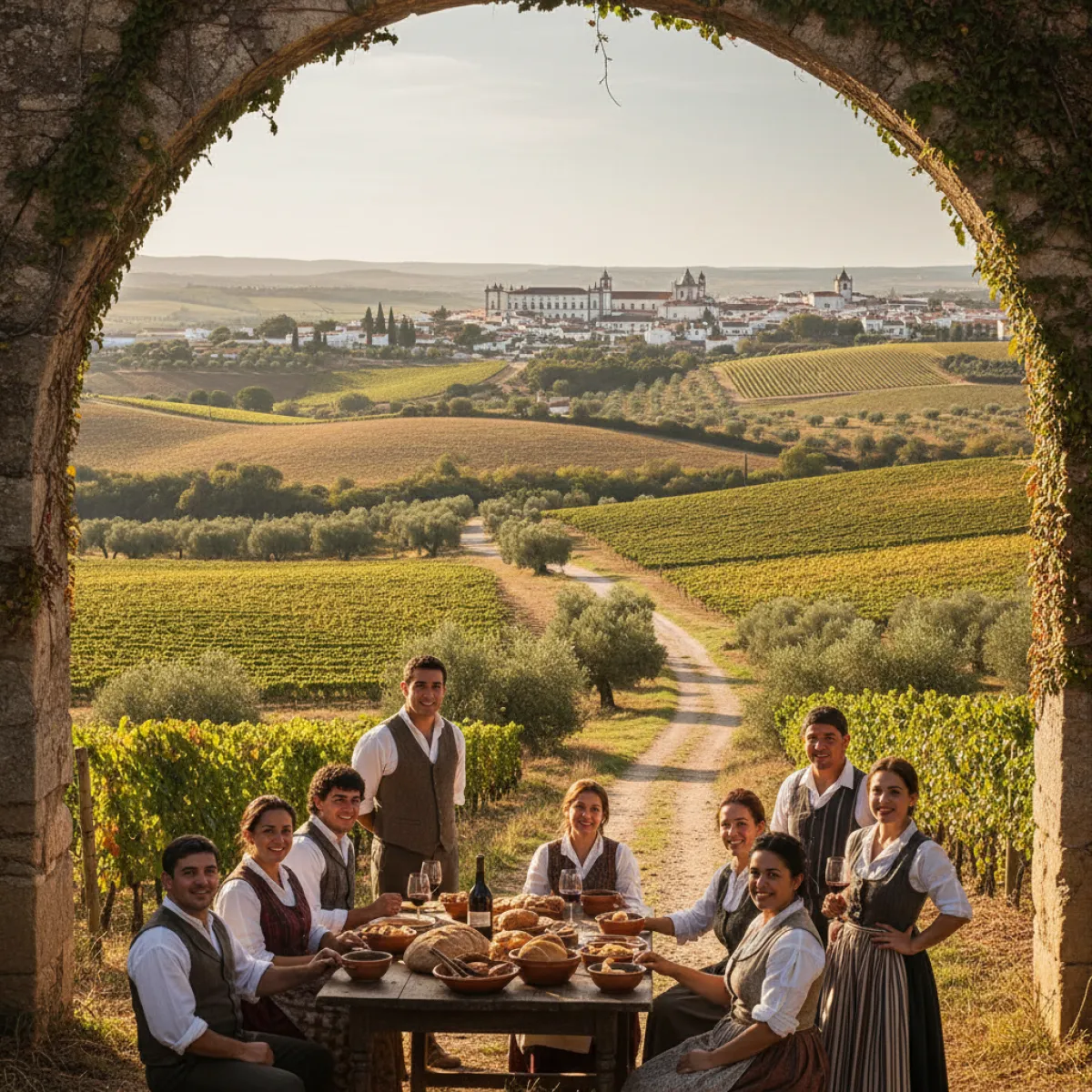
There's a pleasing irony to Vila Viçosa. The town is famous for marble, the streets are marble, the sidewalks are marble, even the park benches are marble. But beneath all that gleaming white stone, what really matters is what grows in the red earth surrounding it: Alentejo vines, producing some of Portugal's finest reds.
Vila Viçosa sits at the heart of the Borba wine sub-region, one of eight sub-regions in the Alentejo. Less than five kilometers away, Borba has cooperative cellars and private estates that welcome visitors without the tourism machinery of the Douro or the Algarve. Here, you can taste a barrel-aged Trincadeira without booking three months ahead or paying 40 euros a head.
Why Vila Viçosa and Not Évora
Évora is lovely, sure. But everyone goes to Évora. The trouble with places everyone visits is that prices climb, restaurants cater to tourist palates, and the experience becomes predictable. Vila Viçosa has the Paço Ducal, one of Portugal's most impressive royal residences, and a fraction of the visitors. That means restaurants serve locals, wines are priced at production cost, and nobody tries to sell you an "authentic" experience because authenticity isn't a product here, it's just Tuesday.
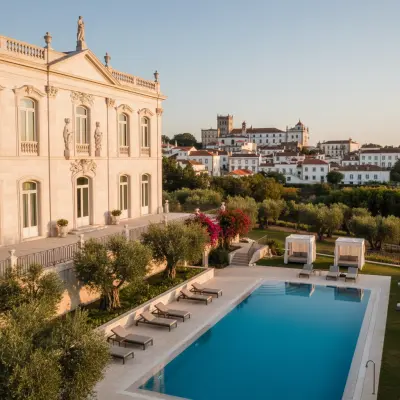
For a comfortable base, Alentejo Marmòris Hotel & Spa is the obvious pick, a hotel that makes good use of the local marble tradition, with a spa and a central location. Good for arriving, dropping the car, and organizing visits on foot or with short drives.
Borba: The Essential First Stop
Borba is less than ten minutes by car from Vila Viçosa and is, officially, one of the capitals of Alentejo wine. The Adega Cooperativa de Borba is one of the largest cooperatives in the Alentejo and one of the most accessible, it sells to the public, offers tastings, and the prices are almost indecent (in the best way). A reserve red for three or four euros a bottle. Taste before you buy, but the value is hard to beat anywhere in Europe.
Beyond the cooperative, the area has private estates that offer visits by appointment. My best advice: ask locally. The town hall in Borba or the tourist office in Vila Viçosa usually have updated lists of producers accepting visits. The offering changes, estates open and close visiting seasons depending on availability, so always confirm before showing up.
What to Taste
The Alentejo is red wine country, and the grapes to know are Trincadeira, Aragonez (called Tinta Roriz in the Douro), and Alicante Bouschet, the latter adapted so well to the Alentejo that many people assume it's a Portuguese variety. Alentejo whites also deserve attention, particularly Antão Vaz and Roupeiro. Don't make the mistake of ignoring the whites, in the Alentejo heat, a fresh, mineral white is often the best lunch companion.
If someone offers you a vinho de talha, say yes. It's the oldest winemaking method in the region, the wine ferments and ages in large clay amphorae, no wood involved. The result is unlike anything you'll find in a wine shop: more rustic, with an earthy texture and a singular character. It's not always the most elegant wine at the table, but it's always the most interesting.
Reguengos de Monsaraz: The Worthwhile Detour
About 30 minutes from Vila Viçosa, Reguengos de Monsaraz is another important wine sub-region. The local cooperative and private producers in the area have been winning international awards with regularity. If you have two days, do Vila Viçosa and Borba on the first, Reguengos on the second. Monsaraz, the medieval village perched on the hilltop, is the visual bonus, but go early morning before the tour buses arrive.
Eating (Well) Between Tastings
You shouldn't taste wine on an empty stomach, or rather, you can, but the afternoon results are predictable. The Alentejo has one of Portugal's most honest regional cuisines. In Vila Viçosa and Borba, look for açorda alentejana (bread soup with coriander, garlic, and a poached egg), migas with pork, and lamb stew. Alentejo black pork is among the best in the world, that's not hyperbole, ask any chef.
For a sense of what Alentejo dining really looks like when tourists aren't the target audience, it's worth exploring what's happening slightly further north. The guide to where locals actually eat in Portalegre gives a good picture of Alto Alentejo's gastronomic standards, many traditions are shared with the Vila Viçosa area.
Practical Logistics
Getting There
Vila Viçosa is roughly two hours from Lisbon via the A6. There's no practical public transport for a wine route, you need a car. If you're tasting seriously, designate a driver or stay in the area and spread tastings across multiple days. Police run regular breath-test checkpoints in the Alentejo, and rightly so.
When to Go
Avoid July and August unless you enjoy tasting wine at 42°C. September and October are ideal, it's harvest season, many estates have special activities, and the Alentejo light in late afternoon is something extraordinary. March through May also works well, with pleasant temperatures and green landscape.
What It Costs
Tastings at cooperatives are generally free or cost between 5 and 10 euros with accompaniments. Private estates with guided tours can run from 10 to 25 euros per person, check locally, as prices vary by season. Wine to buy at the cellars starts at 2-3 euros per bottle and can go up to 20-30 euros for reserves and grand reserves. Compared to the Douro or any French or Italian wine region, it's a bargain.
How Many Days
Two days is the minimum to do the area justice. Three is ideal: one day for Vila Viçosa and the Paço Ducal, one for Borba and the cellars, and one for Reguengos and Monsaraz. If you have more time, consider heading north to Portalegre, it's a different facet of the Alentejo, greener and more mountainous. The honest weekend guide to Portalegre is a solid starting point, and it's worth exploring its neighborhoods on foot to understand how the Alto Alentejo defies expectations.
What Not to Do
Don't visit a cellar just to buy cheap wine. Go to learn. Ask the winemaker what distinguishes an Alicante Bouschet from the left bank of the Guadiana from one grown near Borba. Ask why vinho de talha is making a comeback. Ask which is the oldest vineyard on the property. The people who make wine in the Alentejo love talking about wine, and those conversations are what turn an afternoon of tastings into something that stays with you.
Don't try to do everything in one day. Don't schedule four cellars back to back. Don't ignore the whites. And please, don't buy talha wine at the supermarket and think you know what it is, go to the source.
Vila Viçosa doesn't have the glamour of Bordeaux or the fame of the Douro. It has something better: excellent wines, fair prices, and the quietness of a region that hasn't yet been turned into a tourism product. Go before that changes.