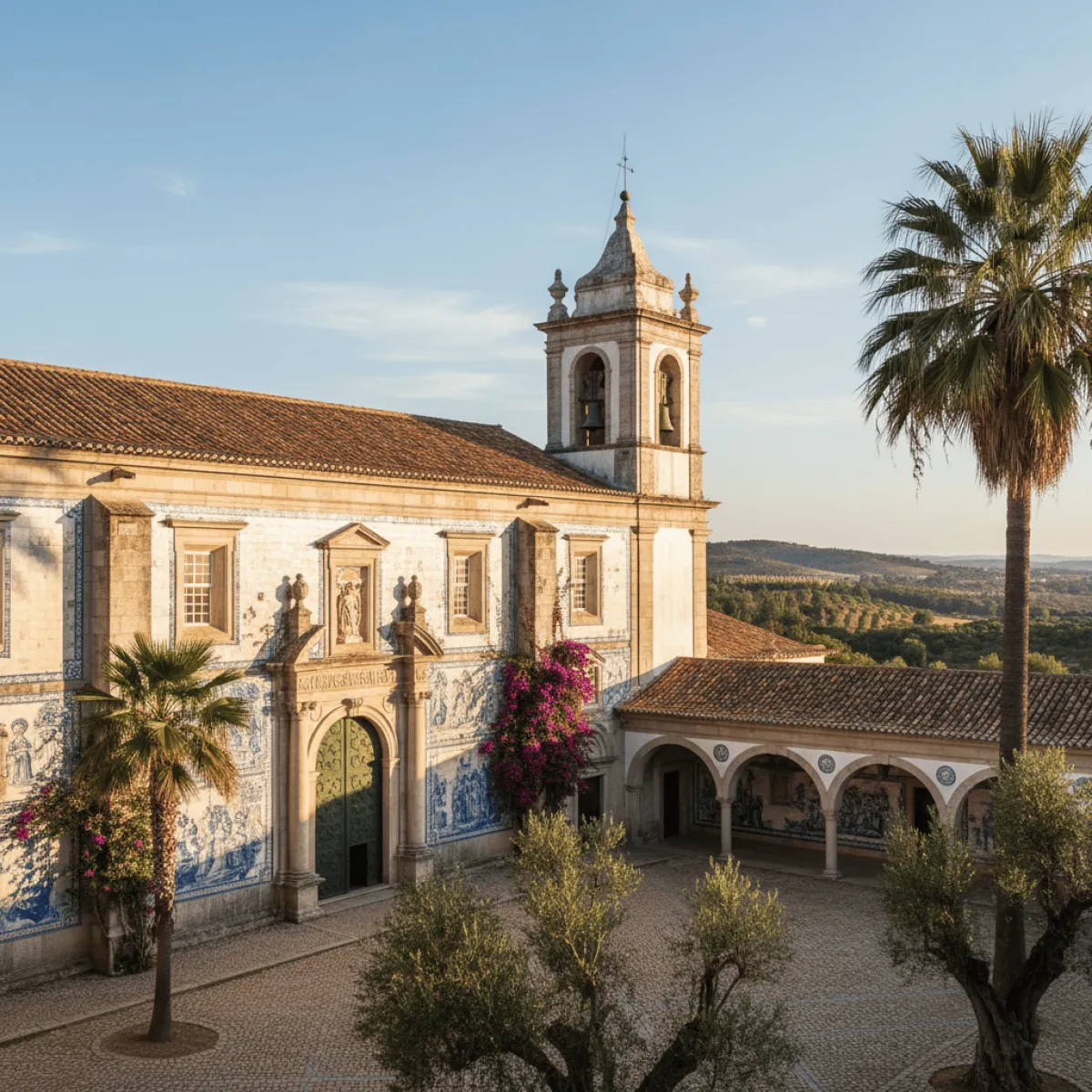
The Convento das Chagas de Cristo sits on Terreiro do Paço, directly facing the Ducal Palace of Vila Viçosa, and that proximity is not coincidence. When D. Jaime, fourth Duke of Braganza, ordered the convent built in the 16th century, he wanted it on his doorstep: a female pantheon for the House of Braganza, a place of prayer and burial for duchesses and infantas. Today it operates as the Pousada Convento de Vila Viçosa, and the building remains one of the better reasons to spend a night in the town rather than day-tripping from Évora.
What still stands
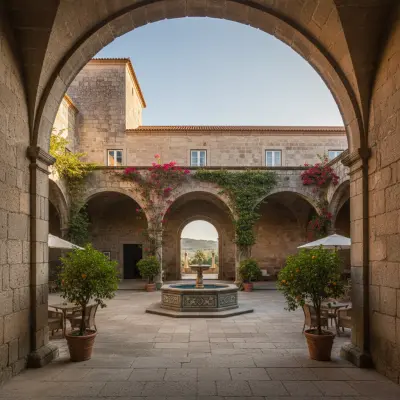
The Renaissance architecture survived the hotel conversion better than you would expect. The central cloister, two storeys of arcaded marble, is the heart of the place and the spot worth claiming for a coffee before dinner. The adjoining church, with the marble tombs of the duchesses in local Estremoz stone, opens to the public on the pousada's own schedule: ask at reception, because hours shift with occupancy and private events.
Marble is the key to understanding Vila Viçosa. This is Portugal's capital of white and pink marble, quarried just a few kilometres from the centre, and the convent uses it without restraint, from thresholds to washbasins. It is not decoration: it is the material this region built its palaces, chapels and public pavements with. If you want to see the quarries and taste the Borba and Alentejo DOC wines, pair the visit with our Vila Viçosa Wine Route guide.
Sleeping in a convent (without playing nun)
The pousada has 36 rooms carved from the former cells. The cells have been enlarged and modernised, naturally: you get a double bed, a private bathroom and air conditioning, but the walls keep their original thickness and the windows stay small. That matters two ways. First, the rooms stay cool through Alentejo summers, when temperatures push past 38ºC. Second, if you are claustrophobic or need a lot of natural light, request a room facing the cloister or the garden. The interior rooms, looking onto the old enclosed quarters, are dead quiet but dim.
Pricing sits in the €€€ band, with low-season nights from around 150 euros and considerably more on bank holidays and spring weekends. Book directly through pousadas.pt or by phone (+351 268 980 742): in peak months like May and October the house fills, and aggregator sites do not always reflect the chain's own promotions.
Eating in the refectory
The restaurant occupies the nuns' old refectory and is probably the best hotel kitchen in town. The menu is Alentejan without being a parody: cação fish soup, lamb ensopado, pork à alentejana with clams, cheeses from Évora and Serpa. The sericaia with Elvas plum is worth the detour. Practical advice: do lunch. The lunch menu is lighter and substantially cheaper than the à la carte dinner, and the light coming into the refectory at midday is cinematic. If you must do dinner, ask for a table by the cloister windows.
If you would rather eat out, there are a handful of decent tascas five minutes away on foot in the old town, but do not expect late dining: in Vila Viçosa, most kitchens shut by 10pm.
Getting there and parking
Vila Viçosa is about 180 km from Lisbon via the A6 (Borba exit), 55 km from Évora and 20 km from Elvas. There is no train: drive, or take a Rede Expressos coach to Estremoz and then a 10-minute taxi. The Terreiro do Paço, where the convent stands, is one of the most imposing squares in Portugal, entirely paved in marble, with the Ducal Palace on one side and the convent on the other. You can park free on the square itself, but on event days or public holidays leave the car at the Avenida Duarte Pacheco lot and walk the 300 metres.
The surrounding neighbourhood is the walled old town, low whitewashed houses and narrow streets. Give a morning to the Castle of Vila Viçosa, on the high ground above the town, before descending to the Terreiro do Paço.
When to go
May and October are the right months: mild temperatures, long days, vines and olive groves in good light. August is too hot to walk the marble square at midday, and prices climb. If you want to time your stay around cultural programming, look at the Ducal Palace concert season or the Renaissance Inspiration Fair, which fills the town with costumed performers and workshops.
Practical notes
- Address: Terreiro do Paço, 7160-251 Vila Viçosa
- Phone: +351 268 980 742
- Booking: essential, especially April through October
- Dress code: casual at lunch, smart casual at dinner (no shorts in the restaurant)
- Payment: cards accepted; Visa and Mastercard standard
- Accessibility: partial. The cloister has level changes and not all rooms are adapted; confirm directly if needed
- Children: welcome, though the atmosphere skews adult rather than family
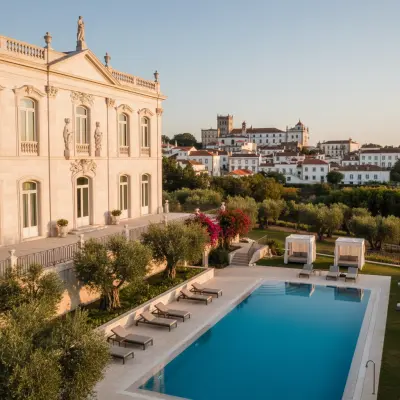
If you would rather a spa hotel outside the old walls, the Alentejo Marmòris Hotel & Spa is the obvious alternative. But if you are coming to Vila Viçosa, come for the convent. Sleeping inside the walls that saw Braganza duchesses born and buried is not an experience you can buy just anywhere. For context on why this town feels different from the rest of touristed Alentejo, read Vila Viçosa Has No Beach. That's the Point.