Visit
€
Hidden Gems of Faro
Faro
722 results
Faro
Lagos
Sintra
Cascais
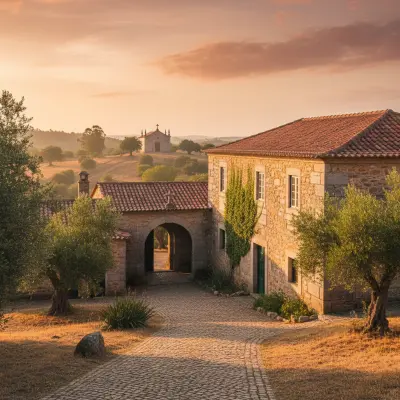
Gouveia
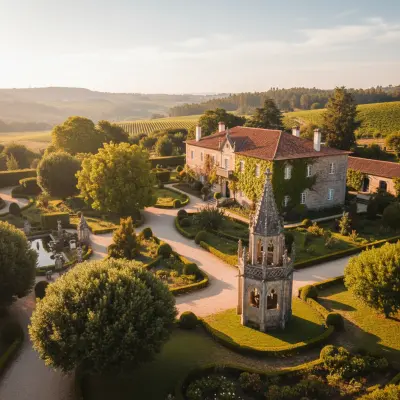
Penafiel
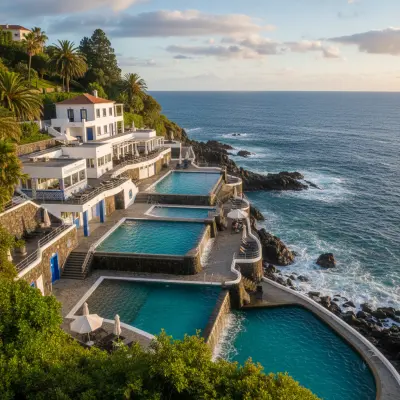
São Vicente
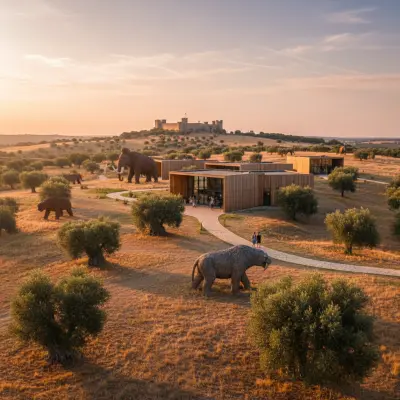
Monsaraz
Monsaraz
Monsaraz
Pinhão
Estremoz
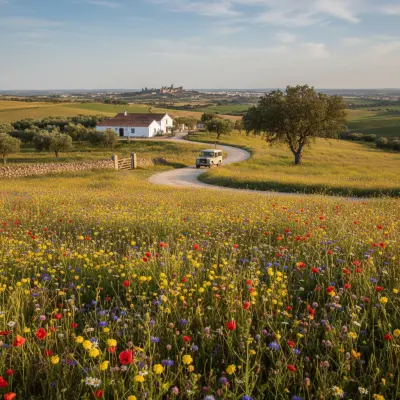
In April, the Alentejo plains become one of Europe's most underrated botanical spectacles, from wild orchids on the N370 roadside embankments to entire fields of poppies near the Alqueva reservoir. Santarém is the ideal base for exploring it all.

Braga's Holy Week is Portugal's largest religious celebration, hooded, barefoot farricocos carry torches through darkened streets in processions dating back centuries. A practical guide covering 2026 dates, where to watch, what to eat, and how to get there.
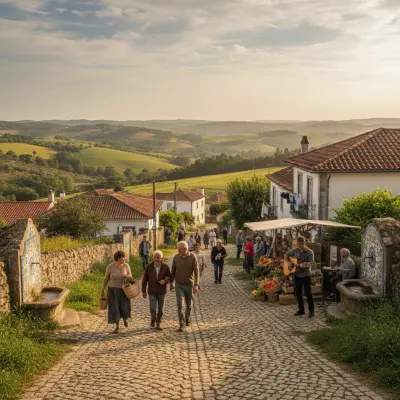
Caldas da Rainha doesn't make the usual hiking lists in Portugal. In April, with deserted cliffs, the Óbidos Lagoon at full capacity, and perfect walking temperatures, that might be just fine, more trail for those who know where to look.
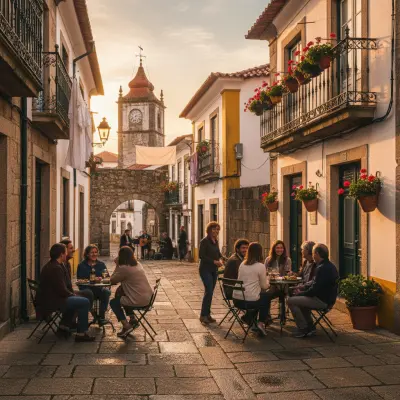
Portalegre has the best museum nobody visits, a mountain range with Iberian lynx and full dinners for €15 with wine. The Alentejo that locals know but never recommend, because nobody asks.
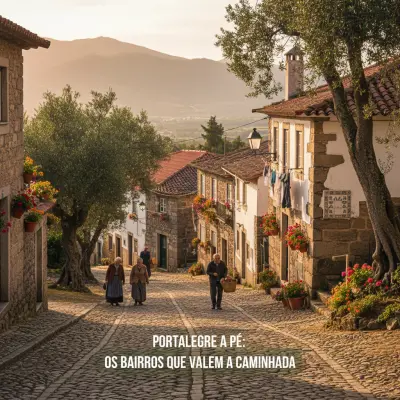
Portalegre has no beach, no airport, and the nearest train stops in Elvas. But it has medieval quarters with traces of the old Jewish community, a tapestry museum that rivals any Lisbon gallery, and old-town tascas where lunch with wine stays under €15.
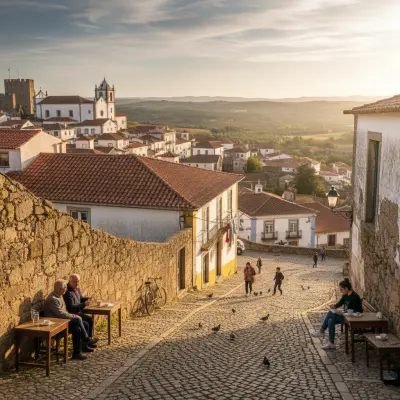
Portalegre doesn't appear on anyone's top ten, and that's exactly the point. The capital of Upper Alentejo has a tapestry museum unlike anything in the world, unfussy Alentejo cooking, and the Serra de São Mamede right next door. A weekend for two for under €250.
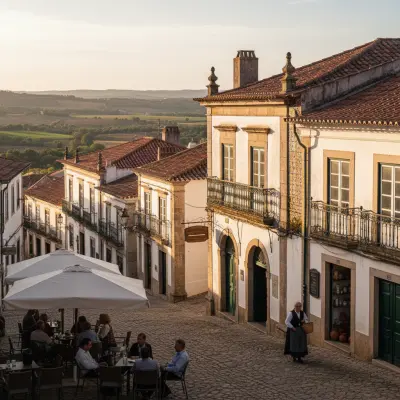
The Guy Fino Tapestry Museum alone justifies the drive to Portalegre, but the city has more to offer, and one museum you can skip without guilt. An honest guide to which collections are worth your time in the Upper Alentejo.
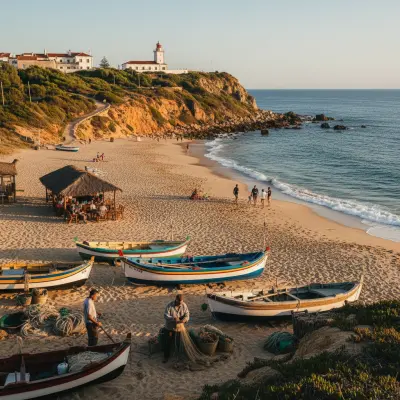
While everyone plans their Algarve pilgrimage, Almada has kilometres of nearly empty coastline from March to June. From Costa da Caparica to the coves of Arrábida, this is the guide for beach days without crowds, and good bars at sunset.
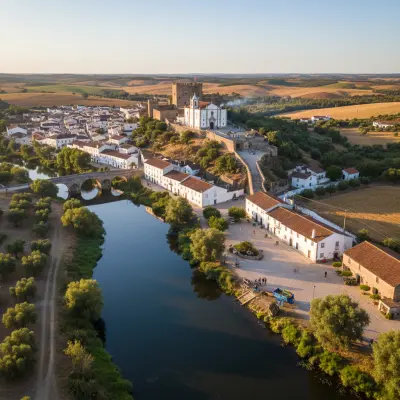
Fifteen minutes from Mértola, an abandoned mine looks like another planet. Forty minutes away, Serpa guards the Alentejo's best cheese. An hour south, you can zipline from Portugal to Spain. Mértola isn't just a destination, it's a launchpad for full days of exploration.
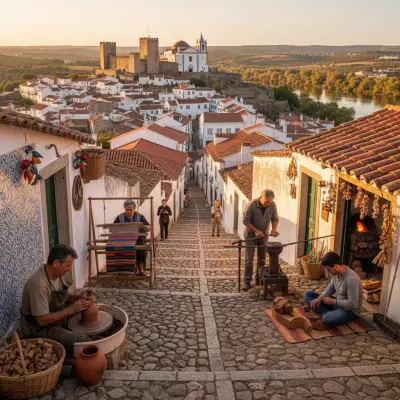
In Mértola, handwoven blankets cost between €80 and €200, and they're worth every cent. In an Alentejo full of generic souvenirs, this museum-village above the Guadiana still produces craft with a thousand years of Islamic influence. Here's what's actually worth bringing home.
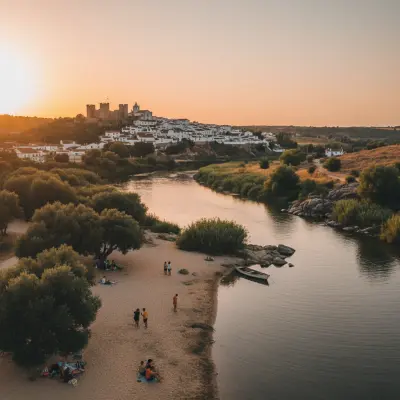
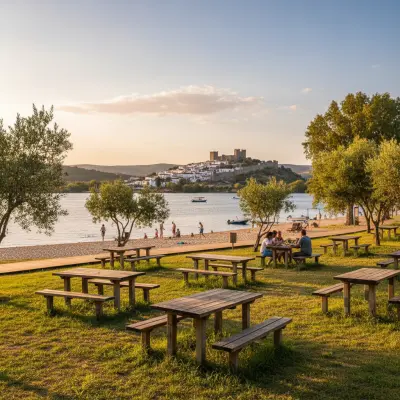
Mértola's river beaches along the Guadiana stay uncrowded even in August. The trick is arriving before 10am, when the river is yours alone, the castle looming above, and not a beach towel in sight.
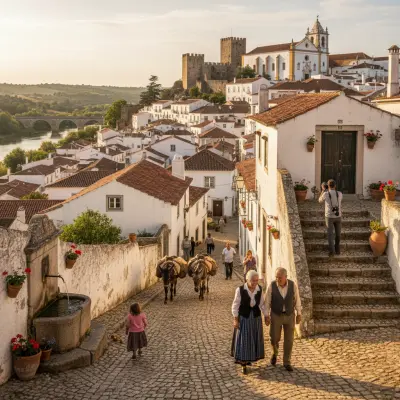
Mértola compresses centuries of Islamic, Roman, and medieval history into a town you can walk in a day, but that deserves two. From the steep lanes by the castle to the Guadiana riverbank, a guide to exploring the Alentejo's museum town at the right pace.