Visit
€
Parque Ecológico de Gouveia
Gouveia
Monte do Calvário serves as Gouveia’s premier vantage point, offering sweeping views of the Serra da Estrela mountains and the Mondego Valley. This site seamlessly blends 18th-century religious heritage with the tranquil beauty of Portugal's high-altitude landscapes.
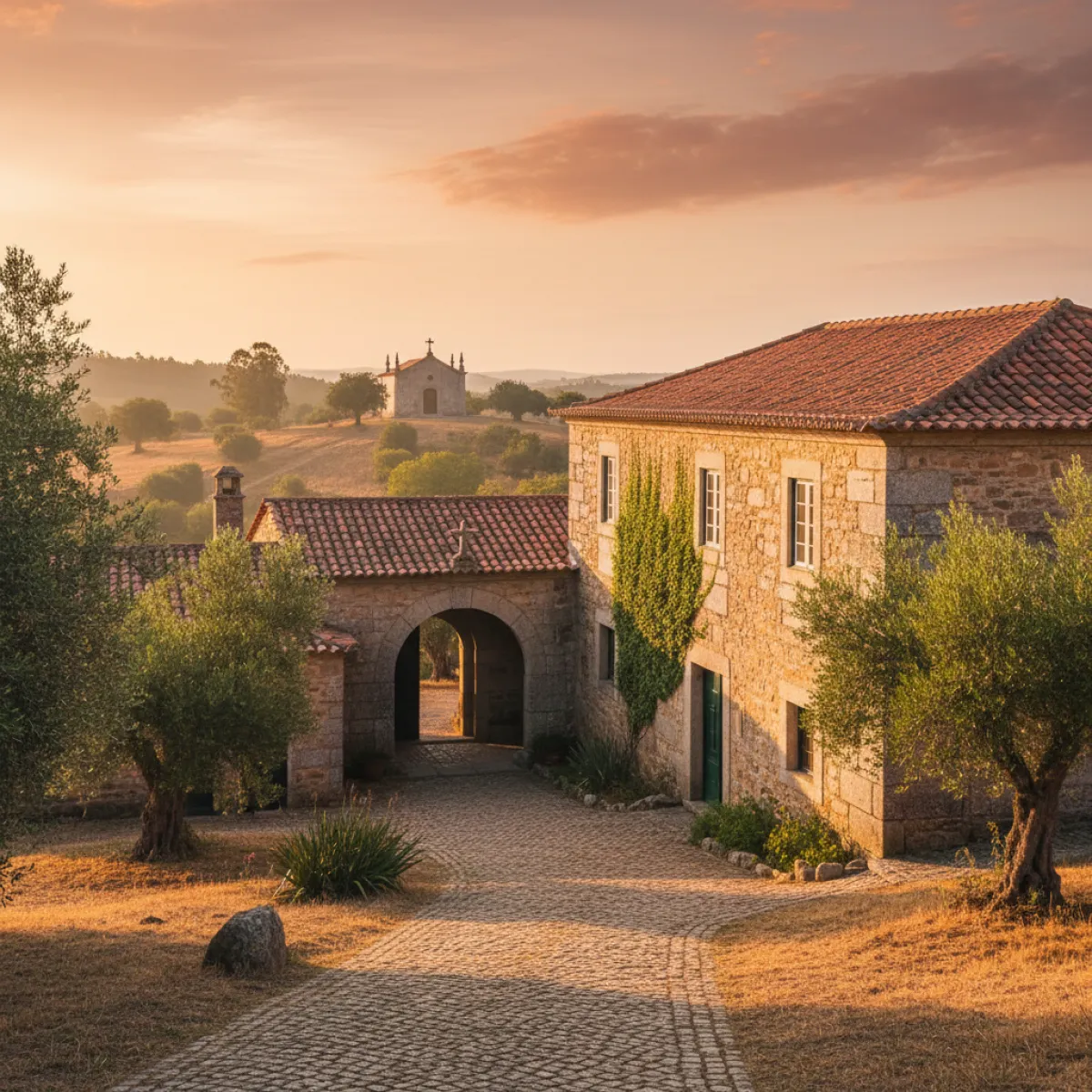
Gouveia, often referred to as the 'Garden City' of Portugal, clings to the western slopes of the Serra da Estrela with a quiet sophistication. To truly grasp the character of this mountain town, one must look upward to its highest urban point: Monte do Calvário. This is more than a simple viewpoint; it is a geographic and emotional landmark where the rugged granite of the mountains meets the whitewashed heritage of the Beira Alta region.
At the summit of this prominent hill stands the Capela do Senhor do Calvário. Built in the 18th century, this chapel is a refined example of regional Baroque architecture. Its facade, crafted from the local gray granite, reflects the austere yet noble spirit of the mountain people. The structure was historically part of a Way of the Cross (Via Sacra), a series of stations that led pilgrims up the slope in an act of devotion and penance.
The interior of the chapel is intimate, providing a cool refuge from the summer heat or a sheltered space during the crisp mountain winters. Even for those not inclined toward religious history, the craftsmanship of the stonework and the harmonious proportions of the building are deeply rewarding. The surrounding courtyard serves as a natural balcony, offering 360-degree views that emphasize the chapel's role as a spiritual lighthouse for the city below.
The primary draw for many visitors to Monte do Calvário is the breathtaking panorama. Looking south and east, the jagged peaks of the Serra da Estrela, Portugal’s highest mountain range, dominate the horizon. In the winter months, these summits are frequently dusted with snow, creating a dramatic contrast against the deep greens of the pine forests. In the spring, the slopes come alive with the yellow of broom and the purple of heather.
Turning toward the north and west, the view opens up over the vast Mondego Valley. On clear days, one can see for dozens of kilometers, tracing the undulating landscape as it rolls toward the heart of Portugal. The city of Gouveia itself unfolds beneath you like a scale model, revealing its intricate network of streets, its red-tiled roofs, and the lush green patches of the Parque da Alagoa. It is the perfect place to orient oneself before exploring the rest of the region.
Reaching the summit is an integral part of the Monte do Calvário experience. Travelers have two primary options, depending on their pace and preference:
Regardless of how you arrive, the transition from the bustling lower town to the silent, wind-swept summit is immediate and profound. The air feels thinner and fresher here, carrying the scent of wild herbs and mountain pine.
To ensure your visit to Monte do Calvário is as seamless as possible, keep the following considerations in mind:
Monte do Calvário is not a place for a hurried checklist. It is a location that demands you pause, breathe, and take in the sheer scale of the Portuguese interior. Whether you come for the history, the spirituality, or the sheer visual drama of the Serra da Estrela, you will leave with a deeper understanding of why Gouveia remains one of the most beloved gateways to the mountains.