Sleep
€€€
Hotel de Guimarães
Guimarães
A 12th-century Augustinian monastery converted into a luxury pousada by architect Fernando Távora, with 51 rooms (22 in former monk's cells), 18th-century azulejo-lined cloisters, and panoramic views over Guimarães. The Dona Mafalda restaurant serves Minho regional cooking in the original monastery cellars.
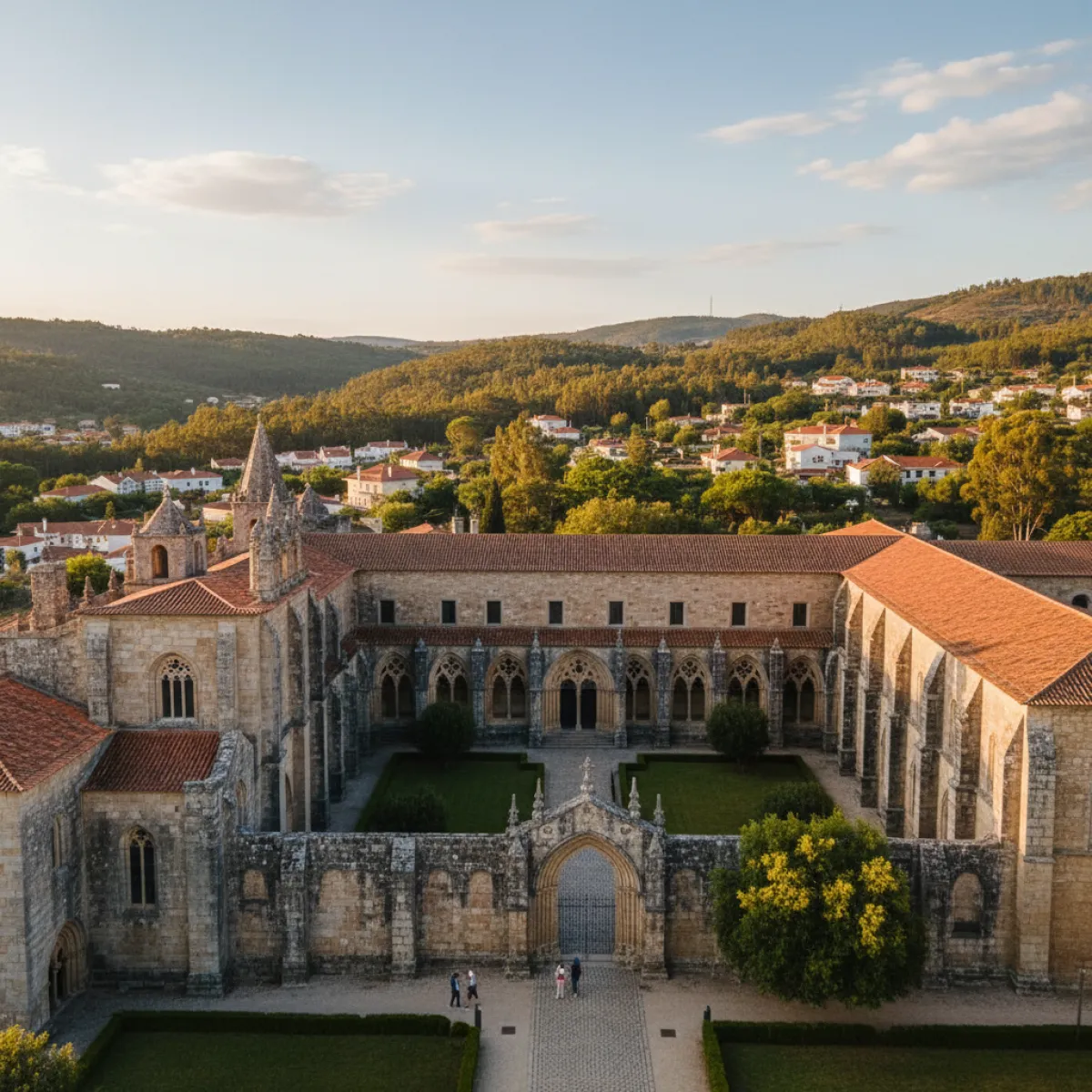
There are hotels with history and there are hotels that are history. Pousada Mosteiro de Guimarães is firmly in the second camp. Set inside the Monastery of Santa Marinha da Costa, on the hilltop slopes of Penha overlooking the city, this is arguably the finest place to sleep in Guimarães, provided your wallet can handle it.
The building dates to the 12th century. In 1154, Queen Mafalda, wife of Portugal's first king Afonso Henriques, handed the monastery over to the Canons Regular of Saint Augustine, dedicating it to Saint Marinha, patron saint of mothers in labour. By the 16th century, the Order of Saint Jerome had taken over and established a school of philosophy and theology, a place where the children of kings came to study. The centuries that followed were less kind: dissolution of the monasteries, private ownership, neglect, and a devastating fire in 1951 that nearly reduced the whole thing to rubble.
What saved it was architect Fernando Távora, one of the towering figures of 20th-century Portuguese architecture. His conversion project, completed in 1985, won the National Architecture Prize and later the Europa Nostra award. Távora did what many attempt and few pull off: he wove modern function into ancient structure without either one losing its nerve.
There are 51 rooms in total, and it pays to understand what you're booking. Twenty-two of them occupy former monastic cells, compact spaces with beautiful austerity, thick walls, and a quality of silence that no modern hotel can fake. Then there are the historic superior rooms, suites, and master suites, which offer more space and better views. All come with the expected modern touches, Wi-Fi, television, minibar, but the real draw is always the architecture: vaulted ceilings, exposed stone, windows that frame Guimarães like a painting.
Ask for a room with a city view. The difference matters.
The pousada's restaurant is named Dona Mafalda, after the queen who started this whole story, and it occupies the old monastery cellars. The space is striking, stone arches, careful lighting, and the kitchen focuses on Minho regional cooking. This is the Minho, so expect well-made bacalhau, roast kid goat, and the region's vinho verde to wash it all down. It's not avant-garde food; it's comfort cooking with serious ingredients in a setting most restaurants would pay a fortune to have.
Book a table, especially for dinner and weekends. The restaurant serves both guests and outside visitors, and it fills up fast.
The monastery grounds cover nine hectares of dense, varied vegetation, with architectural and landscaping features scattered throughout. This isn't a decorative garden, it's closer to a small forest, with water tanks, granite fountains, and corners where you can disappear for an hour without seeing another person. The outdoor pool sits in the area of the old monastery mill, and in summer it's the kind of place where you lose an entire afternoon without guilt.
Even if you don't stay here, the cloisters and the 18th-century azulejo panels are worth seeing. There's a quality of light in the corridors, filtered through the arcades, bouncing off stone, that shifts completely through the day. Early morning, before breakfast, the cloisters are empty and the silence is total. That's the moment to be here.
The pousada is at Largo Domingos Leite de Castro, in the Costa area, on the hilltop above Guimarães' historic centre. By car, it's about five minutes uphill from the centre. Walking is possible but it's a proper climb, fine if you enjoy a hike, less ideal with luggage. A taxi from the centre is straightforward and cheap.
This is a €€€€ property, and the pricing reflects it. It's not the spot for budget travellers, for that, there are solid alternatives in the city. But for a special occasion, an anniversary, a trip you want to remember, it's hard to beat sleeping in a 12th-century monastery with panoramic views over the city where Portugal was born.
For reservations and information: +351 253 511 249 or via the official website. Book well ahead for summer months and during Holy Week, when demand spikes considerably.
One final thing: in the late afternoon, find your way to a terrace or balcony facing the city. Guimarães at sunset from up here is one of those moments when you understand why someone decided, nearly nine centuries ago, to build a monastery on this exact spot. And for exploring the city down below, our guide to Guimarães is a good place to start.