Valença in Bloom: Spring Wildflowers Beyond the Fortress Walls
Forget the linens: in spring, Valença’s fortress is occupied by an army of wildflowers. Discover where the granite yields to the green and where to find the season's best lamprey.
The Valença Misconception
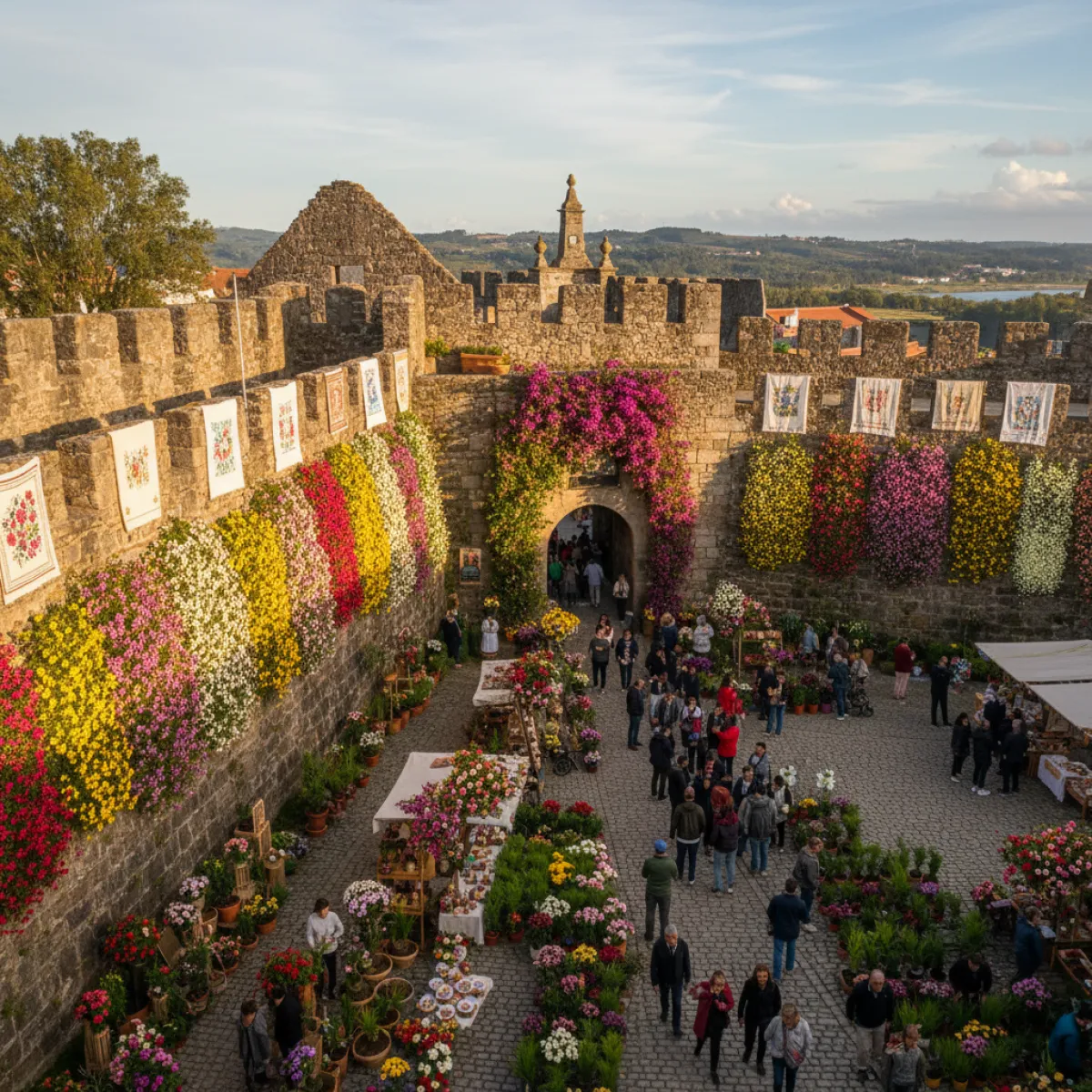
For decades, we’ve sold Valença to the world as the linen closet of the Iberian Peninsula. It’s a historical injustice. If you step off the train on an April morning, what hits you isn’t the scent of fresh cotton, but a blast of pure chlorophyll. The Fortress, that star-shaped war machine, looks like it’s being slowly devoured by an army of wildflowers. Here, between the granite and the Minho River, spring in the Alto Minho reveals its rawest, most vibrant face.
Forget the tour buses clogging the Coroada gate in search of cheap bedsheets. The real Valença in spring requires you to climb the ramparts and look down into the moats. Where Spanish blood was once expected, today you’ll find wild irises, gorse so yellow it looks spray-painted, and poppies stubbornly sprouting from stone crevices. It’s a display of botanical resilience that makes any manicured botanical garden look like a tedious exercise in vanity.
The Green Geometry of the Fortress
Walking the Rua da Cidadela at 7 AM is the only way to feel the weight of history without the commercial noise. The sound of boots on cobblestones echoes in a way that in winter, as we describe in the fog and the feast: why Ponte de Lima is Portugal’s most evocative winter escape, would be muffled by heavy humidity. Here, the air is crisp. Valença’s fortress is a perfect Vauban system, but in spring, its military lines are softened by a blanket of clover and tiny white flowers the locals call 'pão-e-leite' (bread and milk).
I strongly recommend avoiding the temptation to stay only within the souvenir shops of Praça da República. Head toward the North Wall. From there, the view across the Minho River to the Galician city of Tui is interrupted only by the electric green of the riverbanks. At this time of year, the riverbanks are a zone of transition where deciduous trees are at that exact point between budding and full canopy. It’s a gradient of greens that no camera can faithfully capture.
The Ecovia and the River's Pulse
If you have the legs for it, descend from the fortress and find the Ecovia do Rio Minho. While in other places the focus is on family leisure, as seen in the slow rhythm of Ponte de Lima: a family guide to Portugal’s oldest village, in Valença, the Ecovia has a certain fluvial melancholy that invites introspection. The fields around the Ganfei parish are currently covered in rapeseed, creating yellow vistas so intense they almost hurt the eyes. It’s the Alentejo of the North, if you will, but with far more water and a light that caresses rather than burns.
Along the way, notice the dry-stone walls. They are habitats for tiny ferns and wild orchids that escape the hurried gaze. Valença doesn’t reveal itself to those who come only to buy; it reveals itself to those willing to get their boots muddy on the riverbanks, where fishermen still cast nets for the last lamprey of the season.
The Lamprey Ritual and Bacalhau à São Teotónio
Discussing Valença in spring without mentioning gastronomy is an amateur mistake. We are in the height of the lamprey season. Look past the prehistoric appearance of the creature; what matters is the *arroz de cabidela*, rich, dark, and deeply infused with red wine. If lamprey is too adventurous for your palate, the *Bacalhau à São Teotónio* is the mandatory alternative. Served flaked with onions and punched potatoes (*batatas a murro*), it honors the city’s patron saint who, legend says, was born within these walls.
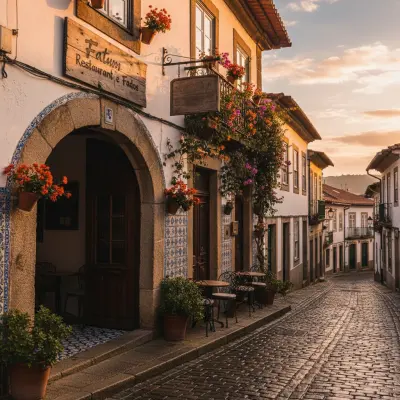
For dinner, there’s a place that breaks from the predictable rustic mold of the Minho. Fatum - Restaurante e Fados offers an experience that elevates dining to a moment of restraint and elegance. It’s the perfect counterpoint to the wild exuberance of the flowers outside. Here, fado isn’t a tourist gimmick; it’s felt deeply in a space that respects granite acoustics and local memory. Order a regional Alvarinho, look for producers from Monção and Melgaço who deliver their best here, and let the night linger.
Craft and Identity
While Valença is famous for textiles, the true craft spirit of the Minho is found in how the earth is shaped. If you have time for a detour, the legacy of the living craft of Minho: a deep dive into the pottery of Barcelos makes its influence felt here through the utilitarian ceramic forms still found in local markets. It’s a grounded connection to the land that spring only accentuates, as the clay is more pliable and the cycle of life restarts.
Practical Guide for the Deliberate Traveler
- When to go: April and May are the golden months. Temperatures range from 18-22°C (64-72°F), ideal for walking.
- How to get there: The Celta train (Porto-Vigo) is the most romantic route. The station is a 10-minute walk from the fortress. By car, the A3 highway drops you at the gate, but parking inside the fortress is a nerve-wracking test; park outside.
- What to bring: Shoes with good traction. The granite ramparts become slippery with morning dew.
- Costs: A lamprey lunch at a top restaurant will cost between €35 and €50 per person. A coffee in the main square is about €0.80.
Valença in spring is a lesson in botany applied to military architecture. It’s proof that even the hardest stone yields to the persistence of a wildflower. Don’t come for the towels; come for the way color invades the gray and how the Minho River seems to run with a renewed urgency toward the sea. It is, without a doubt, the most honest moment for this border city.