Valença at the Table: Minho Dishes and Where to Eat Them
Bacalhau à Minhota, sarrabulho rice with rojões, and lamprey in season: what to order, where to sit, and which tourist menus to skip inside the walls of Valença. An honest guide, no fluff.
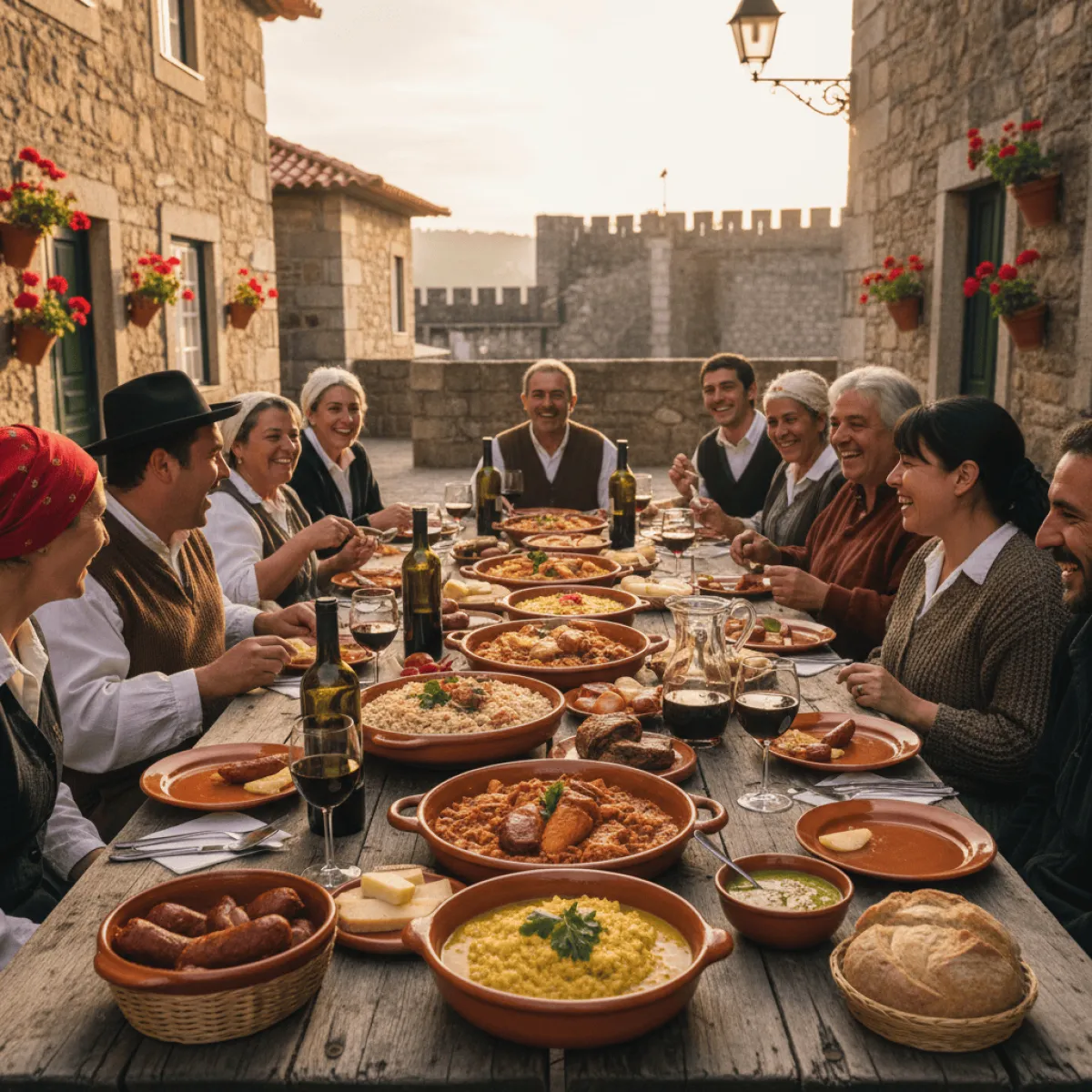
Valença isn't a city you eat in a hurry. It's glued to the Spanish border, with the Minho river acting as a natural moat and Tui sitting right across the water, and that explains half of what ends up on the plate. The other half is geography: Alvarinho vines climbing the slopes, vegetable gardens that survive the winter, lampreys swimming up the river when the rest of the country has forgotten that migratory fish exist. Eating in Valença is, essentially, eating concentrated Minho cuisine inside one square kilometre of fortress walls.
This guide isn't exhaustive. It's what I'd order if I had a weekend and wanted to leave knowing what people actually eat here, without falling into the tourist menus that serve the same lukewarm bacalhau to Galician coach parties.
What Valença food actually is
First thing to understand: Valença shares its cuisine with the rest of the Alto Minho, but there are three or four things it does with particular seriousness. Bacalhau à Minhota, arroz de sarrabulho with rojões, cabrito (kid goat) roasted in a wood oven, and, in season, lamprey. Add to that the bread (dense, thick-crusted, made for soaking up sauce) and the convent sweets that survived the disappearance of the actual convents.
The rest, meaning octopus à lagareiro, francesinha, bifanas, exists and is fine. But if you crossed the border to eat Valença food, ignore that section of the menu.
Bacalhau à Minhota: the restaurant test
This is the dish that separates serious kitchens from kitchens that exist only to feed coach tours. A loin of salt cod, soaked properly (36 to 48 hours depending on thickness, not 24, that's a myth), dredged in flour, fried in hot olive oil, served with crisp fried onions on top and smashed potatoes on the side. When it's done right, the cod flakes in wide layers and the onion still has a bite, not stewed in sauce.
If you see bacalhau à Minhota arrive with soft onions in tomato sauce, change tables. That isn't it.
Arroz de sarrabulho with rojões: the meal that ends your afternoon
This is what you order at a winter Saturday lunch, knowing the afternoon is already gone. The rice is cooked with pork blood and spices (cumin, cloves, mint) until it goes dark and deep; the rojões, cubes of pork loin fried in their own fat with white wine and garlic, come on the side with breaded tripe, salpicão sausage and a wedge of lemon. It isn't a light meal. It isn't pretending to be.
Drink it with red Vinho Verde, yes, red, even if it hurts to look at. It's the right pairing: the acidity cuts the fat in a way no floral white can.
Lamprey: the ingredient that defines the calendar
From January to April, sometimes into early May, lampreys swim up the Minho river and into menus. It's a primitive fish, jawless, eel-shaped but older than dinosaurs. It tastes of fish, of liver, and of something nothing else tastes like. It's cooked into rice (arroz de lampreia, dark, with its own blood) or à bordalesa (in red wine with leeks).
A warning: it isn't for everyone. If you've never had it, order a half portion to share before committing to a full plate. If you liked it, come back in February next year, that's peak. In June there's no fresh lamprey in Valença, and anyone serving it will tell you it's frozen (which is honest, but it isn't the same thing).
Where to sit down
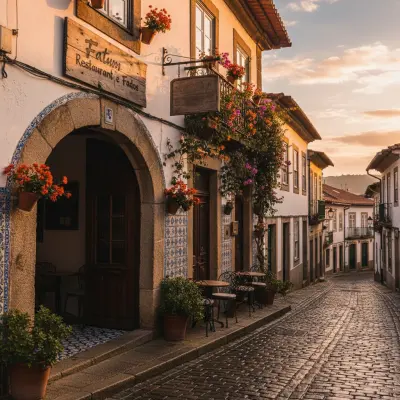
Inside the fortress, the offer splits between places that live off Spanish tourist traffic and two or three that cook for residents. For a meal with music, Fatum, Restaurante e Fados is the safe bet for a dinner where you want to leave feeling you did more than just eat. Check whether there's fado the night you go (not every night), and book ahead. The menu leans traditional, with bacalhau and Minho meats as the backbone, and the kitchen keeps both feet planted in regional dishes rather than trying to invent Asian fusion.
For Sunday lunch, the rule is the same as everywhere in the Minho: arrive before 1pm or accept a wait. Locals eat around that time, and after 1.30 the dining rooms fill up.
What to order, what to skip
- Order: bacalhau à Minhota, arroz de sarrabulho with rojões, roast cabrito (if it's on the daily board), lamprey in season.
- Consider: caldo verde as a starter (thin Galician kale soup with chouriço, around two euros, the cheapest way to test a kitchen).
- Skip: francesinha (it exists, but Porto is an hour away, go there), octopus à lagareiro (fine, but not characteristic), elaborate salads (you didn't come here for that).
The wine: Alvarinho, Alvarinho, Alvarinho
Eight kilometres away, in Monção and Melgaço, sits the sub-region for Alvarinho, the most serious white in the Vinho Verde family. Don't confuse it: the touristy Vinho Verde in green bottles with bubbles is one thing; producer Alvarinho is something else entirely, more mineral, more body, capable of ageing five to seven years. Any decent menu in Valença carries three or four Alvarinhos. Order by producer name, not by house brand, and if the place doesn't have one, that already tells you something.
For red, ask for local red Vinho Verde. It's dark, acidic, low in alcohol, and it's what you drink with sarrabulho and with lamprey. It isn't wine to impress with, it's wine to drink with Minho food. It has a job, and it does it.
Bread, sweets, and the part you take home
Valença bread is dense, thick-crusted, wood-oven baked when you're lucky. It isn't fine dining bread, it's bread for mopping up cod sauce or eating with cured ham. If you walk past a bakery in the morning and smell wood smoke, go in. Pay by the loaf, take a whole one even if there are only two of you. It keeps three days.
As for sweets, the Minho has a convent tradition that survived even though the convents themselves all closed in the 19th century. Look for roscas, olive oil biscuits, doce de chila (pumpkin jam) and gemada when it appears. Don't confuse it with modern French pastry, which exists everywhere. What matters here is the older, sugar-and-egg-yolk-and-almond stuff in proportions that look absurd today.
The rhythm of the day: how to organise a food visit
Valença isn't a city of long dinners followed by bars until 3am. The rhythm is different. A well-organised day looks roughly like this:
Morning
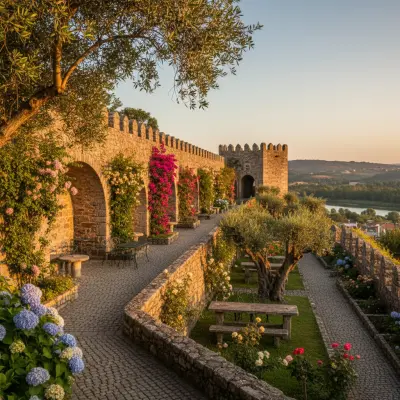
Breakfast at a local café, coffee with milk and toast with butter, around two euros. Climb up to the fortress around 10am, before the coaches arrive. The Fortress Gardens are the natural starting point, with a direct view over the river and across to Tui. Allow an hour.
If you want to actually understand what you're looking at, the guided fortress walk is worth the time. The walls are complex, with revelins, bastions and 17th century military architecture that makes more sense with someone explaining than alone with a leaflet.
Lunch
Around 12.45, sit down. Sarrabulho with rojões if it's a Saturday and your afternoon is free, bacalhau à Minhota if you still want to do something afterwards. Red Vinho Verde, water, espresso. Expect 18 to 28 euros per person at a decent place, no extravagance.
Afternoon
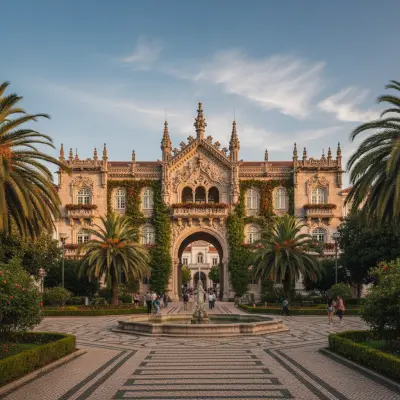
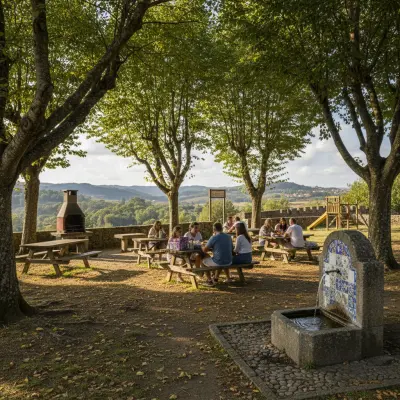
Walk it off. The Municipal Garden, just outside the walls, is where locals go after lunch, with shaded benches and slow pace. For a longer pause, with views and no crowds, the Senhora da Cabeça picnic park offers tables, shade and a quiet you can't find inside the walls.
Dinner
Lighter than lunch, ideally. Soup, grilled fish, salad. Or, if it's a fado night, a bigger dinner at Fatum and call it a day. People in Valença don't eat dinner at 10pm. Around 8.30 is normal, and many places close kitchens by 11.
Market, cheese, and what to take home
Valença has a municipal market and the famous Wednesday and Friday market by the fortress, the latter aimed mostly at Galicians who cross the border for towels and second-hand clothes. For real food, go to the municipal market, not the towel one. Look for:
- Cured ham from the region, sliced thin. Compare before buying, the quality range is wide.
- Salpicão and alheira, both from the Minho or Trás-os-Montes (Mirandela alheira is the benchmark, but there are decent local producers).
- Buttery cheese and aged goat cheeses. Minho cheese doesn't have the fame of Serra cheese, but there are good surprises from small producers.
- Local honey, pumpkin jam, tomato compote.
Getting there and around
Valença is on the A3 motorway, an hour from Porto. By train, the Minho line runs between Porto and Valença, but it's slower and the timetable isn't generous. Inside the city, you walk. The historic centre is all inside the walls and you can't comfortably drive in there. There are car parks around the perimeter, some paid, some free further out.
If you're putting together a wider Minho itinerary and want to combine Valença with other towns, Barcelos pairs well for market and ceramics, and Ponte de Lima for alheira and the river. Travelling with children, it's worth checking the honest family guide to Barcelos first; and if your trip coincides with May, the Festa das Cruzes in Barcelos shifts the rhythm of the whole region. To start the morning at a decent café rather than a chain, the Barcelos café-by-café guide helps.
What to take away
Eating in Valença is an exercise in patience and common sense. Don't try to taste everything in a weekend, pick three dishes and do them well. If you're here from January to April, put lamprey on the table and the rest will follow. If you're here in summer, focus on bacalhau, cabrito and the wines. At any time of year, sarrabulho with rojões is the meal that will reorganise the rest of your day, and that, ideally, is the point.
The final rule: trust the places that fill up at lunch with locals and are half empty at dinner. In Valença, that's a sign the kitchen cooks for residents, not for people just passing through the border.