The Earth's Pulse: River Rhythms and the Melancholy of Odemira
Discover the sonic soul of Odemira, where the viola campaniça and Canto Alentejano meet the serene rhythm of the Mira River. A deep dive into the culture and landscapes of the coastal Alentejo.
The Geography of Silence and the Southern Sound
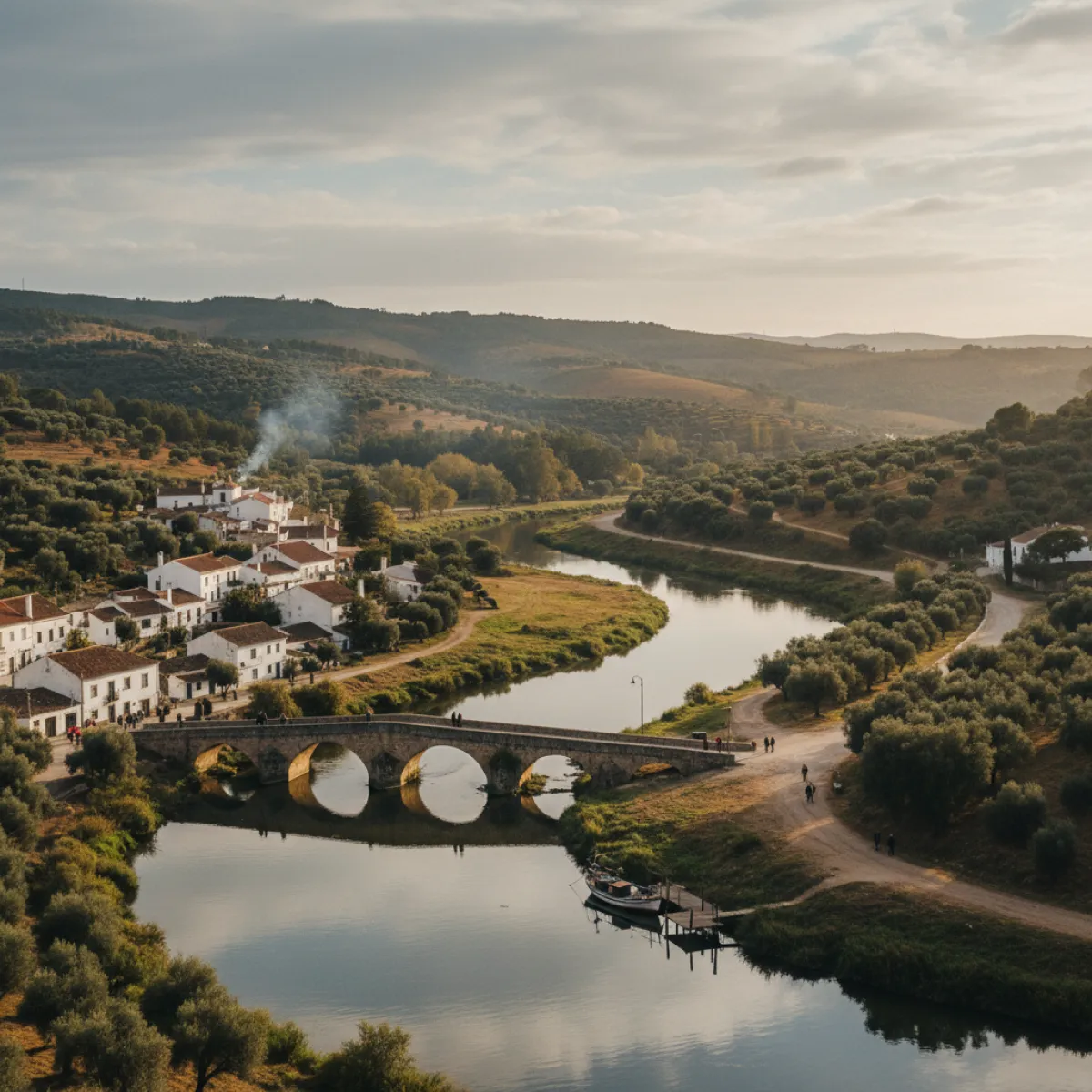
There is a poetic starkness to the Alentejo that refuses to be tamed by mass tourism. In Odemira, this resistance manifests through a unique soundscape, where the wind rustling through the reed beds of the Mira River dictates the pace of an existence that remains oblivious to the chronological urgency of global metropolises. Here, music is not mere stage entertainment; it is an extension of the local geology, an echo from the riverbanks and the shale cliffs that fortify the coast. To understand Odemira’s soul, one must relinquish haste and allow the ear to adjust to the frequency of still waters and the rustic strumming of the viola campaniça.
Odemira does not reveal itself at first glance. It is a territory of contrasts, where the vast interior plains meet the Atlantic with a controlled violence. This duality defines the region's musical identity. While Lisbon’s Fado is urban and cosmopolitan, in the Lower Alentejo, it merges with 'Canto Alentejano,' gaining a telluric gravity that resonates within whitewashed tavern walls. It is not just about technique, but a resonance that seems to emanate directly from the soil itself.
The Mira River as a Metronome
The Mira River is the pulsing heart of this ecosystem. Unlike other Portuguese rivers transformed into aquatic highways, the Mira retains a nearly pre-industrial purity. Navigating its waters is an exercise in active meditation. By engaging in The Slow Flow: Navigating the Mira River's Hidden Estuary in Odemira, visitors realize that the true luxury here is silence. The slap of water against the hull and the call of wading birds form a minimalist composition that no studio could replicate. In this aquatic isolation, the notion of time dissolves, fostering a profound connection with the surroundings.
This riverside stillness is vital for local artistic creation. Numerous musicians and artisans have chosen the Mira's banks for their workshops, drawn by the valley's natural acoustics. On autumn afternoons, as mist rises over the estuary, the light takes on a cinematic quality that has long attracted photographers. For those looking to capture this harmony between light and sound, The Blue Hour: A Photographer's Guide to the Mira Estuary provides a technical yet sensitive perspective on documenting the ephemerality of a landscape where music seems to translate into shades of indigo and grey.
The Viola Campaniça and the Plains' Song
In Odemira’s hinterland, musical traditions are kept alive by hands calloused by agricultural labor. The viola campaniça, with its narrow body and twelve steel strings, is the quintessential instrument of this land. Traditionally used to accompany 'despiques' (singing duels) and 'balhos' (dances), the campaniça has a bright, metallic chime that cuts through the heat of Alentejo afternoons. Listening to a master of the campaniça in a local tavern, while sharing a plate of sheep's cheese and a carafe of regional red wine, is an experience that transcends mere folklore.
Canto Alentejano, recognized by UNESCO as Intangible Cultural Heritage of Humanity, also maintains a powerful presence in Odemira’s parishes. Here, the choir of male and female voices operates as a single living organism. The lyrics speak of the land, labor, distance, and invariably, 'saudade', that uniquely Portuguese sentiment that is hard to define but easy to feel when voices rise in unison under the wooden rafters of a local community center. It is a music of resistance, having survived geographical and social isolation through oral tradition.
Coastal Resonance: Zambujeira and Porto Covo
As you move toward the coast, the soundscape shifts. The river's whisper gives way to the ocean’s roar. In Zambujeira do Mar, vernacular architecture and geology merge seamlessly. The guide Zambujeira do Mar: The Architecture of Slate and Salt explores how local construction utilizes natural resources to withstand the elements, creating living spaces that seem to sprout from the cliffs themselves. This architectural solidity is mirrored in the music heard during summer festivals and informal busking sessions that bring new sounds to this fishing village during warmer months.
Slightly further north, in Porto Covo, life follows a cadence set by the tides. For those seeking authenticity beyond the glossy postcards, Beyond the Postcard: Authentic Coastal Life in Porto Covo's Fishermen's Quarter reveals the corners where fishermen still hum ancient songs while mending nets. These are simple melodies, marked by the rhythm of manual labor and the uncertainty of the sea, offering an honest glimpse into Portuguese maritime culture. It is at this intersection of the rural plains and the harsh sea that Odemira defines its unique musical character.
Practical Guide: How to Hear and Taste Odemira
What to Order and Where to Eat
Odemira’s gastronomy is inseparable from its musical culture. In Odemira town, visit Tasquinha do Largo to sample 'migas' with 'carne de alguidar' (marinated pork) or lamb stew. These rich, substantial dishes are the perfect accompaniment to a night of traditional music. In Zambujeira do Mar, focus on fresh fish and 'percebes' (gooseneck barnacles), which should be enjoyed with the sound of the waves as your soundtrack. A mid-range budget for a high-quality meal with regional wine falls between €30 and €50 per person.
When to Go and How to Get Around
Spring (April to June) and early autumn (September to October) are the ideal visiting times. Temperatures are mild, the light is exceptional for photography, and the cultural calendar feels more authentic, away from the August crowds. To truly explore Odemira, a rental car is essential, preferably a robust model that can handle the unpaved backroads leading to the best viewpoints over the Mira.
Budget and Logistics
For a three-to-four-day stay, plan for a budget of €130 to €190 per day, including accommodation in a high-quality rural tourism estate, meals, and guided experiences. Odemira is not a budget destination if you seek quality and exclusivity, but the value in terms of authenticity and tranquility is immense. Book your experiences, particularly river trips, at least two weeks in advance, as local operators favor small groups to maintain a low environmental impact.
Conclusion: The Melody of Permanence
Visiting Odemira is an exercise in listening. In a world saturated with digital noise, this corner of the Alentejo offers a sanctuary where music and silence coexist in harmony. Whether through the steel strings of the viola campaniça, the polyphonic voices of Canto Alentejano, or the unhurried flow of the river, Odemira reminds us that beauty lies in permanence and the truth of simple things. It is a destination for travelers who do not just wish to see, but to resonate with the place they inhabit.
