The Blood and the River: A Lamprey Pilgrimage to Monção
Discover the ancient ritual of lamprey season in Monção, where history and the Minho River converge in a unique gastronomic experience. A guide to tasting the 'Queen of the River' with the sophistication and depth it deserves.
The Prehistoric Beast on the Table
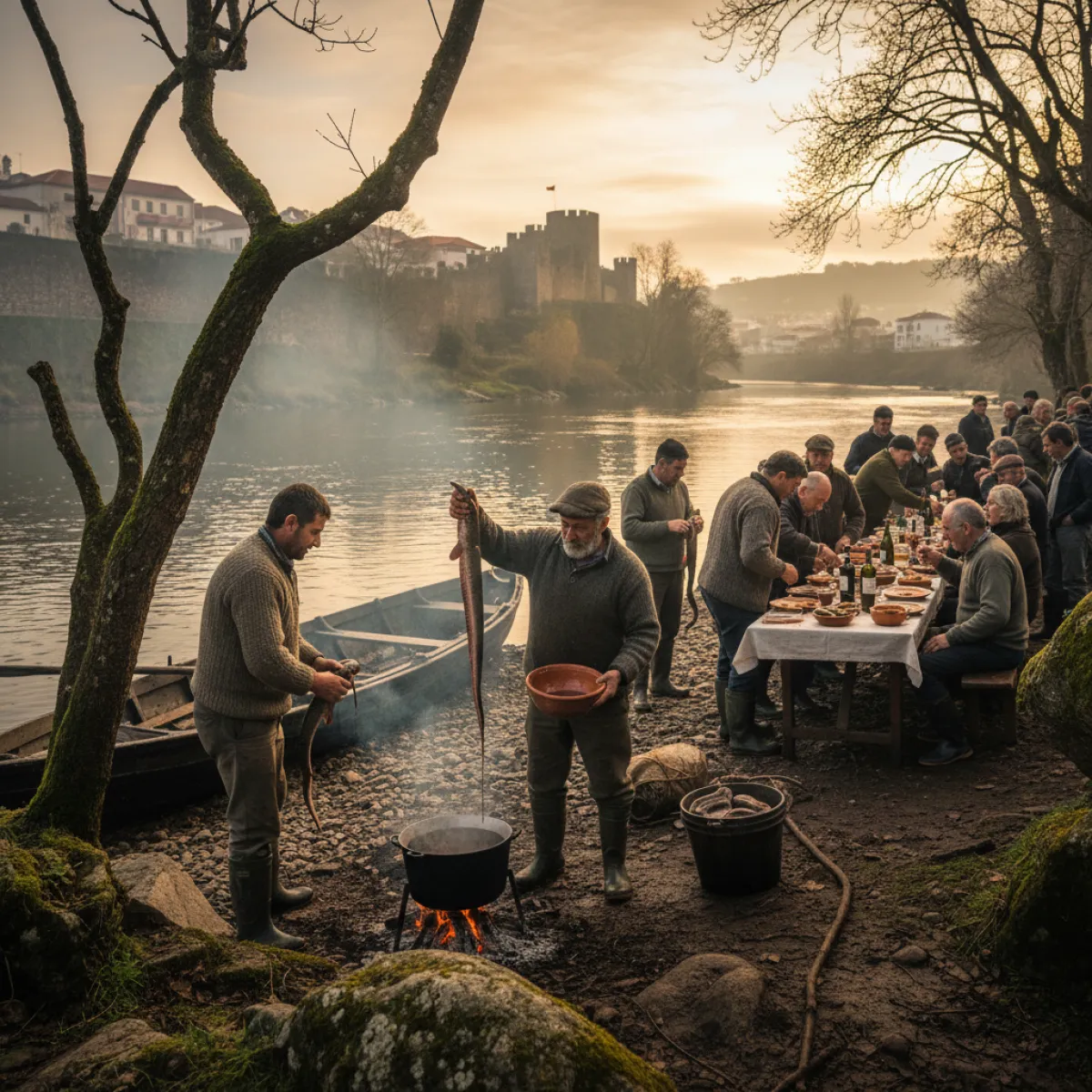
There is something profoundly archaic, almost visceral, about traveling to the deep Minho region between January and April. One does not come for the sweetness of spring, which is late to arrive here, nor for the Atlantic beaches. One comes for a fish, or rather, a cyclostome vertebrate, that has inhabited the Earth for over 360 million years. The lamprey, the 'Queen of the River,' is a creature that defies modern aesthetics, but in Monção, it finds its greatest altar. To the uninitiated, the sight of a lamprey can be disconcerting; to the gastronome, it is the signal that winter is fulfilling its noblest purpose.
Monção, strategically perched over the Minho River, lives this cycle with an intensity not found elsewhere. Here, lamprey is not just a menu item; it is a temporal marker, a social event, and a test of the mastery of cooks who have inherited recipes where error has no place. Unlike what occurs in The Fog and the Feast: Why Ponte de Lima is Portugal’s Most Evocative Winter Escape, where pork and sarrabulho stews dominate the thermal narrative, in Monção the focus is on the cold water and strong currents that bring this fish back to its birthplace.
Technique and Temperament: The Bordalesa Challenge
Preparing lamprey is a process that requires cold blood, literally. The most canonical method is 'Lampreia à Bordalesa' (Bordeaux style). The fish must be scalded with surgical precision to remove the slime and outer skin, but the secret to the sauce's velvety texture lies in the use of the blood, mixed with a red wine of the Vinhão variety. Vinhão, dark as night and with a biting acidity, is the only wine capable of taming the fat and the metallic, almost earthy flavor of the lamprey.
In Monção's historic restaurants, such as Cabral or Sete Chaves, the silence that falls when the clay pot arrives at the table is telling. The lamprey is served with slices of fried bread, which soak up the dense sauce, and sometimes accompanied by rice cooked in its own blood. It is a heavy meal, both intellectual and physical. It is not for everyone, and Monção takes pride in that. If your palate demands consensus and predictable textures, the lamprey will be a challenge. If you seek the soul of a territory condensed into a dish, there is nothing like it.
A Refined Base in Monção
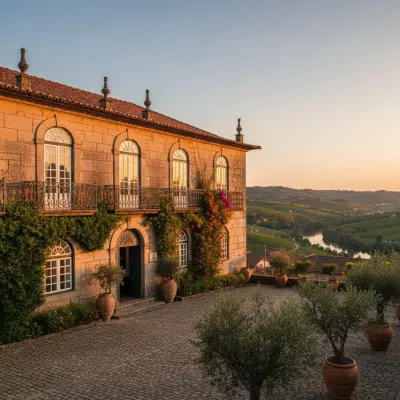
For those who decide to dedicate a weekend to this exploration, the choice of accommodation should reflect the spirit of the region: sober, historic, and deeply connected to the land. Paço Alojamento Local provides this necessary base, allowing the traveler to stay within steps of the fortress walls and the main gastronomic centers without losing the connection to the peaceful atmosphere that defines the borderlands of Minho.
Staying in Monção's historic center also allows you to explore the duality of the territory. On one side, the river provides sustenance and dictates the rhythm of the catch; on the other, the Alvarinho vineyards cover the slopes of Melgaço and Monção. Alvarinho is, in fact, the indispensable partner. While the red Vinhão goes into the cooking, a white Alvarinho, dry, mineral, and structured, is what should accompany the meal, cleansing the palate between each forkful of rich sauce.
Beyond the Plate: The Minho Context
A trip to Monção rarely ends at the Minho River. The Upper Minho is a network of interconnected traditions. If the lamprey represents the strength of the rivers, regional craftsmanship represents the resilience of the people. Before heading upriver, many travelers stop to observe The Living Craft of Minho: A Deep Dive into the Pottery of Barcelos, understanding how earth and water shape not just the food, but the very visual identity of northern Portugal.
For those traveling with family and seeking a pace less focused on gastronomic intensity, it is worth heading slightly south to discover The Slow Rhythm of Ponte de Lima: A Family Guide to Portugal’s Oldest Village. It is a necessary contrast: while Monção focuses on the verticality of its walls and the rigor of the lamprey, Ponte de Lima offers the horizontality of its Roman bridge and riverside walks that help digest long winter lunches.
Practical Guide: Budget and Season
Lamprey is not a budget delicacy. A whole specimen, which comfortably serves three to four people, can cost between €80 and €120 in established venues. This price reflects the scarcity of the resource and the complexity of its preparation. Reservations are mandatory; in Monção, during the weekends of March, it is impossible to find a free table without prior planning.
- When to go: The peak of quality is in March. Avoid early January when the fish is still lean, and late April when the texture becomes tougher.
- What to order: Start with some lamprey fritters (pataniscas), but save room for the Lampreia à Bordalesa. Lamprey Rice is an excellent alternative for those who prefer a more fluid texture.
- Wines: Ask for a local Alvarinho from small producers. If you want to be bold, pair it with a red Vinhão served in a ceramic bowl, the old-fashioned way.
Eating lamprey in Monção is an act of cultural resistance. In a world of globalized flavors and year-round ingredients, the strict seasonality of this fish reminds us that nature still imposes its rules. It is a dense, sometimes difficult experience, but absolutely essential for understanding the mystique of the Minho.