The Alto Minho Equilibrium: A Layering Guide for Monção in March
Traveling to Monção in March requires a smart clothing strategy to handle the 'March Waters' and the thermal shifts of the Alto Minho. Discover how to master the art of layering and what to pack to explore Alvarinho vineyards and granite heritage with sophistication.
The Atlantic Transition and the Poetry of Dampness
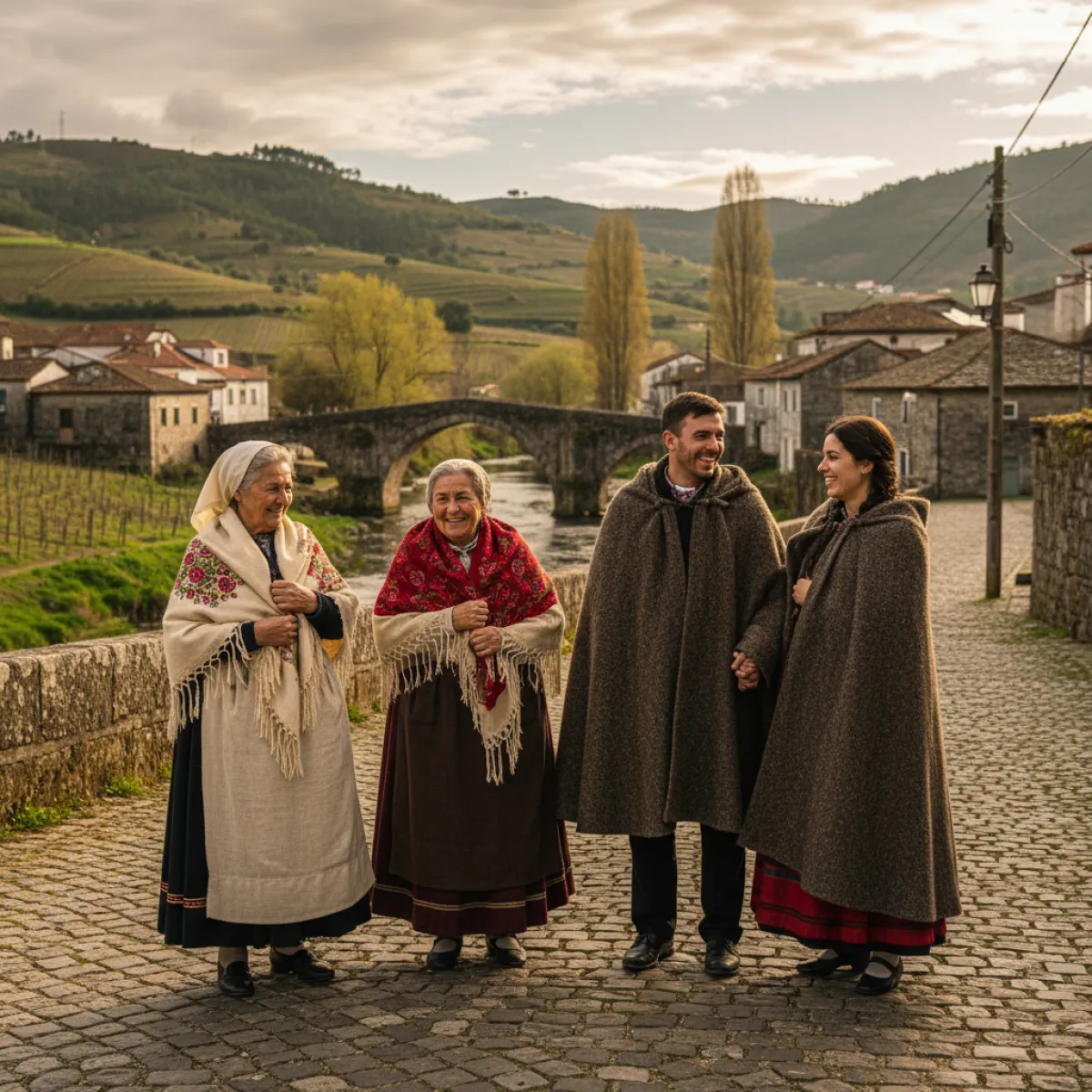
March in the Alto Minho is an exercise in patience and constant meteorological observation. While Southern Portugal begins to rehearse its first days of steady sunshine, Monção remains in a fascinating threshold: the end of a winter that refuses to leave and the announcement of a spring that arrives in the form of morning mists and sudden rains, known locally as the 'Águas de Março' (March Waters). Traveling to this region at this time of year requires more than just a pair of boots; it demands a clothing strategy that respects the thermal variation between the banks of the Minho River and the granitic slopes that shield the town.
The climate here is shaped by the proximity of the Atlantic and the deep valley that channels humid air. In a single day, one can experience a frigid 6°C morning that evolves into a sunny 18°C afternoon, ending in a night where the humidity makes the temperature feel substantially lower. This isn't just cold; it’s a thermal penetration that only granite and the proximity of water can produce. For the traveler who prefers functional sophistication over generic sportswear, the secret lies in intelligent layering.
The Layering Strategy: From Merino to Waxed Cotton
The first rule for Monção in March is to avoid the common mistake of an excessively heavy coat. A bulky parka will be your worst enemy when the sun breaks through the clouds at noon while you're walking the fortress walls. Instead, your base layer should consist of fine-gauge merino wool. Merino is the ideal fabric for Northern Portugal: it regulates temperature, resists odors, and dries quickly, an essential feature in a territory where relative humidity rarely drops below 70% during this season.
The Mid-Layer: The Weight of Tradition
Over the merino base, your choice should fall on natural textures. A structured cardigan or a light wool tweed blazer offers the necessary versatility to transition from a wine tasting at an Alvarinho estate to a dinner in a traditional restaurant. The Minho has its own aesthetic, less cosmopolitan than Lisbon, but deeply classical. Earthy colors, deep greens, and stone tones harmonize with the local landscape.
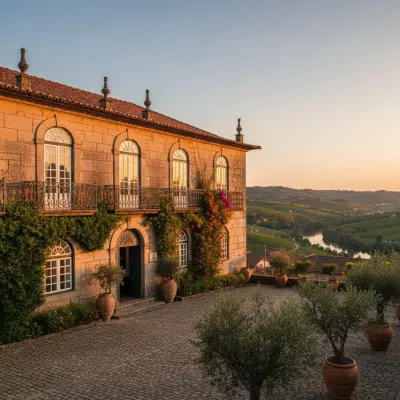
For those staying at Paço Alojamento Local, the choice of natural materials makes perfect sense. Being surrounded by the stone walls of this property requires clothing that breathes but protects from the cold touch of the mineral. Here, comfort is not just visual; it’s tactile. A good cashmere scarf is indispensable, not only for morning walks but as a comforting accessory for evenings spent reading by the fireplace or in a quiet corner of the house.
Footwear: The Challenge of Humid Granite
The streets of Monção, like most of the Minho, are paved with traditional granite cubes ('calçada'). In March, these stones are often covered by a thin film of moisture or, in shadier areas, a nearly imperceptible moss. This makes the terrain treacherous for smooth-soled footwear. Forget canvas sneakers or thin leather soles. The ideal footwear for this month is a robust leather boot, preferably with a 'commando' sole or rubber with good traction.
A Chelsea boot or a Derby boot balances the functionality needed to explore the vineyards with the elegance required for an urban context. Remember that in Monção, life happens outdoors, whether you're walking the Passadiço de Monção along the river or exploring the 17th-century fortress ramparts. Your footwear must be capable of handling a light drizzle without compromising thermal comfort.
Rhythms and Itineraries: The Soul of the North
March is the perfect time to understand the Minho's duality. While Monção is the ancestral home of Alvarinho wine, neighboring towns offer different perspectives on how to inhabit this land. It is impossible to speak of this region without mentioning the dense, poetic atmosphere found just a few kilometers away. To understand the essence of being in the North during the colder months, I recommend reading The Fog and the Feast: Why Ponte de Lima is Portugal’s Most Evocative Winter Escape. This piece perfectly captures the spirit of the comfort gastronomy that defines March: sarrabulho rice, papas, and red wine served in white porcelain bowls ('malgas').
Travel logistics in March should be slow. A daily budget for a couple, excluding accommodation, should be around €100 to €150 if you intend to explore the local gastronomy with discernment. A lunch of 'Cordeiro à Moda de Monção' (lamb cooked in the Monção style) at a reference restaurant like Cabana Maior or Sete de Março is mandatory. The dish, slow-cooked in a wood-fired oven inside a clay pot, is the culinary embodiment of the warmth that may be lacking outside.
Culture and Craft: Beyond the Landscape
If the rain becomes too persistent, the traveler should head indoors. The Minho is a region of artisans, and March is a month for workshop labor. A visit to Barcelos, for instance, reveals an umbilical connection to the earth that goes beyond agriculture. For those seeking to understand the region's cultural heritage, the guide The Living Craft of Minho: A Deep Dive into the Pottery of Barcelos provides the necessary context to appreciate the clay figures that are more than just souvenirs; they are hand-molded social chronicles.
For families traveling with children, adjusting the pace is crucial. Northern Portugal can be challenging for the younger ones if the focus is purely contemplative. However, towns like Ponte de Lima have mastered the art of welcoming all generations. It is worth consulting The Slow Rhythm of Ponte de Lima: A Family Guide to Portugal’s Oldest Village to structure stops that allow children to burn energy between gardens and museums without losing the thread of local history.
What to Pack: An Editorial Checklist
- Trench Coat or Waxed Jacket: Essential for intermittent rain. Brands like Barbour or similar are the gold standard here.
- Local Wool Knitwear: If you have the chance, buy a virgin wool sweater at a local fair; it's the best insulator you'll find.
- Sturdy Umbrella: The winds of the Minho valley destroy cheap pharmacy versions. Bring one with fiberglass ribs.
- Sunglasses: The March sun, when it appears, reflects intensely off the river and the light granite stones.
Conclusion: The March Traveler’s Reward
Visiting Monção in March is choosing authenticity over the picture-perfect postcard. It means having the thermal baths almost to yourself, securing a table without a reservation at the best restaurants, and, above all, watching the landscape change color before your eyes. When the fog lifts over the Minho River and reveals the mountains of Galicia on the other side, covered in a green that only constant rain can produce, you realize that the effort of bringing the right layers was worth it. Luxury here is not found in a tropical climate, but in the solidity of the culture, the quality of what is placed on the table, and the hospitality that warms more than any summer sun.