Seia in July: Grilled Sardines in the Mountains
Seia is two hours from the sea, but in July the coals are lit in the mountains too. Where to find the best festa sardines, why Serra rye broa makes all the difference, and how to build the perfect summer day in the Estrela.
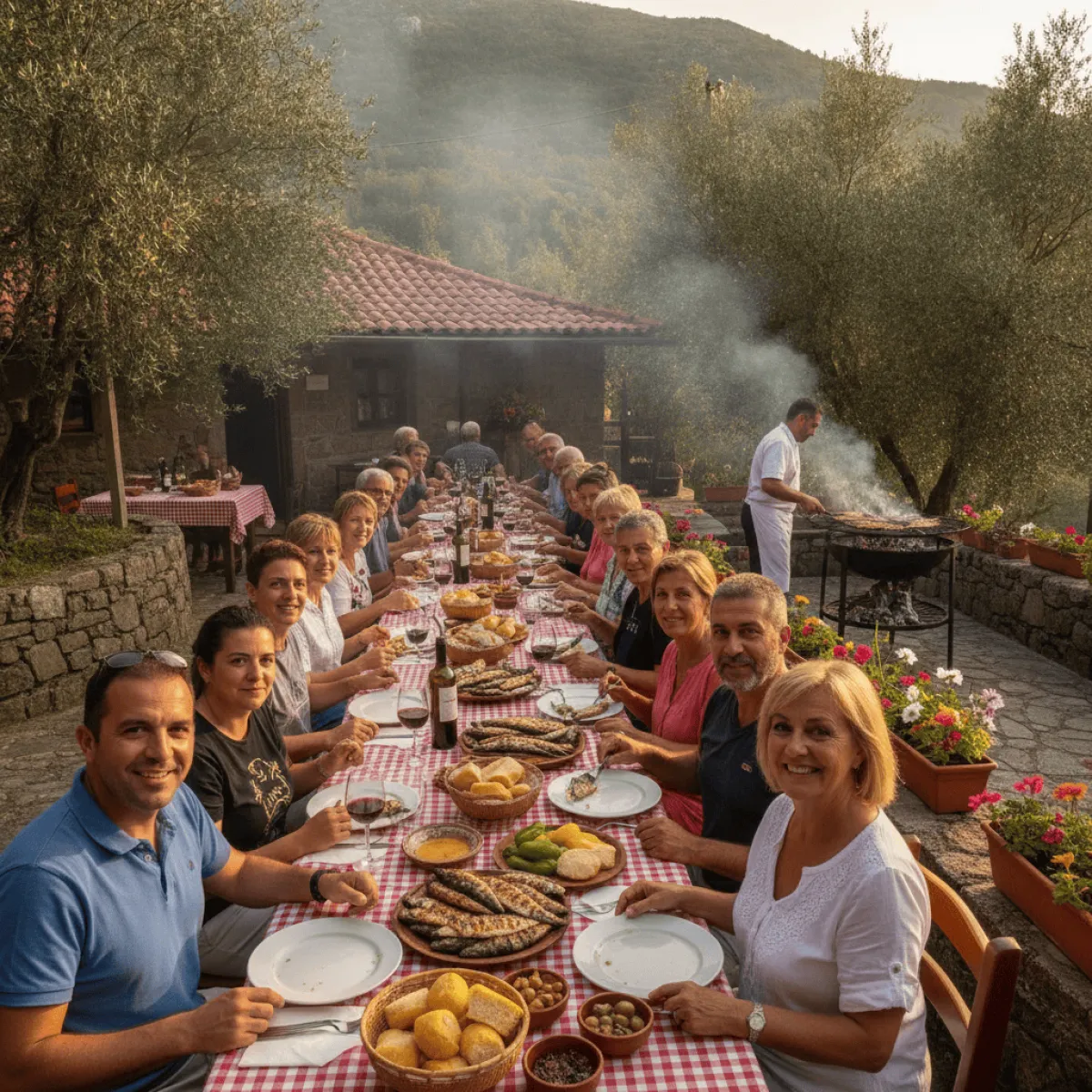
Let me be honest with you in the first paragraph, because it is kinder than letting you hunt for a seafood restaurant that does not exist: Seia is nearly two hours from the sea. We are at 500 metres of altitude, with the Serra da Estrela blocking the horizon, and the fish that arrives here comes by truck, not by boat. If your idea of July in Portugal is a terrace on the Atlantic with sardines dripping fat onto the coals, then frankly you should be in Sesimbra or Matosinhos, not up in the mountains.
And yet. In July, even up here, the sardine shows up. It shows up because the whole of Portugal smells of grilled sardines between Saint John's night and the end of August, and no Beira town dares to sit that party out. The difference is that in Seia the sardine is not the star: it is the guest. Understanding this completely changes how you eat here in summer. This guide is about finding good sardines in the mountains, yes, but also about realising that they are probably not the reason to drive all the way up.
The truth about mountain sardines
The sardine is at its best between June and October, when it fattens up and reaches that size where the bone slides out on its own and the skin crackles. This is true in the Algarve and it is true in Seia, because it is the same fish: the question is how far it has travelled. In a mountain town, the best sardine you will eat is almost always the one at the festas, the Santos Populares street parties and the summer parish festivals, where someone bought fresh crates in the morning and set them on the grill in the afternoon, in the open air, with bread and roasted peppers alongside.
The festival calendar in Seia and the surrounding villages runs from Saint John's, on 24 June, to the middle of August. That is when, in the village squares, the coals stay lit for hours. I will not invent dates or prices for a specific festa, because those things change every year and depend on the parish council. The practical advice is simple: when you arrive, ask. Ask in the cafe, ask in the bakery, look at the posters stuck to the lamp posts. In July there is always a festival less than fifteen minutes away by car, and it is on those improvised grills that the best sardine in the mountains is cooked. A plate usually costs about the same as at any street party in the country, but check locally.
The golden rule: eat the sardine where you can see it being grilled in front of you. If it is sitting in a display case under heat lamps, walk on. Up here, a good sardine is a street event, not a menu item.
The ritual around the coals
Grilled sardines are not eaten alone, and in Seia the company makes all the difference. Bread is everything. Forget the plate: the correct way to eat a festa sardine is over a thick slice of broa, the dense corn and rye country bread, letting the juice and the fat soak into the crumb, then eating the fish with your fingers, scraping the flesh onto the bread. At the end, the best part is the soaked broa.
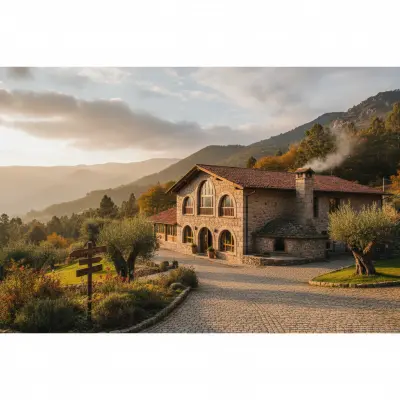
And this is where Seia plays at home. Before you hunt for the coals, take a detour that sounds odd but makes complete sense: the Museu do Pao, the bread museum that tells the story of Beira bread better than any book. This is not a stop for the distracted tourist. It is the way to understand why bread is taken so seriously here, and why a sardine over Serra rye broa is a different thing from a sardine over the white bread of the beach. It has its own restaurant and a shop where you can buy proper broa to take to the festa.
Pair the sardine with roasted peppers, boiled potatoes in their skins and a Beira wine, red and cold, even if tradition says the red should be drunk at cellar temperature. In the middle of July, with 30 degrees in the shade, nobody will judge you for asking for it chilled.
Where to eat and where to pause in Seia
Outside the festivals, your chances of eating sardines in Seia on an ordinary day are slimmer, and I would rather be straight with you than send you to a tasca I do not know. What Seia does well, it does really well, and there are places worth the stop even without a grill at the door.
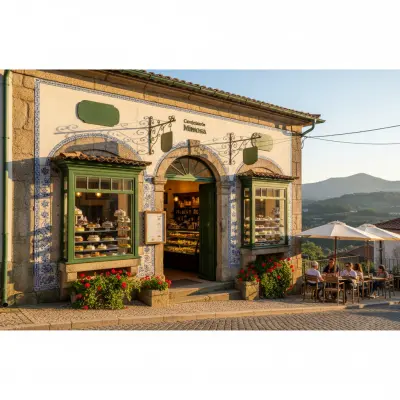
For mid morning, after a walk around the centre, go to Confeitaria Mimosa, the right stop for pastries and morning coffee in Seia. It is the kind of provincial pastry shop that makes its cakes the way they should be made, no fuss, with a full counter and locals coming and going. Start your day here before any serious plan.
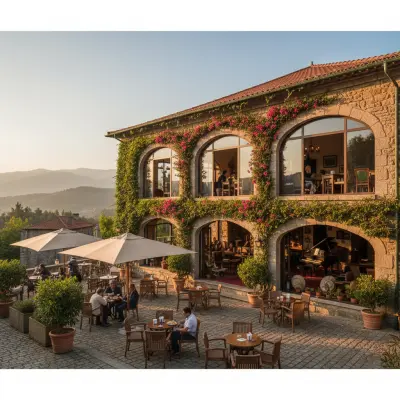
In the late afternoon, when the heat eases and the town comes alive on its terraces, Cafe Concerto is the meeting point for a drink at dusk. It is the place to sit and watch the town go by, plan your evening and find out, from the conversation at the next table, which village is throwing the party that weekend. In Seia, useful information always travels by word of mouth.
Sleeping away from the coals: the village over the town
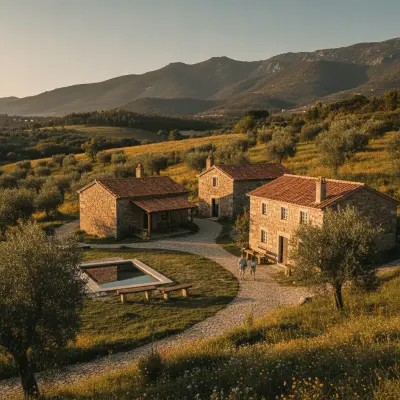
If you are staying a few days, and in July it is well worth it, escape the centre at night. My clear recommendation is to sleep in the mountains, at Chao do Rio, a cluster of restored stone village houses. It is the opposite of a roadside hotel: schist and granite houses, the sound of the stream at night, and that mountain cool that lets you sleep with the window open even in high summer. After an afternoon of sardines and wine at a village festa, coming back here is the best decision you will make.
It is also the perfect base for everything else. In the morning, before the heat, you set off from here for the mountains. You have the whole day to spend on the high plateau before the coals are lit again in the late afternoon.
What to do between meals
July in the Serra da Estrela is not only food and festas. The mornings are for walking, the afternoons for shade and water. If you want a half day plan that pairs well with an evening party, climb the mountain early and come down in time for dinner. For anyone who likes to put their feet to the trail, there are classic routes a short drive away: neighbouring Manteigas, with its snow wells and the high mountain taken seriously, is the best introduction to the upper range, with river pools to cool off in mid afternoon.
If you would rather trade altitude for stone and history, the one day road trip from Covilha to the schist villages shows you a completely different side of this region, with villages frozen in time and mountain cooking at every stop. It is a plan for a clear sky day, before returning to Seia for the evening's sardines.
And to understand the real Beira in festival mode, it is worth keeping in mind the cycle of seasons here: spring has its own spectacle, as shown by the cherry blossom bloom in Fundao. By July, of course, the blossom has long become cherry and the cherry has long been eaten, but it reminds you that this is a region living to the rhythm of the calendar, and the sardine is simply the summer chapter of that story.
How to get there and how to plan the day
Seia has no train. You arrive by car, and that is also the way to enjoy it, because the best festas and the best grills are scattered across the surrounding villages. From the A23 or the A25, expect a drive of about two hours from Porto or Coimbra, a little more from Lisbon. There are bus services, but without a car you are at the mercy of the timetables and you miss half the fun.
The ideal July day in Seia, in my version, is this. Early breakfast at Confeitaria Mimosa. Morning in the mountains, walking or cooling off in a river beach before the peak of the heat. A light lunch and a nap. In the late afternoon, fresh broa bought at the Museu do Pao shop. A drink at Cafe Concerto while you find out where tonight's party is. And then the coals: the queue for a plate of sardines, a glass of cold red in your hand, the music playing in the square and the dark mountain above it all. At one in the morning, back to the cold stone of Chao do Rio, you will understand that eating sardines in the mountains was not a mistake. It was just a different, and better, way to do it.
Three quick tips
- Eat the sardine where you can see it grilling. Never from a heat lamp display case.
- Always bring broa, preferably from the Serra. The sardine is only half the plate.
- In July there is a festa almost every weekend. Ask in the cafe which one is on Saturday. It always beats any itinerary written in advance.
Do not come to Seia just for the sardine. But come in July, and eat one here at least once, with rye bread and your feet in the mountain soil. It will be different from what you expected. And, I suspect, better.