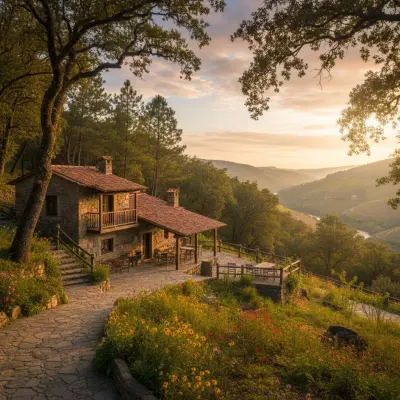
São João da Pesqueira: The High Douro’s Honest Table
Forget the tourist traps by the river. In São João da Pesqueira, the Douro reveals itself through hearty stews, honey chorizo, and high-altitude wines that challenge the palate. A no-nonsense guide for those seeking the rugged and authentic table of the Upper Douro.
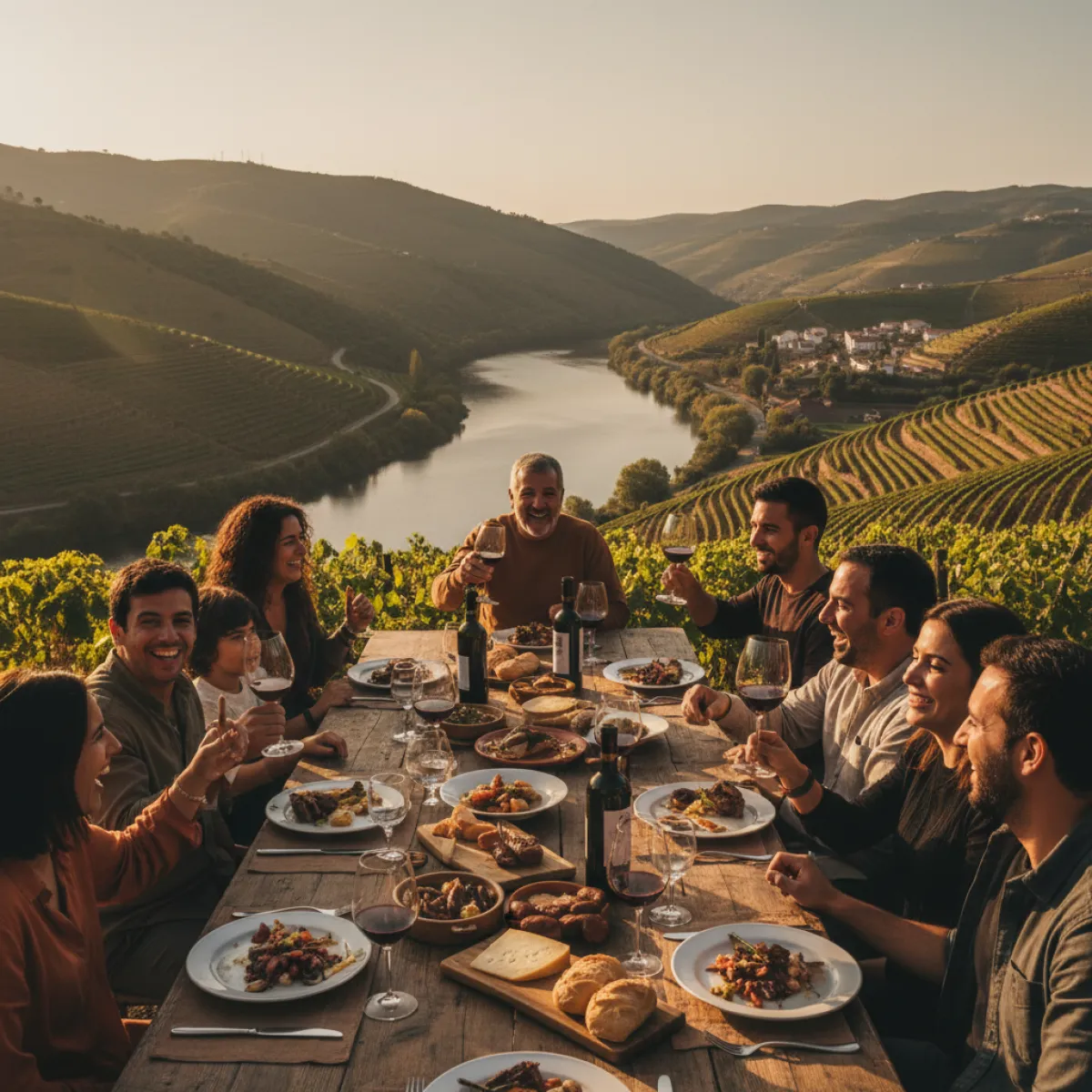
The High Plateau of Flavor: Forget the Postcards, Eat Properly
Forget those luxury cruises where they serve you questionable salmon while you stare at terraced slopes through a fogged-up window. If you want to know what the Douro eats when the tourists' cameras are pointed at Pinhão, you have to climb. São João da Pesqueira is not for the faint of heart or those seeking the polished veneer of event-focused wine estates. At 600 meters above sea level, the wind here blows with intent, and the food needs weight to push back. This is the municipality with the largest vineyard area in the country, but curiously, it is at the table where it reveals its true character, far from the bus routes and closer to the raw earth.
Getting here requires a certain level of driving skill. The N222, often voted the best road in the world, is just the appetizer. The ascent to Pesqueira is made via curves that seem designed to test your resolve. But the reward, as soon as you park near Praça da República, is immediate: the smell of woodsmoke in winter or the dry heat that carries the scent of rockrose in summer. Here, gastronomy isn't a performance; it’s a necessity for survival and a celebration of abundance in a territory that hasn't always been generous.
The Morning Ritual: Biscuits and Machine Coffee
Start your day on Rua General Humberto Delgado. Don’t look for brunch with avocado and poached eggs. Find the corner café where viticulturists discuss grape prices and the ripeness of the Touriga Nacional. Breakfast here is called Biscoito de São João da Pesqueira. They are dry, with a hint of lemon and cinnamon, made specifically to be dunked into coffee. If you’re lucky, you’ll find them fresh from one of the local ovens. This is austere confectionery, devoid of the creams found in city bakeries, but with a texture that can withstand a full day’s work in the vineyard. It costs less than a euro and gives you the energy for the next three hours of exploration.
The Stew That Makes No Apologies
At lunch, the choice is simple but rigorous. Look for restaurants that don't have photos of their dishes in the window. Restaurante Típico O Forno, for instance, is an institution. Here, the Cozido à Portuguesa isn't just a mix of meats; it’s an inventory of local production. Forget the diet. What matters is the well-boiled pig's ear, the honey chorizo (a regional specialty that confuses newcomers but seduces the resilient), and the "tronchuda" cabbage that grew through the frost. The secret is time. Nothing here is done in a hurry. The pork is salted well in advance, and the broth has the density of someone who knows what they’re doing.
If the stew is too heavy for your afternoon, turn your attention to the Roasted Kid (Cabrito) in a wood-fired oven. The regional kid, raised on rocky slopes, has lean but intensely flavorful meat, far from the spongy texture of supermarket specimens. It’s served with offal rice and roasted potatoes that have absorbed every drop of the roast’s sacred fat. A full lunch, including house wine (which anywhere else would be a reserve), coffee, and a shot of aguardente to seal the deal, will rarely exceed 15 to 20 euros per person. It’s a steal, but one that favors the customer.
Between Glasses and Museums
To digest such an undertaking, head up to the Wine Museum of São João da Pesqueira. It is one of the finest examples of modern museology in Portugal, housed in a building that respects the village's scale. It’s not just about bottles and labels; it’s about the human effort required to shape granite and extract nectar from it. As you walk through the exhibits, you’ll understand why the food here is so vigorous. Working these lands demands calories. While the museum offers a technical view, to feel the pulse of the place, walk over to the Parque da Mata do Cabo. It’s the village’s lungs, a space where granite gives way to greenery, and where you can walk under the trees to bring your blood sugar back to reality.
The High Perspective: São Salvador do Mundo
You cannot leave São João da Pesqueira without visiting the Sanctuary of São Salvador do Mundo. Forget the spiritual metaphors; this is about scale. From here, the Douro River looks like a silver thread far below, squeezed by mountains. It is one of the most dramatic viewpoints in Portugal. It’s the ideal spot to reflect on the difference between this high Douro and the neighboring city of Lamego. While Lamego has a baroque, episcopal elegance, Pesqueira is rugged and agricultural. To better understand this dichotomy, it’s worth diving into the guide on Lamego in Winter: The Geometry of Comfort and the Silence of Granite. The geology is the same, but the spirit is distinct.
This region isn't just explained by the view; it's explained by sound and identity. The Douro Superior has a silence that can be unsettling for city dwellers, but it’s a silence full of meaning, very close to what is described in The Resonance of Granite: Fado and the Sonic Identity of Lamego. Here, fado isn't heard on every corner, but the landscape’s melancholy and the stone’s hardness are there, present in every gesture of someone pouring a glass of wine.
High Altitude Wines: Liquid Gold
Let’s talk wine. In Pesqueira, wine isn't a luxury; it’s an essential good. The climate here is extreme: "nine months of winter and three of hell." This creates wines with a vibrant acidity that valley-bottom wines sometimes lack. Look for wines from small producers who still maintain old vines. If you find a white made from Rabigato and Viosinho, order it. It’s mineral, tense, and cleans the palate of any fat from a roasted kid. The red wine, deep in color and with notes of black fruits, is the ideal companion for cold nights. If you want to explore how water and wine merge in regional identity, the guide to The Inland Coast: River Escapes and the Luxury of Stillness in Lamego offers a fascinating look at this territory of contrasts between river and mountain.
The Departure: The Weight of History
Before you leave, stop by the local market if it’s a market day (the first and third Monday of the month). Buy almonds. The almonds from the Douro Superior are smaller but have a concentration of oil and flavor that American varieties can only dream of. Take a bag of them for the journey. They are the perfect summary of São João da Pesqueira: hard-shelled, difficult to open, but immensely rewarding on the inside.
São João da Pesqueira is not a destination for those who want to be pampered with superficial luxuries. It’s a place for those who respect the table and know that the best in life rarely comes with a bow. It’s a journey of discovery, with a full stomach and a spirit washed by the northern wind. If you want the real Douro, get off the riverbank and climb. The table is set, and there’s a seat for you.