The Inland Coast: River Escapes and the Luxury of Stillness in Lamego
Forget the Atlantic for a moment. In Lamego, the coast is made of schist terraces and the serene waters of the Douro. Discover how to spend the summer between Baroque stairways, sparkling wine caves, and sophisticated river retreats.
Redefining the Coastal Concept in the Heart of the Douro
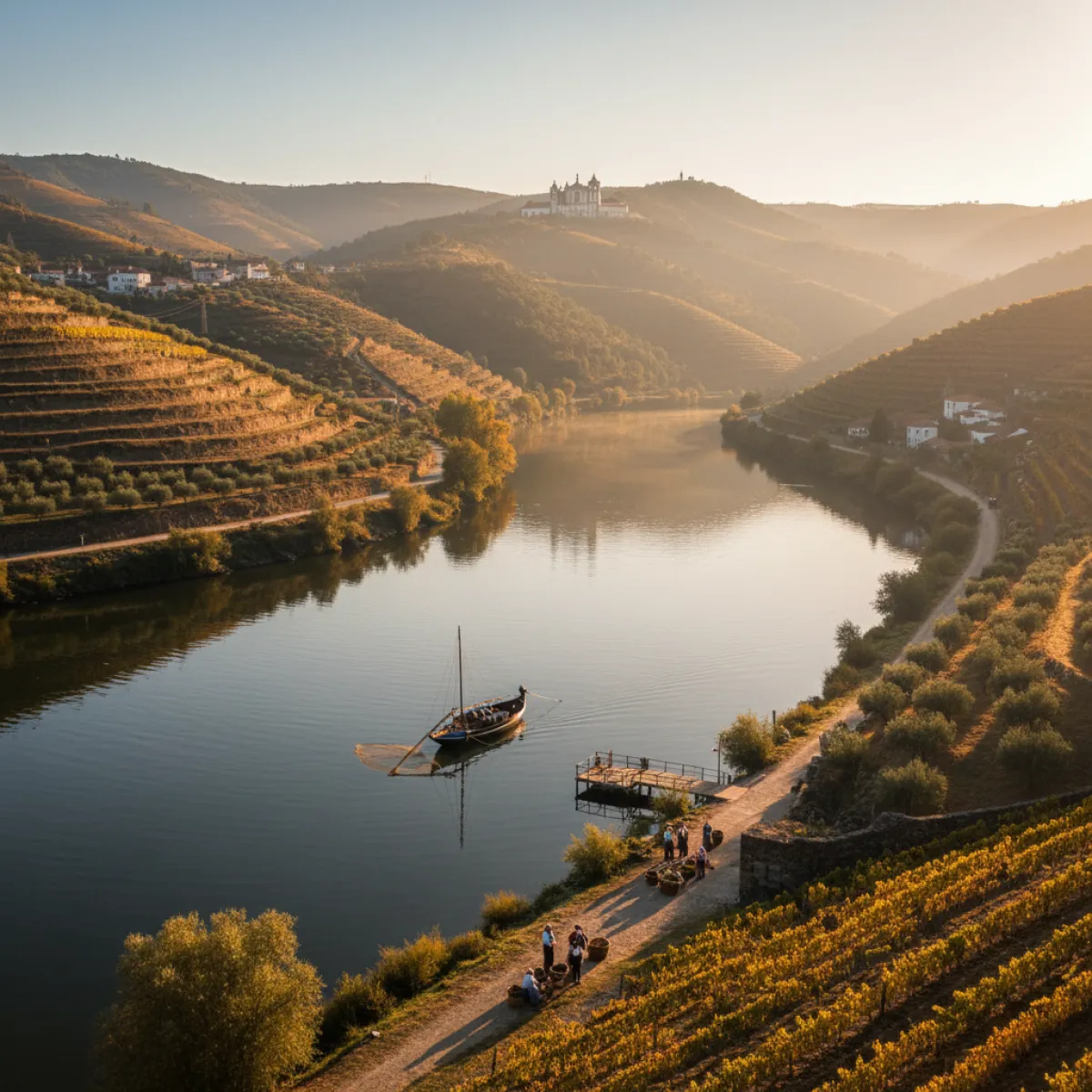
When we think of coastal escapes in Portugal, instinct typically drives us toward the Atlantic erosion of Comporta or the ochre cliffs of the Algarve. However, there exists an inland coast, sculpted not by salt, but by schist and the persistent flow of the Douro River. Lamego, one of the North’s most noble and historically dense cities, offers a sophisticated alternative to maritime mass tourism. Here, the 'coast' is a succession of terraces diving into the river, and the 'beaches' are freshwater sanctuaries where time seems governed by the stopwatches of another era.
Lamego does not reveal itself immediately to the hurried visitor. It is a city of layers, where Baroque grandeur merges with the productive rurality of the vineyards. For those seeking liquid freshness during the summer months, the region proposes a geography of proximity to the river that demands an observant eye. It is not merely about finding a spot to spread a towel, but about understanding the choreography between the mountain and the bank. The Douro in this area is wide and serene, serving as a mirror for the slopes that produce some of the world’s most celebrated wines.
The Vertical Ascent: Where Granite Becomes the Tide
Before diving into the river waters, it is imperative to face the city's verticality. In Lamego, the experience closest to a human tide, albeit of a spiritual and architectural nature, is found at the Sanctuary of Nossa Senhora dos Remédios. The climb is, in itself, a journey of endurance and contemplation. The 686 Steps of Lamego: A Baroque Stairway to Heaven are not just a physical exercise; they are a path punctuated by fountains, statues, and courtyards offering panoramic views over the valley. It is here that one realizes the scale of the Douro: from the top, the city spreads out like an amphitheater facing the river, the true 'sea' of this region.
For the Monocle-minded traveler, the value of this stairway lies in the stonework details and the impeccable maintenance of the surrounding gardens. We recommend ascending in the early morning, when the Douro mist still lingers among the trees of Santo Estêvão Park, creating an atmosphere of almost monastic isolation. The cost is only that of physical effort, but the visual reward is immeasurable. At the summit, the silence is broken only by the wind blowing from the neighboring mountains, a breeze carrying the scent of damp earth and oak.
Where Repose Meets History: Casa do Pó
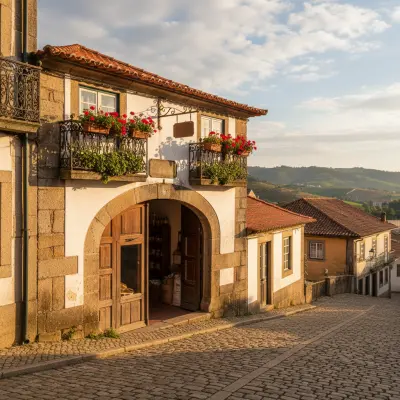
The choice of accommodation in Lamego should reflect the city's duality: the robustness of the past and the comfort of the present. Strategically located for those wishing to explore both the historic center and the riverbanks, Casa do Pó emerges as a lesson in urban rehabilitation. This vacation rental does more than offer a bed; it offers immersion in the city's texture. With an aesthetic that respects the original structure while introducing contemporary clarity, it is the ideal headquarters for those seeking a 'coastal escape' without sacrificing the urban life of an episcopal city.
Staying at Casa do Pó means being just a few steps from the Cathedral and the bakeries where the famous Bola de Lamego is served warm. The budget for a stay here is balanced, situated in the affordable luxury segment that prizes authenticity over unnecessary opulence. It is the kind of place where you wake up to the sound of bells and plan your day over a paper map, deciding which river bend deserves your visit in the afternoon.
River Beaches and Riverside Retreats: The Luxury of Fresh Water
The true coastal escape in Lamego is found by descending to the southern bank of the Douro. The Praia Fluvial de Porto de Rei, technically in the neighboring municipality of Resende but a short drive from central Lamego, is the destination of choice for those seeking quality infrastructure. Here, the Douro’s waters are calm, ideal for kayaking or simple, contemplative swimming. The space features generous shaded areas and a support bar that avoids the pretensions of Algarvian beach clubs, focusing on the essentials: cold drinks and local snacks.
For a more exclusive experience, one should seek out the lesser-known small piers, such as the one at Cambres. In these spots, there are no extensive sandy beaches, but rather stone platforms and lawns that offer direct access to the channel. This is where locals go to cool off, away from the obvious tourist routes. The budget for a day on these banks is minimal, the cost of fuel and a picnic basket well-stocked with Serra da Estrela cheeses and regional sparkling wine.
Slopeside Gastronomy: What to Order
No trip to Lamego is complete without a serious foray into its gastronomy. If the Atlantic coast lives off fish, the Douro lives off substance. The Bola de Lamego is the pillar of this diet; look for the cured ham (presunto) version at Pastelaria da Sé, where the dough is fluffy and the filling generous. For lunch, roasted kid (cabrito) in a wood-fired oven is the obvious choice, accompanied by offal rice and roasted potatoes. The cost of a meal at a landmark restaurant like Manjar do Douro ranges from 30 to 45 euros per person, including wine.
Speaking of wine, Lamego is the land of sparkling wine (espumante). A visit to the Raposeira or Murganheira caves is essential to understand how Lamego’s high-altitude climate allows for the production of fine, elegant bubbles that rival those of Champagne. Order a 'Bruto Nature' to accompany an afternoon by the river; the sharp acidity is the perfect antidote to the heat of the valley.
Logistics and Pragmatism
To reach Lamego, the most scenic route is undoubtedly the N222, often cited as one of the world’s most beautiful roads. Coming from Porto, the journey takes about an hour and fifteen minutes. A car is indispensable for exploring the river beaches and the wine estates scattered throughout the region. When visiting, avoid the heat peaks of August if you are not a fan of temperatures above 35°C; spring, with the almond trees in bloom, or autumn, during the harvest, offer a color palette and a temperature far more pleasant for active exploration.
In short, Lamego offers a coastal escape that defies conventions. It is a city that demands legs for climbing steps and a soul for appreciating the slowness of the river. Between the historic granite and the fresh water of the Douro, lies a Portugal that doesn’t need waves to be magnetic.