The Resonance of Granite: Fado and the Sonic Identity of Lamego
A deep exploration of how Baroque architecture and the silence of the Douro Valley shape the musical experience in Lamego. From spontaneous fado to the local sparkling wine culture, discover the city's sonic soul.
The Geometry of Sound in the Interior
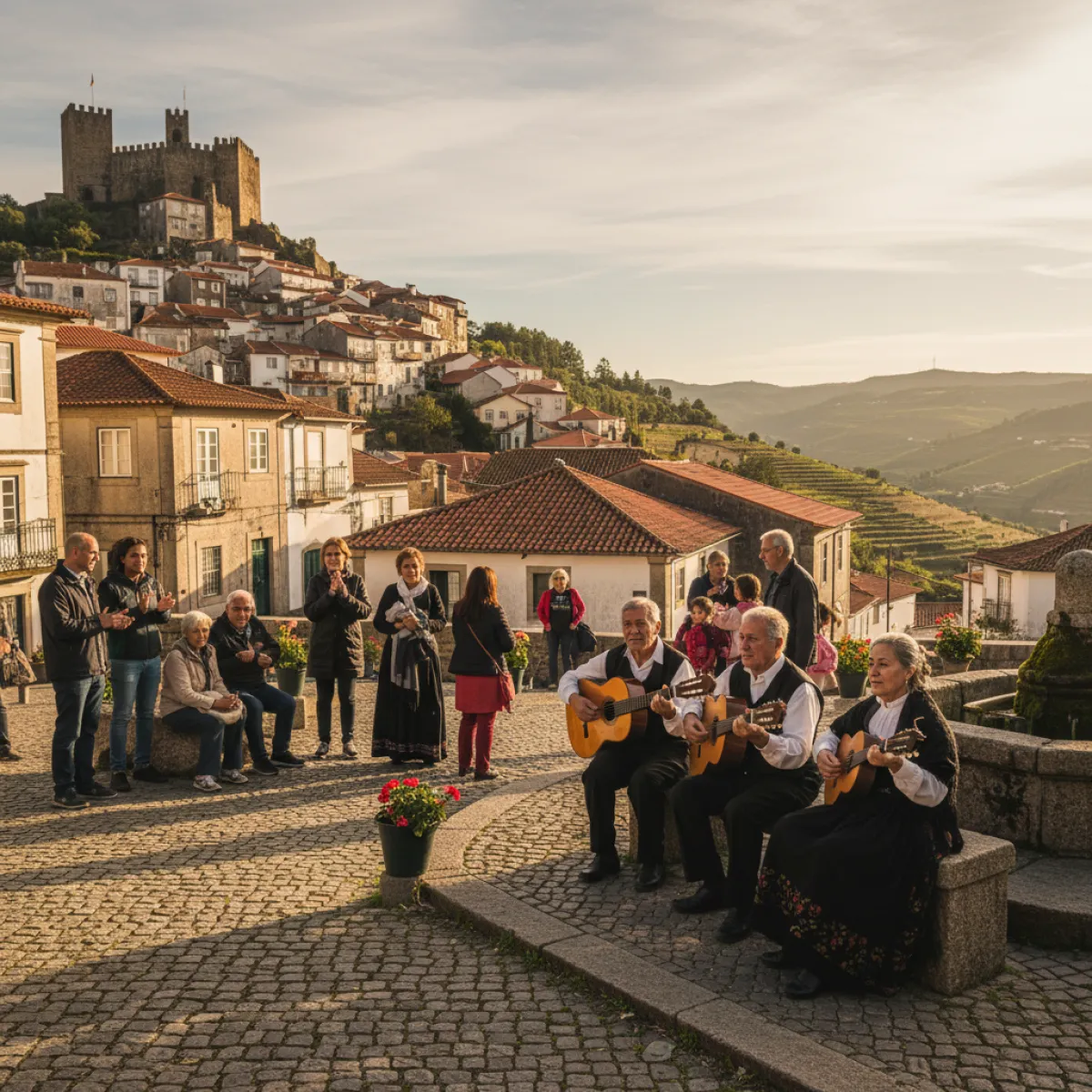
Lamego is not a city that surrenders to noise. Perched on the sculpted slopes of the Southern Douro, this episcopal seat maintains a gravity that can be felt in the soles of your feet as you tread upon its centuries-old granite. For the traveler seeking the soul of Portuguese music, the temptation is to look toward Lisbon or Coimbra, but it is in the silence of the northern mountains that fado and traditional melody gain an almost physical density. Here, music is not mere entertainment; it is a dialogue between Baroque architecture and the inherent melancholy of a territory that has watched centuries pass without losing its composure.
Upon arriving at the Teatro Ribeiro Conceição, a former 18th-century hospital converted into one of the country's most exquisite performing arts venues, one realizes that sound in Lamego has a home worthy of its lineage. The stone walls, once a refuge for the sick, now amplify the intricate picking of the Portuguese guitar and the voices of local fadistas who, far from the commercial limelight, maintain a technical and emotional purity that disarms the listener. It is a tactile experience, where the comfort of velvet seats contrasts with the hardness of the stories being sung.
Ascension and Silence
To understand the city’s spiritual acoustics, one must face the physical challenge that defines its silhouette. Climbing The 686 Steps of Lamego: A Baroque Stairway to Heaven is an exercise in rhythm and breath that prepares the body for contemplation. Each landing offers a new perspective over the valley, and it is at the summit, by the Sanctuary of Nossa Senhora dos Remédios, that the wind carries echoes from the city below. This ascent is not merely for the view; it is a metaphor for fado itself: a slow, sometimes painful climb, compensated by a clarity of vision that only effort can yield.
Fado in Lamego is not confined to formal stages. It resides in the taverns near the Cathedral, where 'fado vadio' (spontaneous fado) still occurs organically. In these spaces, the protocol is simple: order a board of Lamego ham, cured with the rigor of the mountain climate, and a flute of local sparkling wine, such as Raposeira or Murganheira. The contrast between the effervescence of the wine and the gravity of the voice creates a sensory equilibrium that defines the Douro identity. On these nights, music merges with woodsmoke, low conversations, and the metallic clink of cutlery, creating a sonic tapestry that is simultaneously archaic and modern.
The Luxury of Stillness and Refuge
There is a discreet sophistication in how Lamego treats its visitors. It is not about obvious opulence, but a luxury rooted in the quality of raw materials and genuine hospitality. For those seeking total immersion in this atmosphere of musical introspection, the choice of stay must reflect the city’s spirit. Casa do Pó is a masterful example of how heritage can be revitalized with contemporary sensitivity. Here, silence is the dominant note, allowing the guest to process the day’s emotions in an environment of minimalist yet warm comfort.
Lamego’s relationship with water also shapes its sound. Although it lacks the sea at its doorstep, the proximity to the river defines the rhythm of life. Exploring The Inland Coast: River Escapes and the Luxury of Stillness in Lamego reveals a more fluid side of the region, where the sound of the current replaces the guitars during the day. This duality between the rigidity of urban granite and the fluidity of the Douro River is essential to understanding why the music here is as structured as it is free-spirited.
Practicalities and Cadence
For the conscious traveler, Lamego demands preparation that goes beyond the suitcase. Your budget should account for both high-end gastronomy and spontaneous small experiences. A full dinner at a reputable restaurant with regional wines will cost between €40 and €70 per person. Fado vadio nights are generally free, with the expectation that you consume drinks and petiscos. The best time to visit is during late spring or early autumn, when temperatures allow for long walks without the burden of extreme heat.
However, there is a particular charm in visiting Lamego in Winter: The Geometry of Comfort and the Silence of Granite. It is during this season that fado seems most resonant. The cold outside justifies the warmth of the hearth, and the melancholy of the music becomes the most effective layer of clothing. In these months, the city strips away distractions and offers its purest essence to those who have the patience to listen.
- What to order: Try the 'Bola de Lamego' (with cured meats or ham) at traditional bakeries before your ascent to the sanctuary.
- When to go: Tuesday through Saturday to ensure the Teatro Ribeiro Conceição has active programming or guided tours.
- Where to listen: Look for posters in the shop windows along Avenida Dr. Alfredo de Sousa; the most authentic fado events are often announced the old-fashioned way.
Lamego is a city of layers. Music is the thread that binds the sacred of the sanctuary to the profane of the tavern. Upon leaving, the visitor takes away not just photographs, but a new internal frequency, tuned to the weight of granite and the lightness of a well-sung fado.