São João da Pesqueira: The Douro’s Wine Heart in 24 Hours
Forget the obvious tourist traps. São João da Pesqueira is the Douro in its rawest state, where roast kid and high-altitude wines tell the story of one of the world's oldest wine regions.
The Starting Point: Where the Douro Gets Serious
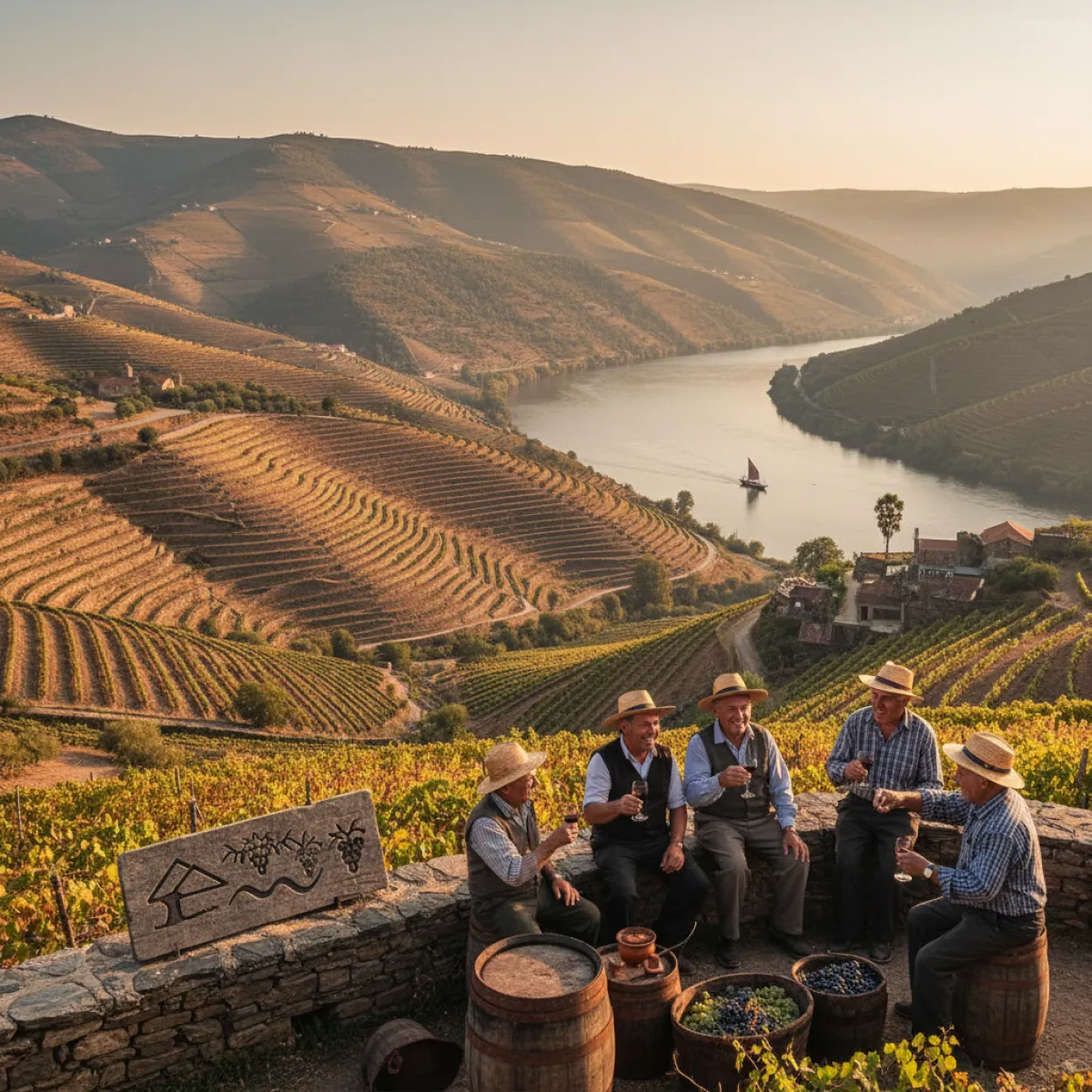
Forget the postcard views of Pinhão for a moment. If you want to feel the true weight of wine-making history and the raw landscape that shaped the world’s most famous wine, you have to climb. São João da Pesqueira isn’t just a passing village; it’s the administrative and historical heart of a region that was demarcated long before tourism became an industry. Perched on a high plateau above the steep riverbanks, Pesqueira (as the locals call it) offers a different perspective: here, the sun hits harder, the wind blows with more purpose, and the wine possesses a structure that the valley floor doesn’t always achieve.
Reaching this place requires a deliberate drive. Whether you take the N222, the road every guidebook praises, but which in summer can be a test of patience, or ascend from the Ferradosa train station, the change in altitude is your first indicator that you’ve entered another domain. At 600 meters above sea level, the air is crisper, and the view over the Valeira dam is, without exaggeration, one of the most dramatic in Europe. Start your day at the Praça da República. It’s not just a square; it’s a 18th-century architectural compendium, with the old jail and the courthouse dominating the space. It’s here, under the arcades, that you feel the rhythm of the town. Grab a coffee at the central cafe and, if you’re lucky, you’ll find "Borrachões", traditional biscuits made with white wine, cinnamon, and sugar. They are dry, aromatic, and the perfect companion for planning your day.
The Morning: Between Museums and History
Many travelers make the mistake of skipping museums in small towns. In the case of the Wine Museum of São João da Pesqueira, that would be a grave error. The building itself is a piece of contemporary architecture that merges with the granite and schist, descending several floors below street level. Don’t just expect dry panels about phylloxera; expect a sensory immersion into the geology of the Douro. The museum explains why schist soil is so vital: the vine roots must drill through meters of rock to find water, and it is this water stress that concentrates the sugars and tannins you will taste later.
After the museum, lose yourself in Rua do Arco. This is the medieval heart of the town, where houses retain Manueline windows and granite coats of arms tell the stories of families who grew wealthy through the Port wine trade. If your interest goes beyond the obvious, look for the details on the facade of the Solar dos Pintos. It is this aristocratic Douro, sometimes a bit austere, that gives Pesqueira its unique personality. If you’re visiting during the winter, you’ll notice the atmospheric similarity to other cities in the region, as detailed in the guide Lamego in Winter: The Geometry of Comfort and the Silence of Granite. There is a certain geometry to the comfort found in these cold lands that only granite and a good fireplace can provide.
Lunch: The Triumph of Substantial Gastronomy
In the Douro, lunch is not a break; it’s a central event. Forget light salads or modern brunches. In São João da Pesqueira, the table is dominated by roast kid (cabrito) cooked in a wood-fired oven, served with giblet rice and roasted potatoes. Look for one of the local restaurants near the main square, the smell of rosemary and rendered pork fat will guide your way. The kid here is mountain-fed, grazing on aromatic herbs that reflect in the meat's flavor. It’s tender, succulent, and demands a full-bodied red wine, likely a DOC Douro from the Ervedosa or Castanheiro sub-regions.
If you prefer something quicker but equally authentic, seek out the cured meat shops. Pesqueira is famous for its "alheiras" and "chouriços." A sandwich of local cured ham, sliced on the spot, with a glass of wine from the local cooperative, is an experience that luxury tourism often fails to replicate. The cost? Surprisingly affordable. A full lunch rarely exceeds 20-25 euros per person, even with a high-quality wine.
The Afternoon: São Salvador do Mundo Viewpoint
After lunch, you need perspective. Take the car and drive the few kilometers to Monte de São Salvador do Mundo. This is the largest sanctuary in the Douro, composed of a series of small chapels dotting the climb. At the top, the view is dizzying. Far below, the Douro River makes a sharp turn at the Cachão da Valeira. It was here that, in 1861, the famous Baron Forrester, the man who first mapped the Douro, died in a shipwreck. Legend has it that his high boots, filled with gold coins, pulled him to the bottom. The rock that caused the danger was dynamited years later, but the energy of the place remains.
It’s a place for silence. The natural shade offered by the vegetation invites a long pause. If your journey takes you west, you’ll find parallels in this relationship between rock and spirit in the guide The Resonance of Granite: Fado and the Sonic Identity of Lamego, where the sound of the stone shapes the local culture. Here at São Salvador, the only sound is the wind passing through the cracks in the schist and the occasional hum of a cruise boat that looks like a toy far down on the river.
A Green Escape: Parque da Mata do Cabo
Upon returning to the town, look for the Parque da Mata do Cabo. In a region where trees were often sacrificed in the name of vineyards, this park is an essential lung. It’s the place where locals come to escape the scorching August heat. There is something deeply comforting in the shade of these century-old trees. The park is an example of how Pesqueira manages to balance its agricultural nature with high-quality leisure spaces. It’s the perfect place to read a book or simply watch the slow movement of the afternoon. If you’re traveling with children, this is where they can run free without the danger of the vineyard slopes.
Use this time to plan the coming days. If your goal is total relaxation and proximity to the water, consider the suggestions in The Inland Coast: River Escapes and the Luxury of Stillness in Lamego. The Douro has these two faces: the austere plateau of Pesqueira and the softer, more luxurious banks near Lamego.
End of the Day: The Estate and the Cellar
No visit to São João da Pesqueira is complete without entering a wine estate (quinta). Some of the most prestigious properties in the Douro are located here, on the edges of the municipality. I recommend looking for estates that still maintain granite lagares, where foot-treading is still practiced during the September harvest. Tasting a Vintage Port or a 20-year-old Tawny in the very place where the grapes were picked is not just a tasting; it’s an act of communion with the land.
For dinner, choose a place that highlights the region's wines. High-altitude Douro wine produces whites with vibrant acidity and reds that age magnificently. End the night with a stroll through the illuminated historical center. The granite takes on a golden hue under the streetlights, and the silence is broken only by the bell of the main church. São João da Pesqueira won’t give you the bustle of a city, but it will give you something much rarer: the feeling that time, much like the wine in the cellars, is working in your favor.
- Practical Tip: If you can, visit during the first half of September for "Vindouro," the harvest festival. The town transforms into a 19th-century market, and wine tastings are ubiquitous.
- Transport: A car is indispensable for exploring the estates and viewpoints. If you come by train, get off at Ferradosa, but book a taxi in advance to get up to the town.
- Climate: In summer, temperatures can exceed 40 degrees Celsius. A hat and water are mandatory. In winter, be prepared for dense fog and the biting cold of the plateau.