Ribeira Grande After Dark: Where Locals Actually Go
Ribeira Grande doesn't have superclubs or international DJs, and that's the point. What it has are short, intensely social evenings, music that appears spontaneously in bars where everyone knows each other, and beers under €2. This is the honest guide to nightlife in São Miguel's second city.
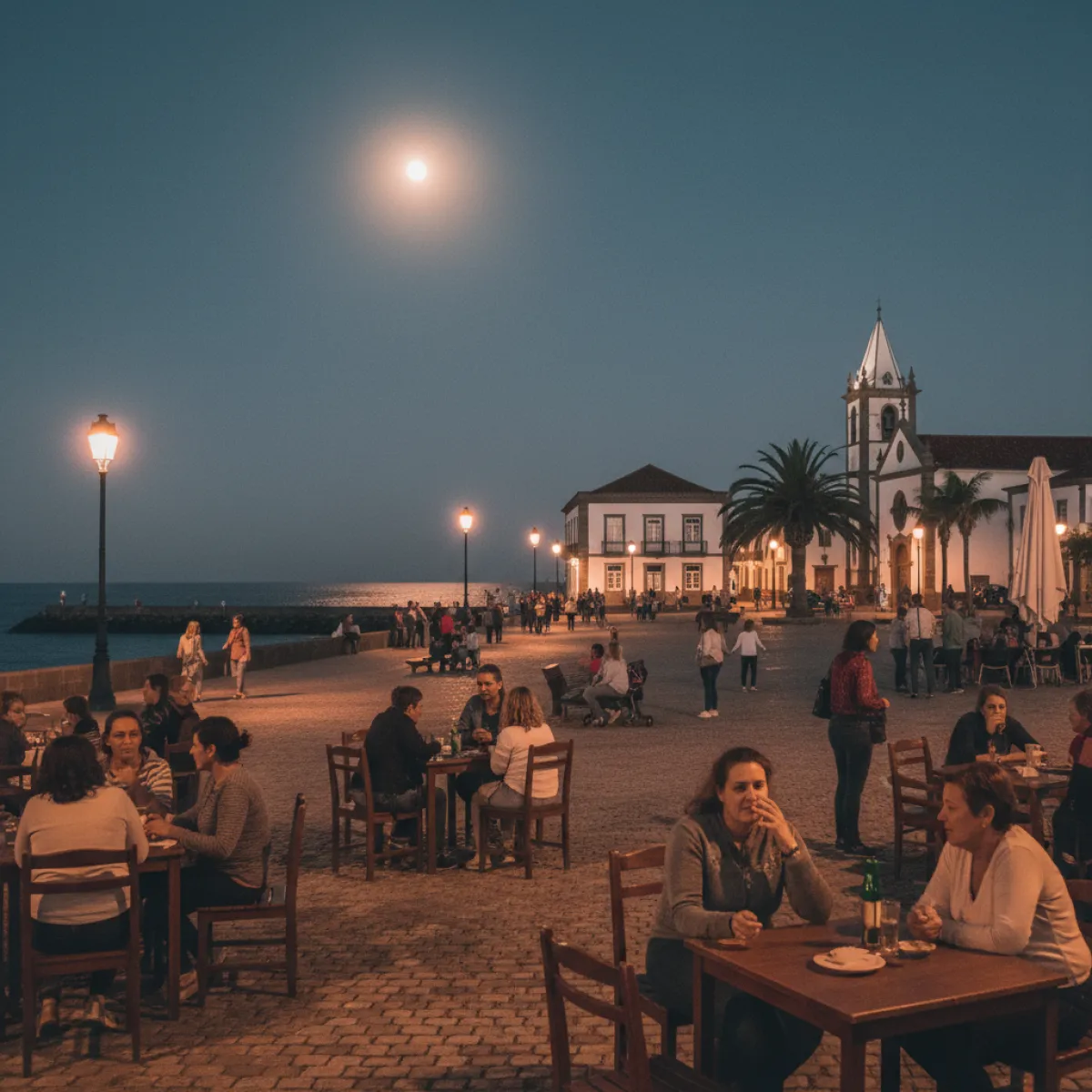
Let's get this out of the way: if you're looking for superclubs, international DJs, and velvet ropes, Ribeira Grande is not your city. Try Lisbon. Or at the very least, Ponta Delgada. But if you want to understand how a small Azorean city with real character spends its evenings, with live music in bars where everyone knows each other, impromptu sessions by the river, and the kind of socialising that can't be manufactured, you're in the right place.
Ribeira Grande is São Miguel's second-largest city, but it operates with the intimacy of a village. And that's precisely what makes its nights worth experiencing. Here, live music doesn't happen on a stage with €40 tickets. It happens in the corner of a restaurant where the guitarist is the owner's cousin, or in a street bar where someone decided to bring their cavaquinho.
The Historic Centre: Where Everything Starts
The starting point is always downtown. The area around the Câmara Municipal and Rua da Matriz concentrates the handful of bars that keep Ribeira Grande awake past 10pm. Don't expect trendy signage or curated interiors, here, bars are identified by the noise coming from inside and the groups leaning against the doorframe with beers in hand.
On weekends, especially in summer, some spots organise live music nights. The repertoire ranges from Portuguese rock covers to informal fado and the occasional local band playing a bit of everything. The Azoreans have a strong musical tradition, brass bands, string groups, traditional call-and-response singing, and that naturally spills over into the nightlife scene.
One thing you'll notice quickly: the prices. A draught beer runs about €1.50 to €2, and a cocktail rarely exceeds €6. Compared to the mainland, drinking in Ribeira Grande is almost an act of charity towards your wallet.
Dinner First: Getting the Foundation Right
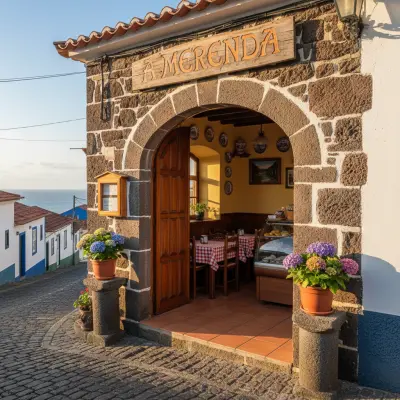
Nobody in Ribeira Grande goes out at night without eating first. And eating well. A Merenda is a local reference worth trying before any night-time plans. It's the kind of place that Ribeira Grande residents recommend with pride, and in the Azores, that's generally the best quality indicator there is.
The advice? Don't rush. Azorean dinner is a social event, not a logistical pit stop before the night. Sit down, order regional wine, try whatever fresh fish is available, and let the evening unfold at its own pace. The best plans in Ribeira Grande are the ones you don't force.
Live Music: What to Actually Expect
I'll be straight with you: there's no fixed live music circuit in Ribeira Grande like you'd find in larger cities. What exists is an organic scene fuelled by popular festivals, recreational associations, and bars that occasionally bring in bands to play.
The Festas do Espírito Santo (Holy Spirit festivals), running through the summer months between May and September with peaks varying by parish, are probably your best chance of catching live music. Each parish organises its own festivities with a stage, brass bands, and on the bigger nights, regional artists. It's at these festivals that you'll understand the real musical culture of the Azores, not in bars with pretty flyers.
Outside festival season, the best approach is to ask locally. There's no app for this. The barber knows. The café waiter knows. The bakery lady knows. Information in Ribeira Grande travels by word of mouth, and that's part of the charm, or the frustration, depending on your temperament.
Brass Bands and Tradition
If you have genuine musical curiosity, try to catch a rehearsal or performance by one of the local filarmónicas. Ribeira Grande has several brass bands with decades of history, and their concerts, usually outdoors, at festivals or celebrations, are something special. Brass instruments echoing through narrow streets, kids and grandparents in the same band. It's a living tradition, not a museum piece.
The Night Stretches On: What to Do After
Let's say it's 11pm, you've had dinner, you've had a few beers, and you want more. In Ribeira Grande, the night doesn't extend the way it does in Ponta Delgada. Most bars close between 1am and 2am, and the city retreats without fuss. But that doesn't mean it's over.
The honest option? Ponta Delgada is 20 minutes by car. That's where the DJ bars, nightclubs, and late-night spots are. If you need a long, loud night, that's where you should head. Anyone wanting to explore Ponta Delgada's food scene can combine both: an epic dinner and a night with more options.
But before you flee to the island's capital, consider the Ribeira Grande alternative: walk down to the riverside, sit by the water with a bottle of wine, and listen to the quiet broken only by the river. It's not a programme for everyone, but it's genuinely good.
Summer Changes Everything
From June to September, Ribeira Grande transforms. The emigrants return, the festivals multiply, bars stay open later, and the city gains an energy that the rest of the year simply doesn't have. This is when outdoor concerts appear, themed nights emerge, and there's that feeling of everyone being out on the street at once.
The Sanjoaninas (St. John's celebrations in June) and the various parish summer festivals bring temporary stages, food stalls with local bites and drinks, and music into the small hours. If you're planning a visit with nightlife in mind, summer is the only correct answer.
Beyond the Night: The Morning After
One of the best things about going out in Ribeira Grande is what comes next. If you wake up early (or simply never went to bed), you can head straight for Santa Bárbara beach and catch a dawn surf session on the black sand. The hangover is optional, the waves are not.
If you prefer something gentler, the Gorreana and Porto Formoso tea plantations are a short drive away. An Azorean green tea is probably the best cure for a night well spent, and visiting these estates in the morning, with the mist still lifting, is an experience that justifies having left the house.
Practical Tips, No Fluff
- Transport: Don't count on public transport at night. Car or taxi. If you plan to drink (and you should), arrange a ride or use local taxis, they exist, but it helps to have a number saved. Ask at your hotel or restaurant.
- Cash: Many smaller bars prefer cash. Bring some.
- Dress code: Non-existent. Jeans and a t-shirt are the norm. Show up overdressed and you'll stand out, and not the way you want.
- Days: Friday and Saturday are the only nights with consistent activity. Weeknights, the city sleeps early and without remorse.
- Information: Check locally for what's on that evening. Social media posts from bars (when they exist) and word of mouth are the only reliable sources.
The Verdict
Ribeira Grande is not a nightlife destination. And it doesn't pretend to be. What it offers is different: short but intensely social evenings, music that appears spontaneously, and an authenticity that no designer cocktail bar will ever replicate. If you came to the Azores looking for clubs, you picked the wrong archipelago. But if you want to understand how Azoreans actually socialise after dinner, around a table, with music, wine, and conversation that doesn't end, Ribeira Grande shows you exactly that.
And if you need more island, remember: Horta on Faial has rooftop spots with panoramic Atlantic views and its own cosmopolitan energy that pairs well with an Azores trip. But that's another island and another story.