Ribeira Brava: Where the Locals Actually Eat
In Ribeira Brava, a full lunch with espetada, milho frito, and poncha costs half what you'd pay in Funchal. This guide covers where the locals actually eat, from the municipal market to the seafront.
Ribeira Brava has a perception problem. Most visitors pass through on their way to Encumeada or Paul da Serra, stop for a selfie on the promenade, eat something forgettable at the first café they see, and move on. That's a mistake. Because this compact, unpretentious south coast town is exactly the kind of place where you eat well in Madeira: no ceremony, ingredients that arrived hours ago, and prices that Funchal forgot years back.
The Municipal Market: Start Here
If you want to understand what Ribeira Brava eats, start at the Mercado Municipal. The building dates from the 19th century, was rebuilt in the 1990s, and the azulejo tiles inside are worth a pause on their own. But what matters is on the trays: Madeiran passion fruit, custard apples, local bananas that have nothing in common with what you find on the mainland. The fish section is small but honest. If you go early, before ten, you'll see locals choosing black scabbardfish with the seriousness of someone making a life decision, because they are.
Don't buy fruit without tasting first. The vendors always offer a slice, and that's how you discover that a ripe custard apple from Ribeira Brava is an entirely different thing from what comes shrink-wrapped in a Lisbon supermarket. Take passion fruits home, they're cheap and perfect for the next morning's breakfast.
Espetada: The Dish That Defines the Island
Madeiran espetada, beef on a laurel-wood skewer grilled over embers, is the dish that defines this island. And Ribeira Brava is a good place to eat it without Funchal's tourist markup. D. Luís Restaurante is a family-run place that's been feeding locals for decades. The espetada here comes as it should: on the laurel skewer, hung from the iron stand, with milho frito (fried cornmeal cubes) and bolo do caco on the side. Don't overcomplicate things. Order the espetada and a jug of house wine. If you want fish, the catch of the day is always a safe bet.
A Parada Brava is another option the locals know well. Home-style cooking, generous portions, a bill that won't make you flinch. It's the kind of restaurant where the owner knows half the customers by name. If you're properly hungry, start with the petiscos: grilled limpets if available, and milho frito that's still made right here, crispy outside and soft within.
Bolo do Caco: Simple, Perfect, Addictive
I need to talk about bolo do caco because it's the most underrated thing in Madeiran food. It's a flatbread made with flour and sweet potato, cooked on a hot stone, and eaten with garlic butter. Sounds simple. It is simple. And it's completely addictive. In Ribeira Brava, you'll find bolo do caco at nearly every restaurant, but the best ones make it fresh, in limited batches. Always ask if it's made on site, because the difference between fresh bolo do caco and a reheated one is the difference between dining and just eating.
Pair the bolo do caco with poncha, the drink that is practically Madeira's lifeblood. Sugarcane spirit, honey, and lemon, stirred with a wooden stick called a caralhinho (yes, that's its real name, and Madeirans love watching tourists' faces when they explain it). The original poncha is lemon, but in Ribeira Brava you'll find passion fruit and tangerine versions that are equally good.
On the Seafront: Fish with a View
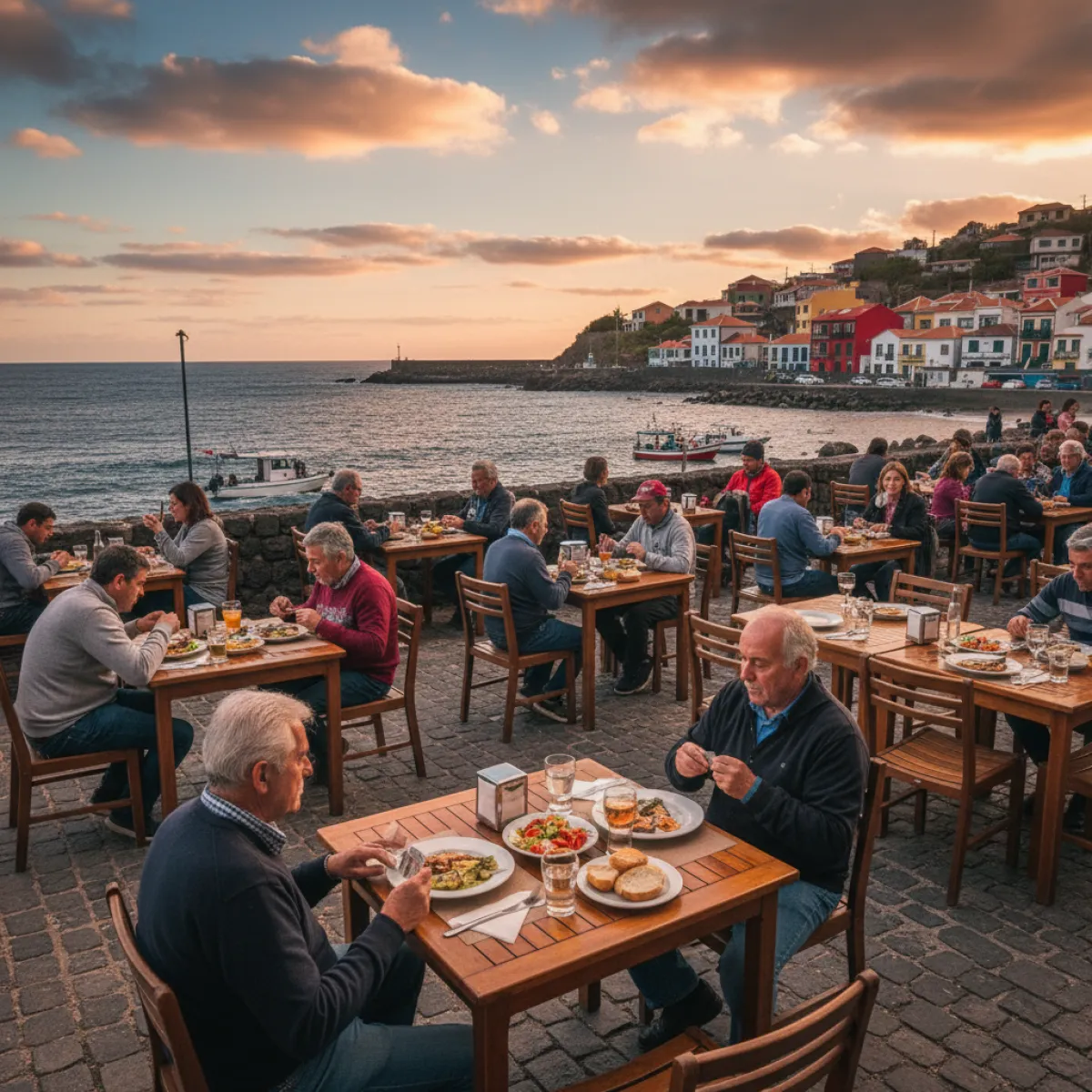
Ribeira Brava's waterfront promenade is short but pleasant, and this is where you'll find the restaurants with terraces facing the sea. Borda d'Água is the best known, and deservedly so: fresh fish, grilled without fuss, served with an Atlantic view. Espada com banana, Madeira's most emblematic dish, is a good choice here. If you've never tried it, brace yourself: black scabbardfish, ugly as sin but with delicate white flesh, served with fried Madeiran banana. Sounds odd. Works perfectly.
For a sunny terrace lunch, Borda d'Água is hard to beat. But go on a weekday if you can. On weekends, especially in summer, the promenade fills with Funchal residents who come down for the sun and the restaurants get busier.
After Lunch: Culture and Digestion
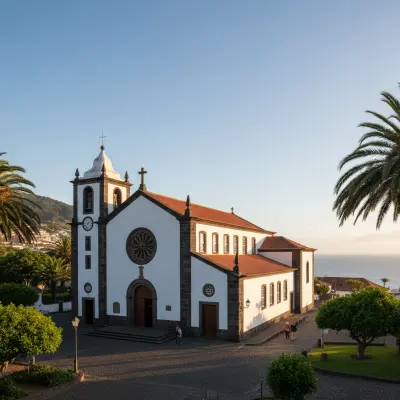
With a full stomach, walk to the Igreja Matriz de São Bento. It's one of Madeira's most beautiful churches, with an interior that deserves more than a hurried visit: gilded woodwork, Flemish panels, and a 15th-century Manueline baptismal font that has survived everything. It's the kind of monument that gains depth when you visit without rushing, after a good lunch, when you're in the mood to notice details.
If you're planning more days in Madeira and want to combine this visit with other experiences, our guide to Funchal's levada walks in April is a good starting point for hikers. And if you want to explore the north of the island, it's worth reading our 24 hours in Santana itinerary, another town where the local food is surprisingly good.
The Petiscos You Cannot Skip
A meal in Madeira without petiscos is like going to the beach without a towel. Before the main course, always order:
- Grilled limpets with garlic butter. Small, briny, tasting of concentrated ocean. You eat them by prying them from the shell with a toothpick.
- Milho frito. Cubes of cornmeal fried until golden. Simple, crunchy, perfect with a cold beer.
- Tomato and onion soup with a poached egg. The most Madeiran soup there is. Comforting and cheap.
These petiscos exist everywhere, but quality varies. In Ribeira Brava, the smaller family-run restaurants tend to do them better because they're not cooking for two hundred people at once.
What It Costs to Eat Here
Ribeira Brava is cheaper than Funchal, and you'll feel it. A full lunch with petiscos, main course, drink, and coffee frequently comes in under 15-18 euros per person at local restaurants. A poncha costs between 2 and 4 euros, depending on the place. At the market, a bag of fresh fruit won't reach 5 euros. Check locally for exact current prices, because inflation has spared no one, but the value for money remains excellent compared to Funchal.
Getting There and When to Go
Ribeira Brava is about 30 minutes from Funchal via the Via Rápida (ER101). There are Horários do Funchal buses that make the trip, but a car gives you far more freedom to explore the coast. Parking in town is relatively easy outside peak summer months.
For eating, the sweet spot is lunch. Restaurants in Ribeira Brava live for the midday meal. Many close or reduce service at dinner, especially during the week. Arrive between 12:30 and 1:30pm to find everything fresh and the kitchen at its best. On Saturday mornings, combine the market with lunch: shopping first, then the table.
And if your visit to Ribeira Brava sparks curiosity about more of Madeira's local craft and culture, our guide to Santana's artisan crafts is useful reading for anyone who likes to bring something genuine home in their suitcase.
The Verdict
Ribeira Brava isn't the place for sophisticated dining or tasting menus. It's the place to eat like Madeirans eat: generously, simply, with ingredients that taste like what they are. If you give lunch an hour instead of ten minutes at a drive-through stop, this town rewards you with one of the island's best food experiences. No Michelin stars, no influencers at the door. Just honest food, a poncha in hand, and the Atlantic in front of you.