Ribeira Brava: What Stays After the Tour Buses Leave
Most visitors pass through Ribeira Brava in forty-five minutes flat. But this is one of Madeira's oldest settlements, home to a church with Brussels-exhibited art, a distillery turned ethnographic museum, and the best glass of poncha on the island just ten minutes up the road.
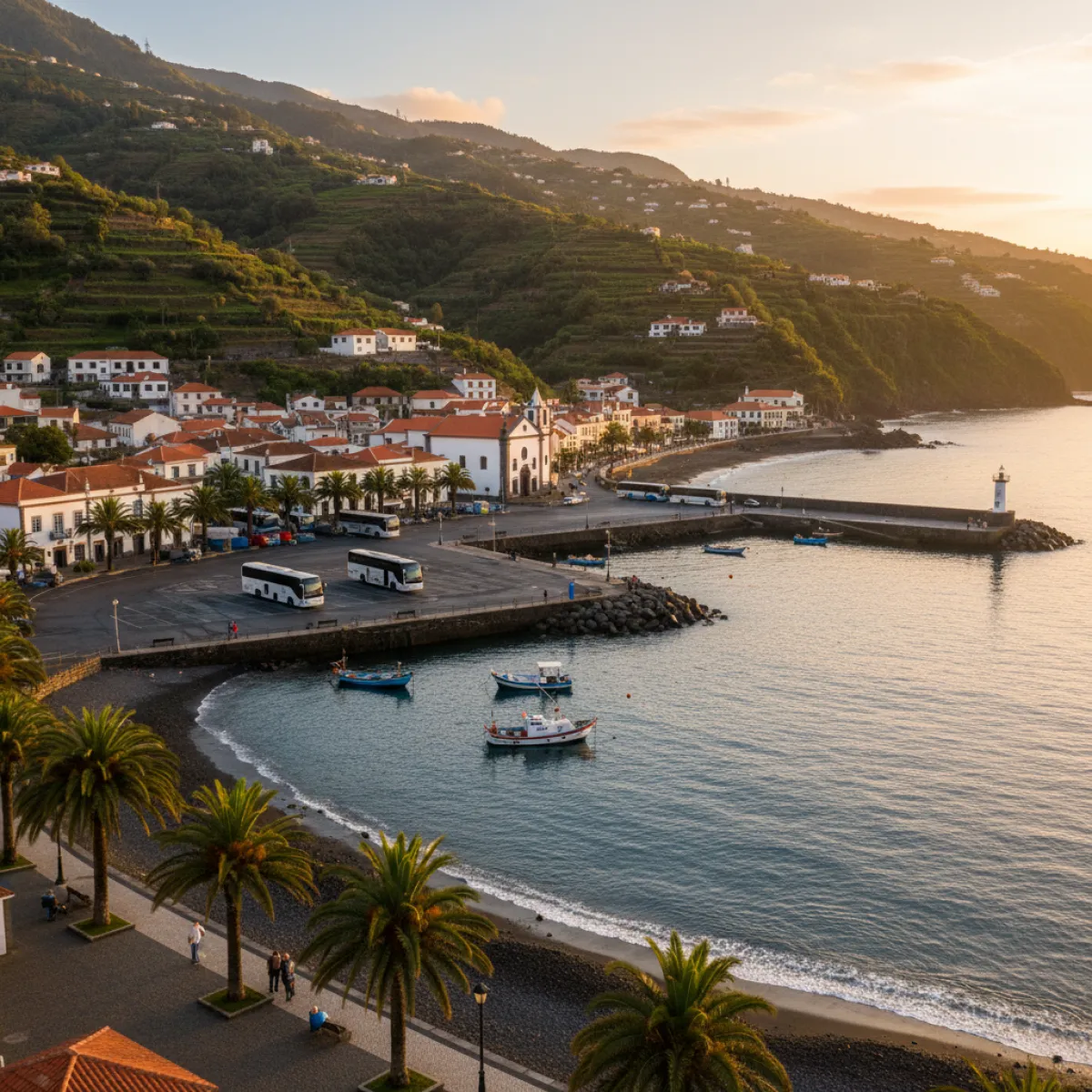
Most visitors to Madeira experience Ribeira Brava for about forty-five minutes. They step off the coach, photograph the seafront, eat a custard pastry near the fort, and ride back to Funchal before lunch. That's a mistake. Ribeira Brava is one of the oldest settlements on the island, founded shortly after 1419, and the kind of place that only starts to make sense when you stay for the afternoon.
A church holding museum-grade art
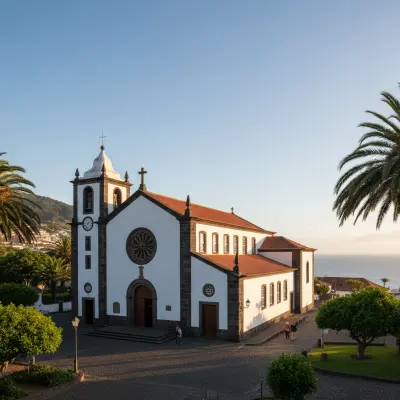
Start at the Igreja Matriz de São Bento, right in the centre. From outside, it's handsome but understated. Inside, it's a different story. Built in the 16th century over the remains of a smaller 15th-century chapel, it blends Manueline, Mannerist, and Baroque elements with the kind of ease that only centuries can produce. The Manueline baptismal font alone is worth the stop. But what genuinely surprises is the collection of 16th and 17th-century paintings and goldwork, important enough that pieces from here have been exhibited at the Royal Museum of Fine Arts in Brussels. In a parish church in a town most people treat as a bus stop. Let that sink in.
Entry is free. Go early morning, before ten, when light streams through the side windows and the tour groups haven't arrived.
The museum nobody knows about
Two minutes on foot from the church, at Rua de São Francisco nº 24, you'll find the Madeira Ethnographic Museum. Housed in a former sugarcane brandy distillery, the building tells a story before you even reach the displays. Architect João Francisco Caíres converted the industrial space into a thematic walk through everything Madeira was before tourism arrived: wine and grain cycles, fishing, linen weaving, transport, traditional commerce. There's a reconstructed grocery shop that smells like another century.
Open Tuesday to Friday from 9:30am to 5pm, weekends from 10am to 12:30pm and 1:30pm to 5:30pm. Closed Mondays. The ticket costs a few euros (check locally for the current price). If you visit one museum outside Funchal, make it this one.
The fort that became a tourist office
The São Bento Fort on the seafront was built in 1708 to fend off the corsairs who regularly tried their luck along Madeira's coastal villages. Today it functions as the tourist information office, which has a certain irony. It's not worth a long visit on its own, but it's the right place to ask for a walking trail map and get an update on levada conditions. The staff there know the area better than anyone.
Serra de Água and poncha done properly
If you have a car, or don't mind a short taxi ride, take the road from Ribeira Brava up to Serra de Água. It's under ten minutes. Halfway up, on the roadside, sits Taberna da Poncha. You can't miss it: it's small, there are always people gathered outside, and you can hear the clinking of spoons beating poncha in metal cups before you walk in.
Traditional poncha is sugarcane spirit, honey, and lemon juice, mixed right there in front of you. There are passion fruit and orange versions, but order the original first. It's strong. Two is plenty. A glass runs about €3 to €4 (check locally). The bar doesn't look like much, and that's precisely the point. If it looks polished, be suspicious.
Serra de Água, incidentally, is a deep green valley worth more than just the poncha stop. The road keeps climbing to Encumeada, at 1,007 metres, where a viewpoint gives you simultaneous views of the north and south coasts. On a clear day, you can see the Ribeira Brava valley on one side and São Vicente on the other. It's one of Madeira's most striking panoramas, and it's never crowded.
Fajã dos Padres: where the island ends in terraces
Technically within the Ribeira Brava municipality but closer to Campanário, Fajã dos Padres feels almost fictional. A strip of fertile land at the foot of a cliff nearly 300 metres high, accessible only by cable car or boat. The cable car drops 260 metres in just over a minute. At the bottom, there's a pebble beach, clear water, Malvasia grapevines (Madeira's oldest wine originates here), tropical fruit trees, and a restaurant. Bring a swimsuit and a towel. Cable car tickets and schedules vary by season: check locally before you go.
It's the kind of place where you lose an entire afternoon without noticing. Very different from Funchal's beaches, much quieter, with that rare feeling of being somewhere that hasn't been optimised for social media.
The market and what to eat
Back in town, the Ribeira Brava municipal market is small but genuine. Tropical fruit, flowers, some local crafts. The sweet potato grown here is famous across the island, and sugarcane is still cultivated in surrounding fields. Open Monday to Saturday. Go in the morning when local farmers bring what they picked that day.
For lunch, look for restaurants on the streets behind the seafront. The cooking in Ribeira Brava is Madeiran food without the filter: espetada on laurel skewers, bolo do caco with garlic butter, black scabbard fish with banana. Don't expect menus in five languages. Expect generous portions and bills that rarely pass €15 per person with wine.
Getting there and how long to stay
Ribeira Brava is about 30 minutes from Funchal on the Via Rápida (ER101). Regular Rodoeste buses (lines 7 and 142, among others) run from Funchal. The journey takes between 40 minutes and an hour depending on stops.
If you're only visiting the town itself, half a day is enough. But if you want to include Serra de Água, Encumeada, and Fajã dos Padres, set aside the full day. And if you're in Madeira in April, pair it with the levada walks around Funchal, which are at their best this time of year, before the summer heat sets in.
Beyond Ribeira Brava
Madeira isn't large, but each municipality has its own character. If Ribeira Brava gave you the taste for exploring beyond Funchal, consider a day in Santana on the north coast. Our 24 hours in Santana itinerary covers the essentials without rushing, and if you're into local crafts, there's a dedicated guide to Santana's crafts worth the suitcase space.
Ribeira Brava doesn't need anyone to invent charms for it. It just needs someone to stay long enough to notice them. It's a working town of farming, ocean, and mountain, where life carries on exactly as it did before, whether the visitor shows up or not. And in 2026 Madeira, that's increasingly rare.