Penafiel on Foot: Trails Ranked by Difficulty and Scenery
Everyone drives past Penafiel on the way to the Douro and almost nobody laces up their boots. Mistake. From the flat city park to the hard descents to the Sousa river, here are the town's trails sorted by difficulty and scenery, with a vinho verde tasting as the reward.
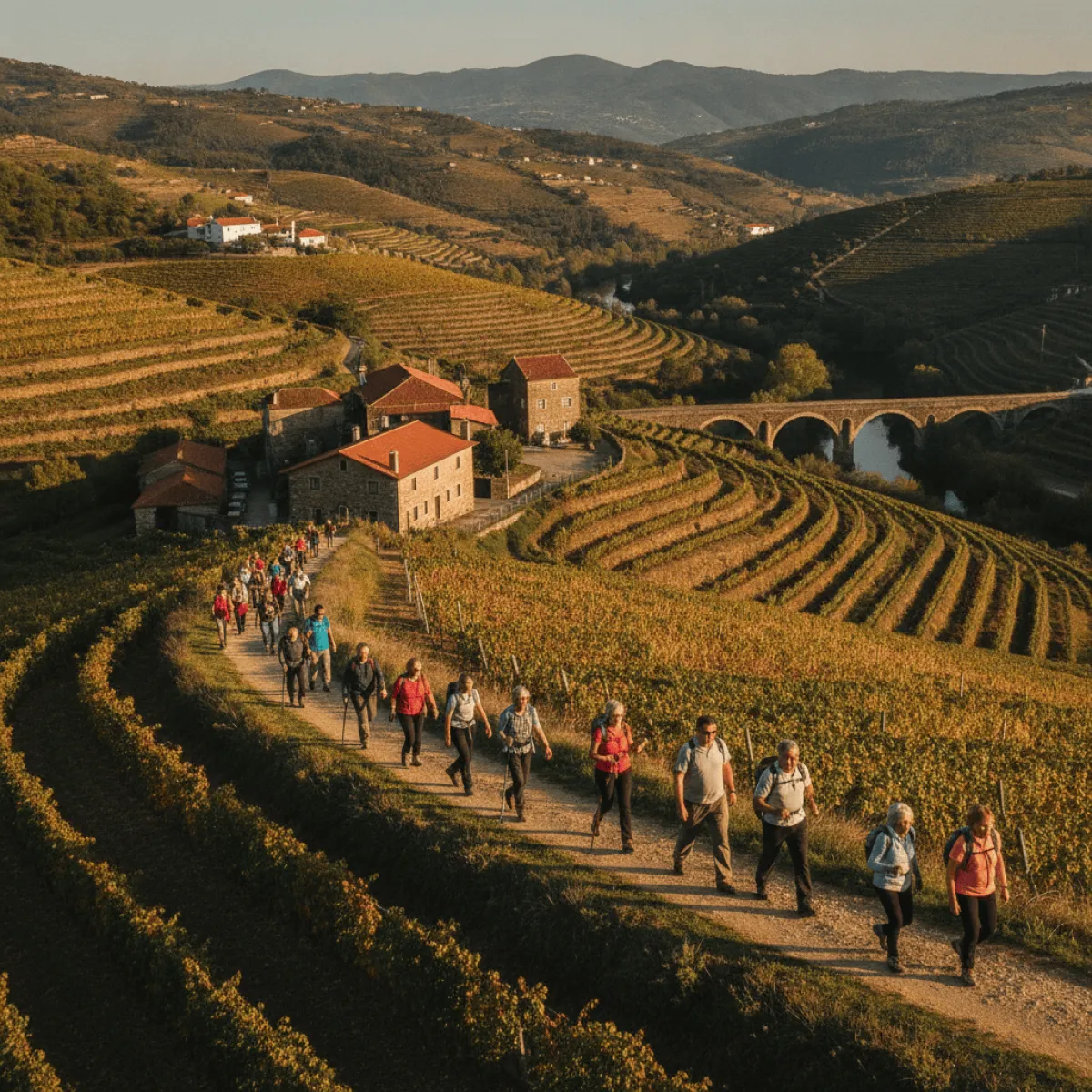
Penafiel doesn't sell itself. It sits forty minutes east of Porto on the A4, everyone drives past it on the way to Amarante or the Douro, and almost nobody stops to lace up their boots. Mistake. This is valley country: the Sousa river carving through granite, terraced vinho verde slopes, and Romanesque churches that look like they were planted in the twelfth century and then forgotten. Walking here is not an extreme sport. It's the right way to understand why this corner of the Vale do Sousa carries the heritage density it does. I've sorted what you can walk in Penafiel by difficulty and by what you actually see, from the Sunday stroll in trainers to the kind of route that asks for working knees. I won't invent distances I haven't verified: where there's doubt, check locally at the tourist office.
First, the ground and the season
Penafiel is deep north, which means two things. One, it's green because it rains, and it rains properly from November to March. The riverside trails turn slick and wet granite is treacherous, so the best window runs April to October, with May and September winning on points: mild temperatures, long light, and the vines either bursting or heavy with fruit. Two, the climbing here doesn't come from high mountains, it comes from a tight valley. You're constantly going up and down between the river and the village plateaus. It looks like nothing on a map and tires you more than you'd expect.
Bring water, because the fountains aren't always reliable, and shoes with grip, not city sneakers. And a practical note most people ignore: public transport to the rural trailheads is poor. If you come from Porto without a car, the most honest walk starts and ends in town itself.
Level 1: Easy, for everyone, parks and gardens
A loop of the city park
If you've never walked in Penafiel, start here. The Parque da Cidade de Penafiel is the perfect warm-up: flat paths, shade, a lake, and the not-insignificant advantage of toilets and cafes nearby. This is the trail I recommend for anyone travelling with kids, with grandparents, or simply wanting to stretch their legs without commitment. Go in the late afternoon, when the light drops across the grass and the town comes out to do its own lap. You can stack several loops and add distance without ever leaving comfort behind.
Half an hour of slow walking here won't turn you into a mountaineer, but it calibrates the legs and gives you the scale of the town before you start climbing to viewpoints.
Sameiro, a pocket-sized viewpoint
One step up in effort, but still firmly easy, is the Jardim do Sameiro, also called Parque Zeferino de Oliveira. It's a high-set garden with views over the valley, and the trick is to use it as the finish line of a walk up from the centre rather than driving there. The climb through the town streets warms the engine, and the reward at the top is the Sousa valley opening out below. Bring a snack. It's the kind of place where you end up sitting longer than you planned.
Level 2: Moderate, where the scenery pays the bill
The gardens and vines of Aveleda
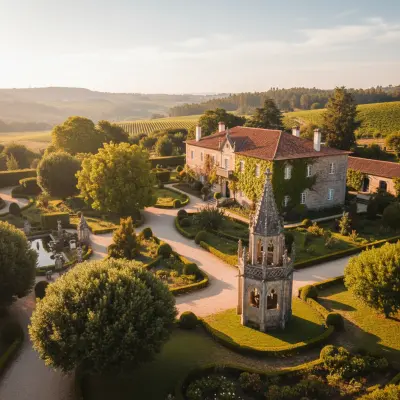
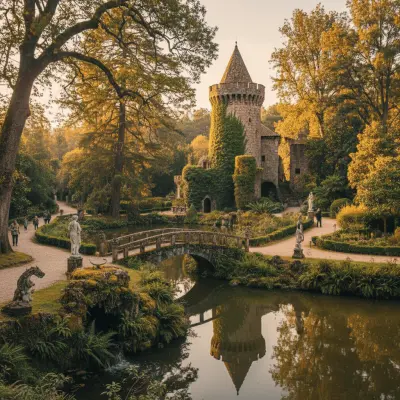
Now we get to what makes Penafiel worth the trip. Quinta da Aveleda is the home of the vinho verde you've probably drunk without knowing it came from here, and the best way to meet it isn't with a glass at the gate, it's on foot. The historic gardens of Quinta da Aveleda are a walk in their own right: box hedges, camellias, fountains, animals, and that romantic nineteenth-century garden design that you slow down for on purpose. The ground is well kept and flat, so the difficulty isn't the terrain, it's wanting to see everything, which easily eats a morning.
The natural next step is to extend the walk through the surrounding vine terraces. This is where Penafiel's landscape becomes genuinely photogenic: rows of vines, granite, and the green that gives the wine its name. And while we're on the subject, the best way to close a morning walk is the wine and cheese tasting at the estate itself. Walk first, drink after, never the other way around: the wet granite is slippery enough without help from the Loureiro. Confirm visit and tasting times in advance, because the estate runs on booking and busier seasons fill up.
The Sousa valley and the Romanesque on foot
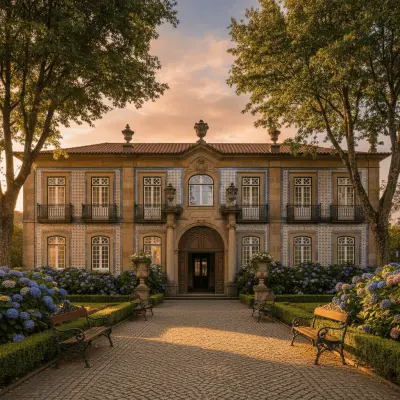
Penafiel is one of the unofficial capitals of the Route of the Romanesque, the circuit of churches, monasteries and medieval bridges across the Vale do Sousa. Most people do this by car, church to church, and miss precisely the good part: the rural paths that link the monuments, through terraces, chestnut groves and stone villages. Walking even one stretch between two Romanesque points completely changes the experience. I won't invent exact distances or official trail numbers here: ask for the current map at the Penafiel tourist office or at the route's interpretation centres, which mark the signed sections and the state of the paths.
What I can promise is the kind of effort. These are up-and-down walks on uneven ground, granite and packed earth, glorious in May when the fields are green and brutal at lunchtime in August. Start early. The morning light in the Vale do Sousa is the best the region has to give, and some people take that seriously enough to turn these paths into a photography exercise. If that's you, the photography tour through Penafiel's Romanesque heritage is the way to learn how to read this stone, guided by someone who knows the light and the angles.
Level 3: Hard, or at least demanding on the legs
Hard in Penafiel doesn't mean high mountains. It means dropping down to the river and climbing back out, several times, with weight on your back and sun overhead. The stretches along the Sousa, especially those descending to tight banks, old mills and bridges, are the ones that punish most, above all on the return, when what was a pleasant descent becomes a climb with no apparent end. Here the wet granite is a real hazard, not a figure of speech: after rain these paths demand a pole and a cool head.
If you want to stack distance and elevation, chain it together: start in the centre, climb to Sameiro, drop into the valley, pick up a stretch of the Romanesque route and return. It's a full day, and it's the only way to grasp Penafiel as one body rather than scattered points on a map. Carry lunch, because between villages there isn't always somewhere to eat, and rural opening hours are generous with the afternoon nap. Don't count on cafes open mid-afternoon outside the centre.
A word on navigation: the Route of the Romanesque is well signed at the monuments, but the walking sections between them vary in upkeep. Don't set off on a level 3 day on intuition alone. Use an offline map on your phone and, ideally, talk to the tourist office before you go, especially if you're solo.
How to plan the day, and the weekend
If you only have a morning, do the Aveleda gardens and the city park, eat in town and taste the region's vinho verde. If you have a full day and the legs for it, swap the gardens for a serious stretch of the Sousa valley and climb to Sameiro at the end of the day for the light. If you have a weekend, split it: one day of demanding walking, one day of Romanesque and tasting with a camera round your neck.
Penafiel also works beautifully as a base or as a stop inside a bigger plan. If you're building escapes from the big city, it's worth crossing this with our guide to the best day trips from Porto, because the morning-walk-and-afternoon-wine combination is exactly the sort of programme that justifies leaving town. And if you want to widen the route into the heart of the Minho, our guide to Braga fits neatly into a north made of churches, gardens and generous tables. If you happen to travel in spring, note that it overlaps with Holy Week in Braga, which shifts accommodation and roads across the whole north.
What to eat when the legs call a truce
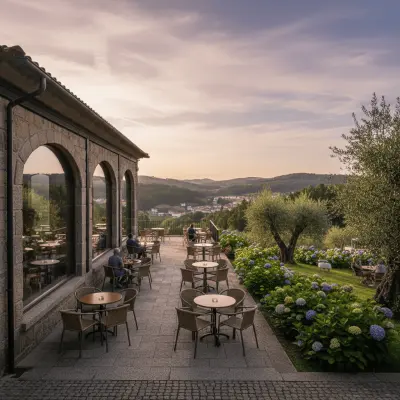
The self-respecting north rewards effort at the table, and the Vale do Sousa is no exception. I won't invent the names of restaurants I don't know well enough to vouch for, but I'll tell you what to look for: roast kid goat on Sundays, salt cod in all its forms, proper corn broa bread, and of course the region's vinho verde served well chilled. After a morning walk, a long lunch of cabrito and a bottle of Loureiro or Alvarinho is the correct definition of time well spent. Ask where the people who work here eat, not where the coaches stop. The answer is usually a street away from the obvious places.
The essentials, no fluff
- Best season: April to October. May and September are the sweet spot. Avoid river trails after heavy rain.
- Easy: city park and Jardim do Sameiro. Flat, safe, good for all ages.
- Moderate: Aveleda gardens and vine terraces, plus signed stretches of the Romanesque route.
- Hard: descents to the Sousa and a centre-Sameiro-valley-Romanesque chain in one day. Pole recommended.
- Logistics: come by car for the rural points. Without a car, stick to the town and gardens.
- Check locally: Quinta da Aveleda hours, the state of the walking sections, and up-to-date Romanesque route maps.
Penafiel pays those who walk. It isn't a quick-photo-from-the-car-window town: it's a town for legs, for climbing to the viewpoint, dropping to the river, crossing the vines to the Romanesque stone. Lace up, start early, and save the wine for after the last climb.