Gouveia: Five Day Trips Worth the Drive
Gouveia is quiet, but it sits at the centre of everything. Manteigas is 30 minutes away, the Schist Villages under an hour, Linhares da Beira just 20. Five day trips, five different landscapes, none more than 60 minutes out.
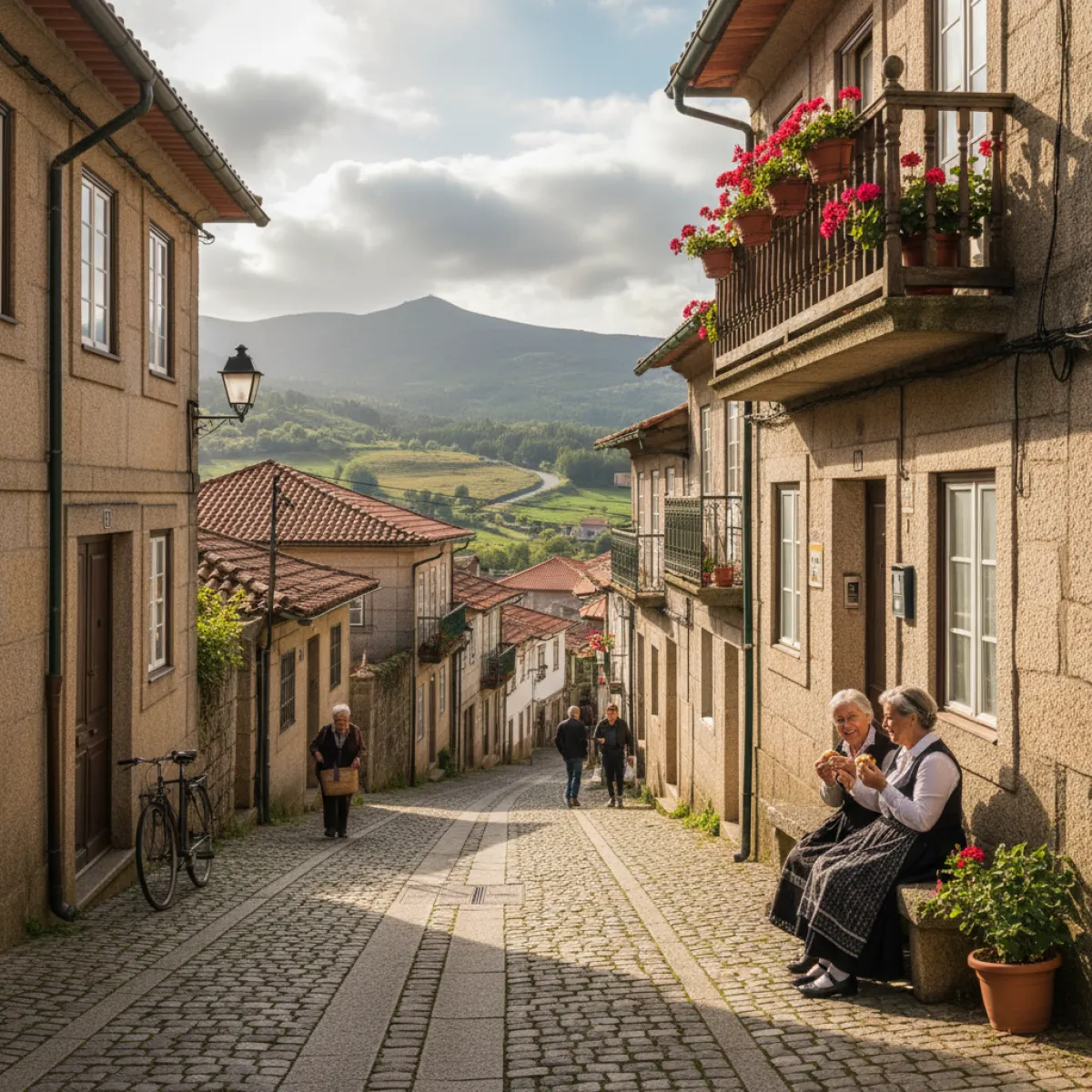
Gouveia has the kind of quiet confidence that comes from not needing tourists to survive. Morning coffee at the cafés on Rua da República is still a ritual of espresso, toast, and unhurried conversation about cheese prices and weather. The town itself is pleasant, walkable, and relatively untouched by the kind of tourism that has reshaped parts of Lisbon and the Algarve. But here is the thing most visitors miss: Gouveia is one of the best base camps in central Portugal for day trips.
Before heading out, start with what is right in front of you. Walk up to Monte do Calvário first thing in the morning. The view from the top gives you a mental map of the entire Serra da Estrela ridge stretching south. On a clear day, you can trace the routes you will be driving over the next few days. Think of it as orientation with a view.
Manteigas and the Glacial Valley
The first trip I would recommend is Manteigas, about 30 minutes east by car. The drive alone is worth it. The N232 climbs through pine forests and granite boulders, then drops into one of the most dramatic glacial valleys in the Iberian Peninsula. The Zêzere Glacial Valley is the kind of landscape that makes you pull over and just stare.
Manteigas itself is a small, compact town wedged between mountains. You can walk the centre in twenty minutes, but the real draw is hiking. The Snow Wells trail is probably the most iconic hike in the Serra da Estrela: roughly 12 kilometres round trip along the valley floor, passing circular stone structures where snow was stored centuries ago for transport to Lisbon. Our guide to hiking the Snow Wells trail in Manteigas covers the logistics in detail.
For lunch, look for a restaurant in the centre serving roast kid goat or river trout. I will not invent restaurant names, but ask any local and they will point you to the right spot within seconds. Expect to pay around 12 to 18 euros per person for a full meal with regional wine.
The Schist Villages via Covilhã
The second trip takes you about 50 minutes south to Covilhã, a city built into the mountainside with absurd views over the Cova da Beira valley. But Covilhã is really just the jumping-off point. The reason to drive this direction is the Schist Villages.
The Aldeias do Xisto are a network of restored mountain villages built from dark schist stone. They look particularly striking in late afternoon light, when the stone seems to glow. Villages like Piódão (technically in the Arganil municipality, but reachable from this route), Janeiro de Cima, and Janeiro de Baixo are the standouts. Our one-day road trip from Covilhã to the Schist Villages gives you the full itinerary with stops, timing, and practical tips.
One important note: roads to some of these villages are narrow and winding. Not difficult, but they demand attention. Fill up your tank before leaving, because petrol stations are rare in deep rural Portugal.
Fundão and the Cherry Blossoms
If you are in Gouveia between late March and mid-April, there is one trip you absolutely cannot skip: Fundão and the cherry blossom valley. The Fundão region is Portugal's largest cherry producer, and when the trees bloom, the hillsides of the Serra da Gardunha turn into something that looks like it belongs in Japan, except with cured ham and Serra cheese instead of sushi.
The drive from Gouveia to Fundão takes about an hour via the A25 and then local roads. The blossoms concentrate on the slopes around villages like Alcongosta and Soalheira. It is an ephemeral spectacle, lasting two to three weeks at most, and the timing shifts each year depending on the weather. Our guide to seeing cherry blossoms in Fundão has everything you need to know about timing, parking, and which villages to visit.
Even outside cherry season, Fundão is worth the drive. The town centre has been revitalized in recent years, with a growing food scene and a municipal market selling regional fruit at absurdly low prices.
Seia and the Bread Museum
The shortest trip from Gouveia is Seia, just 15 minutes away by car. Seia and Gouveia have a long-standing rivalry over which town is the true gateway to the Serra da Estrela. Locals take this competition more seriously than you might expect.
The main attraction in Seia is the Museu do Pão, housed in a large building on the edge of town. The name does not exactly scream excitement, but the museum is surprisingly good. It traces the history of bread from ancient civilizations, has a working bakery where you can buy freshly baked loaves, and includes a section on bread's role in mountain culture. Admission is just a few euros, and it makes for a perfect morning activity.
After the museum, head into Seia's centre for lunch. The food here is similar to Gouveia: kid goat, cured meats, Serra cheese, and rye bread. A full lunch with soup, main course, dessert, and coffee rarely exceeds 15 euros.
From Seia, you can also take the road up to Torre, the highest point in mainland Portugal at 1,993 metres. The road is paved all the way to the top. In winter you may need snow chains, but the rest of the year any car can make it. At the summit, the lunar landscape and the biting cold, even in June, make you feel like you have left Portugal entirely.
Linhares da Beira: The Castle Above the Valley
My final suggestion is Linhares da Beira, a historic village about 20 minutes from Gouveia. If one day trip captures everything that makes the Serra da Estrela special, it is this one.
Linhares has a medieval castle perched on a rocky spur, with views that seem almost unreasonable. The village itself is tiny, all stone, with an atmosphere that on weekdays is near total silence. There is a Romanesque church, a former Jewish quarter marked with crosses carved into stone, and a charter from Portugal's first king, Afonso Henriques. Linhares is also well known among paragliders, as the thermal currents rising from the valley are ideal for long flights. Tandem flights are available through local operators. Check prices and availability locally.
To return to Gouveia, you can take the direct municipal road back, or make a detour via the São Domingos viewpoint for one more look over the Mondego valley.
Practical Tips for All Five Trips
- Gouveia has a petrol station at the edge of town heading toward the serra. Always fill up before leaving.
- Public transport exists but is sparse. A car is essentially mandatory for these trips. If you do not have one, ask locally about transfer services.
- May through October are the best months for hiking. In winter, altitudes above 1,200 metres may have ice or snow.
- Bring an extra jacket, even in summer. Temperatures on the serra can drop 10 degrees in minutes when fog rolls in.
- Serra da Estrela DOP cheese is sold by producers along many of these routes. Buy directly from the producer and pay less than you would at tourist shops in Lisbon.
Gouveia is not the kind of place that ends up on magazine covers. And maybe that is exactly why it works so well as a base. It sits at the centre of everything without the chaos of everything. Five day trips, five completely different experiences, none more than an hour away. If that is not a good argument for staying more than one night, I do not know what is.