Fundão Cherries: A Sweet June Tradition in Cova da Beira
In June, Fundão smells of cherries: 80% of Portugal's harvest comes from these Gardunha slopes. A practical guide to telling Saco from Burlat, eating well, sleeping easy, and not missing the Cherry Festival.
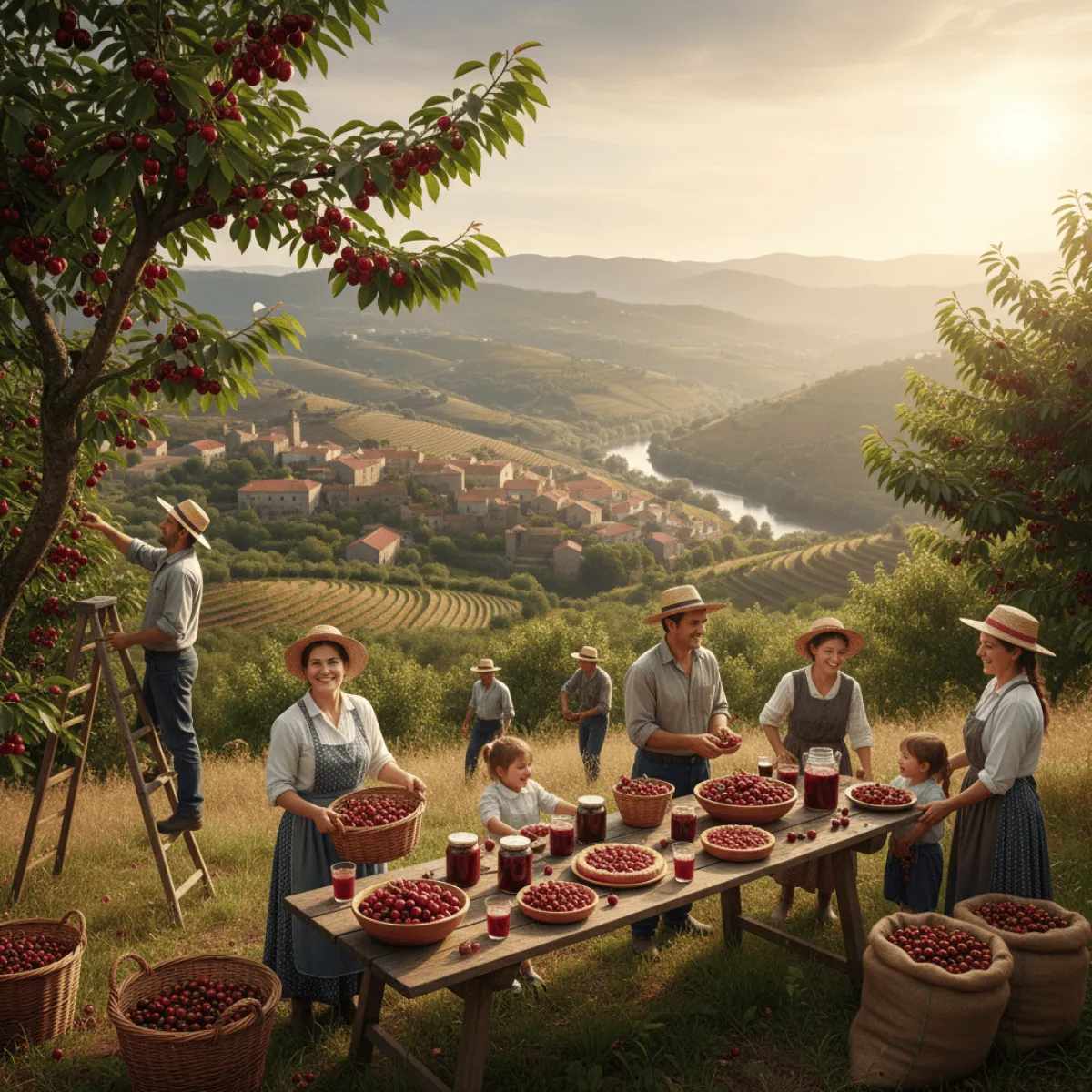
There's a moment, somewhere between the first and last week of June, when Fundão stops smelling of spring and starts smelling of cherries. This is not a literary flourish: it's the fruit being unloaded by the ton at the Municipal Market before 8am, the juice dripping from plastic crates on market stalls, the red that stains the hands of anyone who tries one on the street and then ends up buying a kilo. The Cova da Beira produces around 80% of Portugal's cherries, and in June the town runs on that fact alone. Anyone arriving expecting a picturesque rural experience gets something else: an entire economy in harvest mode, with refrigerated trucks leaving for Spain and France at four in the morning.
This isn't a nostalgic dispatch about country traditions. It's a practical guide for anyone wanting to understand why this particular cherry costs twice what you'd pay in a supermarket, where to eat them at their peak, and what to do in Fundão during the days when the whole region vibrates red. A warning up front: if you arrive on the first weekend of June expecting a quiet town, forget it. Book a bed well in advance or prepare to sleep in Covilhã.
Why the Fundão cherry is different
The Cova da Beira Cherry has held Protected Geographical Indication status since 1996, meaning that to use the name it must actually come from here, from the slopes of the Serra da Gardunha between 400 and 800 metres of altitude. Anyone interested in such things will tell you that the combination of granite soil, the temperature swing between day and night, and the sun exposure on south-east facing slopes produces fruit with more sugar and firmness than average. Anyone who just wants to eat it will tell you it snaps differently in the mouth.
The dominant varieties are Burlat (the earliest, in late May), Saco (the real local star, in June), Sweetheart, and Lapins. If you go to the market and ask for cherries and the seller asks "which one?", know that Saco is the variety locals eat at home, darker, firmer, with that concentrated flavour that makes two kilos disappear over a weekend without anyone noticing how. Burlats are pretty for photos, but if you come early in the month they're not at their peak. Come back mid June.
The price, no illusions
In season, expect to pay between 4€ and 8€ per kilo at Fundão markets, depending on variety and size. The larger calibres (extra category) can reach 10€ if they're organic. Yes, it's more than mainland supermarket prices, and there's a reason: what you see at the supermarket for 2,99€ is rarely Cova da Beira, and even when it is, it was picked days earlier and refrigerated. Here you buy fruit picked at dawn that still has the temperature of the orchard. It's worth paying the difference. Buy two kilos. You'll want them.
The Cherry Festival: the event that defines the month
The Fundão Cherry Festival generally takes place on the first or second weekend of June. Check dates on the Câmara Municipal website before booking, because the calendar shifts slightly with the agricultural year. For three or four days, the town fills with producer stands, restaurants serving themed menus, concerts in the garden, tasting sessions led by agronomists and growers, and inevitably, queues for everything.
Advice from someone who's been several times: hit the market early, before 10am, before the coach tours arrive. That's when the real business happens, when all the varieties are still available, and when you can actually talk to producers without being rushed. By afternoon, the Praça Velha is heaving. At night, there are concerts, usually popular music with some bigger acts that rotate through the region. Don't expect Primavera Sound. Expect folk groups, brass bands, the occasional guest fado singer, and all of it working very well with a glass of Beira Interior wine in your hand.
Beyond the festival: cherry on the table
Fundão restaurants shift into cherry mode through June. Expect dishes like roast kid with cherry sauce, cherry desserts (Portuguese clafoutis, tarts, semi-frozen creations), cherry liqueur served as a digestif, and even bolder versions like cherry gazpacho at some more modern places. Always ask whether the cherry is actually from the region, because unfortunately not every establishment resists the temptation of imported fruit when prices spike.
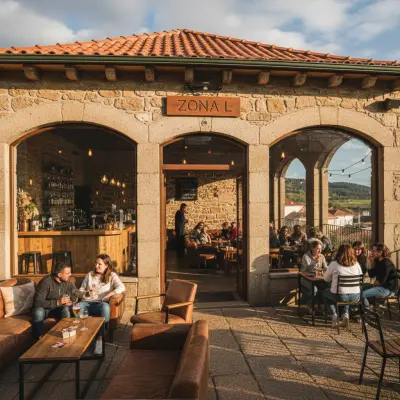
For the late night, there's the nightlife possible in a town this size. Zona L Bar is the spot for a beer or a gin tonic after dinner, with a terrace that fills as soon as the temperature drops. Don't expect a sophisticated lounge, it's a small-town bar, but it has atmosphere, people, and stays open late enough to wind down the night properly.
Where to sleep, and why advance booking is non-negotiable
Fundão has beds for a few thousand people, and during the Cherry Festival everything is full. This is not an exaggeration: start looking in March if you want to catch the big weekend. For visitors coming outside those specific days, there's still availability in June, but reserve one to two weeks ahead.
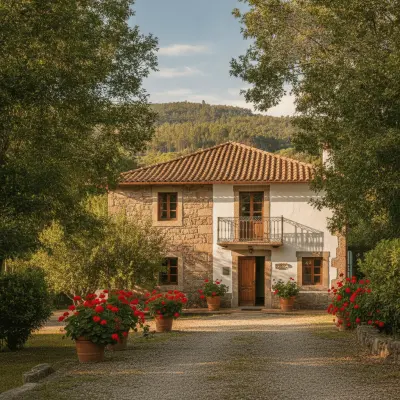
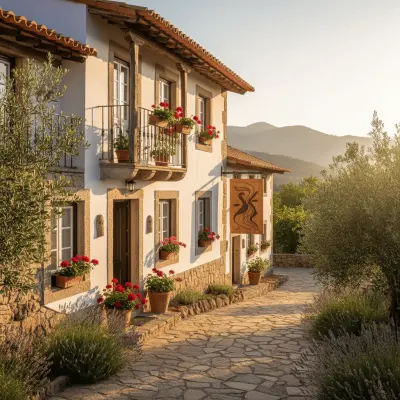
For couples or travellers who want apartment comfort without losing the feel of the town, the Gardunha Apartments offer modern units a few minutes from the centre, ideal for anyone staying three or four nights who wants to make breakfast at home before heading out for early morning cherry walks. Anyone preferring rural charm with creaking wooden floors and windows facing the sierra should look at Rustic House Fundão, a place with clear personality and a homemade breakfast worth mentioning. For backpackers, solo travellers, or those doing a Beira road trip who just want a clean bed at a good price, Casas da Mina Hostel solves the problem without fuss, with the bonus of striking up conversations with other travellers in the shared kitchen.
What to do between cherries
Coming to Fundão just for the fruit is a waste. The region offers the kind of things that justify a three or four day stay, provided you plan a little.
Mornings in the orchards
Some farms in the area allow visits and hand-picking (the so-called U-Pick), generally by prior arrangement. Ask at the Tourist Office on Praça do Município, they have an updated list that changes from year to year. The best time to go is between 8am and 10am, before the heat sets in. Bring a hat, water, and closed shoes, because tall grass hides what it hides.
For anyone wanting to understand the full cycle of the cherry tree, it's worth reading our guide to the cherry blossom season in Fundão, which covers the other moment of the year when the Gardunha transforms, in March and April, when everything turns white and pink. It's the other face of the same story: for there to be cherries in June, there must be blossom in March. Both seasons are worth knowing.
Culture for the hotter days
When the thermometer pushes past 30 degrees mid-afternoon (and in June it almost always does), taking refuge in museums stops being culture and becomes survival strategy. Fundão has several small museum spaces scattered around the town and region, and our museum marathon through Fundão traces a route doable in half a day, with strategic stops for coffee and cool air.
Late afternoons on the water
The Marateca Dam, a few kilometres from town, is the badly kept secret of the people who live here. In June, with the long days and the heat pressing in, there are few better things than being on the water at the end of the day. Our sunset sailing trip on the Marateca is a different kind of experience from the coast, more intimate, quieter, and with that light that only happens over freshwater. Book ahead, there are limited spots per session.
Itineraries to extend the trip
If you're in Fundão for three or four nights, take at least one day outside the town. The region has short distances and landscapes that change radically in half an hour of driving.
One option is to head southwest to the schist villages, a completely different world from the granite of the Beira Interior. Our one-day road trip from Covilhã to the schist villages sets the frame, and works well as a counterpoint to the intensity of the town during the festival. Another option, more for mountain and altitude lovers, is to head north to Manteigas in the Zêzere Valley. Our Manteigas and Snow Wells guide covers the best hikes and viewpoints actually worth the effort, and in June the contrast of picking cherries at 500 metres in the morning and standing at 1500 metres beside a glacial lake in the afternoon is the kind of thing that defines a well-planned holiday.
How to get there and get around
By car, Fundão is around 3h from Lisbon on the A23, and 2h30 from Porto via the A24 and A23. It's the obvious way, and the only one that makes sense if you want to explore the region. By public transport, there are train connections (Beira Baixa line) and some Rede Expressos coach services, but to reach the farms, the dam, the surrounding villages, you'll need a car.
Parking in the town during the Cherry Festival is an exercise in patience. There are peripheral car parks with shuttle transfer to the centre on the busiest days. If you stay in the centre, choose accommodation with a guaranteed parking space, or be prepared to drive loops.
What to take home
Taking fresh cherries home is tempting, but bear in mind they don't last long. Buy on the last day of the trip, at the market, at closing time (you'll negotiate better), and pack them in a cool bag if the return trip is long. Alternatively, there are jams, liqueurs, cherry chocolates, and cherries in aguardente, all with long shelf lives that travel well. The jams from small local producers are, as a rule, much better than well-known brands and cost between 3€ and 5€ a jar.
There's one last thing you take with you that doesn't fit in a bag: the realisation that this fruit, this place, this season, are one of those happy combinations where the product, the landscape, and the people align for three or four weeks a year. In July, Fundão returns to the normal rhythm of a small Beira town. In June, it's the capital of something. Make the most of it.