Museum Marathon in Fundão: Culture Beyond the Cherry Blossoms
Trade the orchards for a day to explore the Gardunha villages on a route linking Roman archaeology to the traditional drums of Lavacolhos. Learn how the Fundão Museum Network Passport unlocks hands-on experiences and local history for just 5 euros.
The Museum Marathon in Fundão: A Route Through the Villages
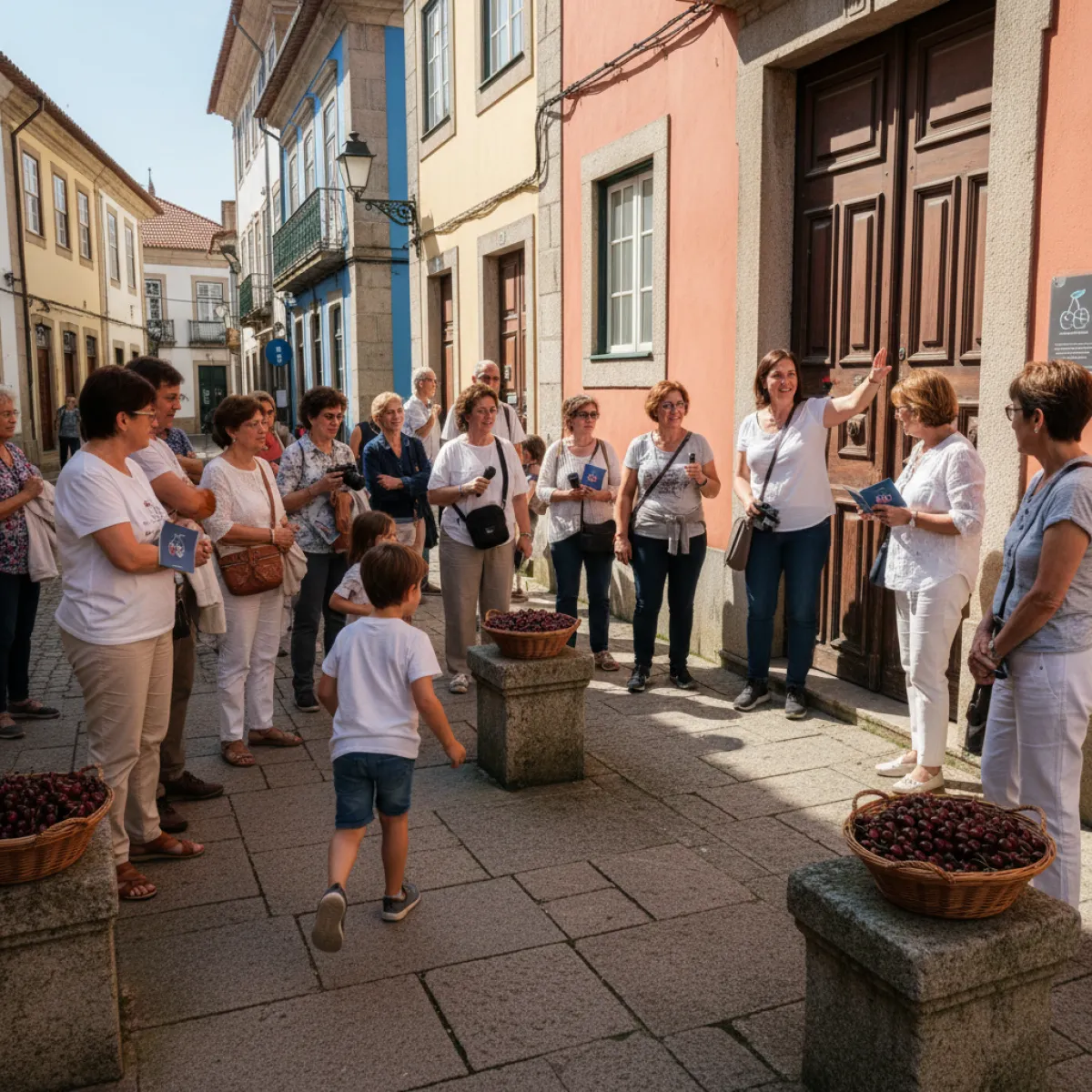
For most travelers, Fundão is synonymous with cherry season. However, if you stick solely to the orchards, you miss the genuine character of these Beira Baixa lands. There is a different way to experience the region, something locals call the Museum Marathon. It isn't about running miles; it’s about navigating the winding roads that connect the Gardunha villages to discover small spaces that preserve the history of those who lived and worked here for centuries.
This museum network is managed by the Municipality of Fundão and acts as a gateway to the past. My advice is to set aside a full day for this. Start early in the city center and then wander through the villages. Logistics require a car, as public transport between these settlements doesn't suit the pace of a cultural marathon.
The Starting Point: José Monteiro Archaeological Museum
The adventure begins in the center of Fundão at the José Monteiro Municipal Archaeological Museum. Housed in the former Solar dos Falcões, this is the network's nerve center. Forget the idea of a dusty museum; the display here is modern and direct. What impresses most is the collection of Roman remains, the votive altars and coins tell the story of a land that has always been a point of passage and settlement. It is the ideal place to understand the historical foundation of everything you will see next.
Lavacolhos: The Sound You Won't Forget
Leave Fundão and head toward Lavacolhos. Here you will find the House of the Drum (Casa do Bombo). This is not a visit meant for silence. The drum is the king of instruments in these parts, and in this house, you can learn how they are made, from choosing the goat skin to the wooden hoop. The best moment is when the guide invites you to take the drumsticks. There is a specific rhythm in this village that sticks in your memory. It is a physical, loud, and deeply authentic experience.
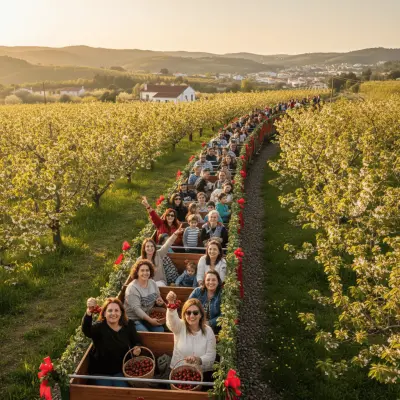
If your visit coincides with spring, you will notice the slopes have transformed. The ephemeral bloom in Fundão provides a stunning backdrop for the drives between these villages, with white flowers contrasting against the green mountain range.
Telhado: Clay in Your Hands
The next stop is Telhado, at the House of Clay (Casa do Barro). Here, the focus shifts to the earth. This village was once a significant pottery center, and the museum recovers that tradition. Besides seeing the utilitarian pieces that were part of daily life in Beira households, you can often find local artisans at work. The scent of damp clay is constant, and there is a peace in this place that is hard to describe. It is an essential stop for anyone who values the manual craftsmanship that is slowly disappearing.
Castelejo and the Mill: The Cycle of Bread
In Castelejo, the Milling Museum (Museu da Moagem) transports us to the region's industrial era. The building itself, an old mill, maintains the original machinery that looks ready to operate at any moment. It is fascinating to see the complexity of the gears that turned grain into flour. It serves as a reminder of the importance of agriculture and local ingenuity in feeding the mountain populations.
Póvoa de Atalaia: The Word of Eugénio de Andrade
To end the day on a more contemplative note, head to Póvoa de Atalaia, the village where the poet Eugénio de Andrade was born. The House of Poetry (Casa da Poesia) is a space of absolute sobriety, reflecting the author's style. Here, the poet’s voice echoes through manuscripts, first editions, and personal objects. It is the perfect place to slow down after a day of intense exploration.
Practical Tips for Your Marathon
- Where to eat: For lunch, stop in Alcaide or Fundão itself. The Marofa restaurant is a local institution for those looking for generous meat dishes.
- Schedules: Most of these spaces close on Mondays. During the week, it is common to have to ring the doorbell or call the number listed on the door, many of these museums are maintained by locals who are nearby and happy to come open the space.
- The Passport: Ask for the Museum Network Passport at the Fundão Tourism Office. It costs about 5 euros and grants access to all spaces, serving as a physical memento of your visits.
- Clothing: Wear comfortable shoes. Some of these villages have steep, cobbled streets that invite exploration on foot.
This cultural marathon is the best way to understand that Fundão is more than just a seasonal cherry destination. It is a land of resilience, ancestral rhythms, and a culture that stays alive through the dedication of each of these communities. By the end of the day, you will have covered fewer kilometers than in an Olympic marathon, but you will take home a much richer understanding of the Beira identity.