Fátima on a Budget: The No-Nonsense Guide
A coffee and toast costs €2, the Sanctuary is free, and Fátima's best walk winds through olive groves with no ticket office in sight. At €40-55 per day, you'll see more than most visitors, you just have to walk two hundred metres further than everyone else.
Let's get this out of the way: Fátima is not an expensive city. It never has been. But that doesn't mean you can't waste money here, and plenty of people do, between tourist-trap restaurants with laminated menus at €15 a pop and souvenir shops selling candles that cost more than a decent lunch. This guide is for anyone who wants to actually see Fátima, spend little, and leave feeling like they got more than the Sanctuary esplanade.
The Basics: Getting There and Sleeping Cheap
From Lisbon, the Rede Expressos bus is your smartest bet. The journey takes about ninety minutes and tickets run €10-12 each way, less if you book online in advance. Forget the car unless you're coming from another region: parking in central Fátima is paid and, on pilgrimage days, a disaster.
For sleeping, Fátima has dozens of pensões and residencials charging between €25 and €45 per night for a double room outside peak season (May and October are the busiest months, for obvious reasons). Most are within a ten-minute walk of the Sanctuary. Don't expect interior design, expect clean sheets, hot water, and a friendly woman at the front desk. If you're really pinching pennies, pilgrim hostels exist with symbolic prices, though you should check availability locally.
The Sanctuary: Free, Massive, and Underexplored
The Basilica of Our Lady of the Rosary, the Chapel of the Apparitions, and the Basilica of the Holy Trinity, all free. No ticket, no queue (outside the 13th of each month), no catch. And yet most people do the circuit in twenty minutes, take two photos, and leave.
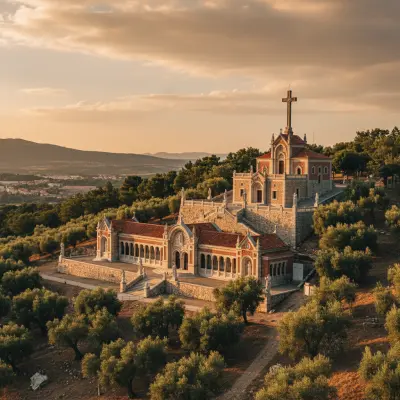
The mistake is treating the Sanctuary like a fast-consumption tourist attraction. If you have time, and if you're on a tight budget, you probably do, attend the 7:30am mass at the Chapel. Not out of obligation, but because at eight in the morning, with the square nearly empty and the light coming in at an angle, the whole precinct has a completely different quality. That's when you grasp the scale. The Basilica of the Holy Trinity, inaugurated in 2007, is the largest religious building in Portugal, and you walk in without paying a cent.
Another free visit almost nobody makes: the Hungarian Calvary, a few minutes' walk from the main precinct. It's a quiet monument donated by the Hungarian community, with a completely different atmosphere from the rest of the Sanctuary. It's not spectacular, but it's genuine, and the kind of place you'll find empty on any day of the week.
Eating Well Without Paying Pilgrim Prices
Here's the golden rule: walk two hundred metres from the Sanctuary. That's it. The restaurants glued to the precinct survive on volume, tourist menus with watery soup, flavourless chicken, and white rice. They're not expensive in absolute terms (€8-12), but they're poor in quality-per-euro spent.
Walk a little further and you'll find local tascas where construction workers and council employees have lunch. That's where you want to be. A daily special with soup, main course, drink, and coffee shouldn't cost more than €7-8. Look for places with the menu handwritten on a board or an A4 sheet in the window, it's almost always a good sign.
If the budget is truly tight, the Minipreço and Pingo Doce supermarkets in Fátima are within walking distance of the centre. Buy bread, Serra cheese (the one from Alvaiázere is good and cheap), seasonal fruit, and a bottle of water. Have a picnic in the gardens near the Sanctuary or, better still, in the Valinhos area, but we'll get to that.
As for regional dishes, you're in Central Portugal. Suckling pig, chanfana (goat stew), and goat cheese are king. You won't find leitão à Bairrada at every Fátima restaurant, but in nearby towns you will. If you rent a car or catch a local bus, it's worth heading to Ourém or Batalha for a proper meal.
Beyond the Sanctuary: What to Do for Free (or Nearly)
Fátima is more than the religious precinct. It's not a huge city, but it has enough walking routes and history to fill two or three days, and most of it costs nothing.
Valinhos and Loca do Cabeço
The walk through the Valinhos olive groves is, in my opinion, the best free thing you can do in Fátima. The route connects Aljustrel (the shepherd children's home village) to Valinhos, passing through olive groves and dirt paths. It takes less than an hour, it's flat, and it gives you something the Sanctuary can't: silence. Loca do Cabeço, where the Angel's third apparition reportedly took place, is along the way. There's no ticket office, no souvenir shop. Just stone and olive trees.
Aljustrel: Two Houses and a Village
The shepherd children's houses in Aljustrel are open to the public and free to enter. They're small stone houses, don't expect interactive museums. But that's exactly why they work. The village itself maintains a rural character that central Fátima lost decades ago. Wander the streets without a map. It takes fifteen minutes and it's worth it.
Ourém Castle
The medieval village of Ourém sits about ten kilometres from Fátima and is reachable by local bus. The castle is up top, at the peak of the hill, and the climb is done on foot through the old town's narrow streets. Entry is free. The view over the region justifies the effort, and the medieval complex, with the Count's Palace and the crypt of D. Afonso, is genuinely interesting. If this historical side appeals to you, the experience covering Fátima's archaeological roots and Ourém Castle gives you the full context.
The 13th: Worth It on a Limited Budget?
If you're in Fátima on the 13th, especially May or October, expect crowds. Hundreds of thousands of people. The candlelight procession on the night of the 12th is impressive regardless of your beliefs, and it's completely free. But know what you're getting into: restaurants fill up, prices nudge upward, and accommodation can double. If you want the 13th experience on a tight budget, book weeks in advance and bring food from home.
The other 13ths (June through September) are considerably calmer and equally valid. The ceremony is the same, the crowd is a third of the size.
Day Trips: Central Portugal on the Cheap
Fátima is well positioned to explore the Centre region without spending much. Batalha (Monastery, entry around €6, free on Sunday mornings), Alcobaça (Monastery, similar price), and Tomar (Convent of Christ, likewise) are all under half an hour by bus. You can do one per day and return to Fátima to sleep.
If you have more time and want to extend the trip, our one-week itinerary through the heart of Portugal covers these spots and more, with practical transport and accommodation suggestions.
For those who prefer walking, the region has excellent trails. Not the Valinhos ones, these are longer routes, half-day or full-day affairs. Caldas da Rainha, for example, is an hour away by bus and has solid walking routes with a practical guide.
So What Does a Day in Fátima Actually Cost?
Let's do the maths for a budget traveller's day:
- Accommodation: €25-35 (simple pensão, double room)
- Breakfast: €2-3 (coffee and toast at a local café)
- Lunch: €7-8 (daily special at a tasca)
- Dinner: €8-10 (or €4-5 if you self-cater from the supermarket)
- Local transport: €0-3 (almost everything is walkable)
- Entrance fees: €0 (Sanctuary, Valinhos, Aljustrel, Ourém Castle, all free)
Total: €40-55 per day. For two people sharing a room, it comes to €30-40 per person. You can go lower with a hostel and picnics. Try doing that in Lisbon or Porto.
What's Not Worth Spending On
The religious souvenir shops around the Sanctuary sell exactly the same products at variable prices. If you want to buy something, compare three or four shops before paying. The large candles sold at the entrance are more expensive than what you'll find inside the precinct (where candles are available for free to light). And restaurants with photos of the food in the window? Universal rule: keep walking.
Paid guided tours of the Sanctuary are, in my opinion, unnecessary. The signage is good, there are free leaflets in several languages, and the interpretation centre next to the precinct is informative and accessible.
Fátima doesn't need to be an expensive trip. It never did. The most important site is free, the food outside the tourist circuit is cheap, and the best experiences, walking among olive trees, climbing up to Ourém Castle in the late afternoon, sitting in the square after the crowds have gone, cost nothing. The trick is simple: walk two hundred metres further than everyone else.