Évora Market Crawl: What to Buy, Taste, Skip
At the Mercado Municipal 1.º de Maio, Saturday at 8am, you can assemble a picnic for four for under 25 euros: Serpa cheese, black pork paio, Alentejo bread that actually weighs something. This is the opinionated guide that separates the worthwhile from the merely photogenic.
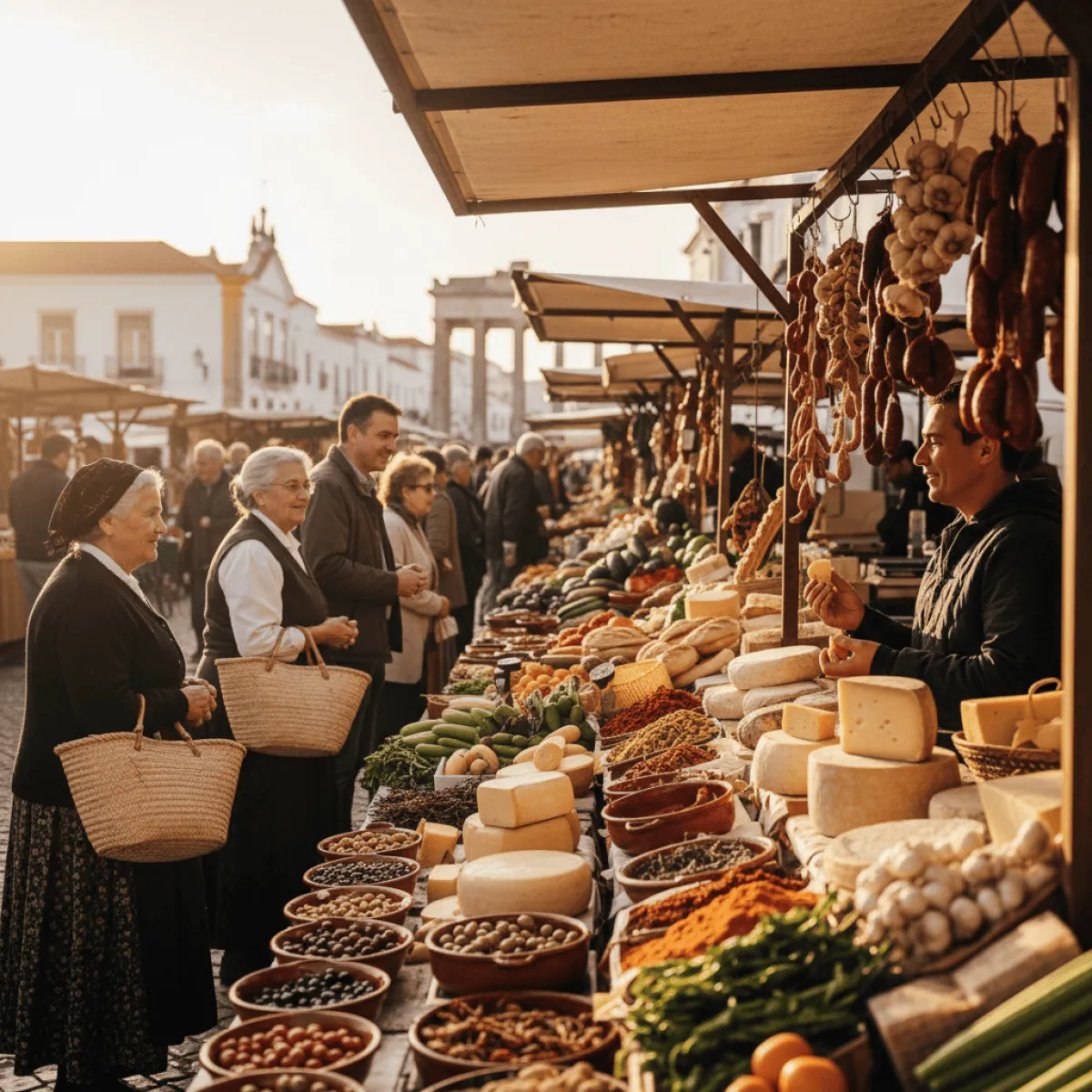
There's a simple rule for understanding any Alentejo town: go to the market before nine in the morning. In Évora, this means walking into the Mercado Municipal 1.º de Maio while the carts are still being unloaded, the coffee still tastes like the first pull of the day, and the women from the Valverde vegetable plots are arguing over the price of tomatoes like it's a constitutional matter. Show up at noon and you've missed half the show and two-thirds of the best buys.
This isn't a polite inventory of regional products. It's an opinionated walk-through: what's actually worth buying, what to taste standing at the counter before moving on, and what to ignore even if it looks pretty in the window. Évora is a small city, overrun by tourists at midday and quietly alive at dawn. The market is where the real city still happens.
Before You Start: The Geography of Appetite
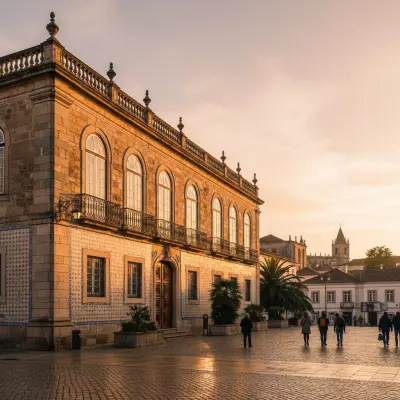
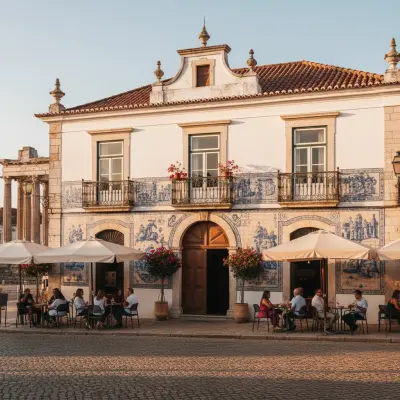
Évora inside the walls fits within a 25-minute walk from the Alconchel Gate to the Avis Gate. The Mercado Municipal 1.º de Maio sits near the public garden, in a 1970s building nobody is going to call beautiful. Praça do Giraldo, with its arcades and cafés, is the tourist heart. Between the two runs a network of old grocers, wood-fired bakeries, and butchers still selling Central Alentejo lamb.
Best day for the municipal market: Saturday morning, 8am to 11am. Wednesday is also busy. Sunday it's closed, which catches a lot of visitors off guard. If you're staying at Old Évora Hostel, you're a ten-minute walk from the market, which makes an improvised breakfast a real option: Alentejo bread, fresh Serpa cheese, a peach, coffee on a terrace.
What to Buy: The Non-Negotiable List
Serpa Cheese, Not Évora Cheese
Yes, cheese is made around Évora, but the protected designation cheese is from Serpa, further south. At the market, look for stalls with creamy semi-soft cheeses, sold by halves or whole. A 200g cured wheel runs 8 to 12 euros depending on age. Ask for a taste. If the woman doesn't slice a sliver for you to try, walk to the next stall.
Tourist mistake: buying vacuum-packed cheese at the airport for three times the price. Right move: buy a whole cheese Saturday morning, ask for waxed paper, take it to a picnic. It travels well in checked luggage, even on a flight home.
Black Pork Cured Meats
Paio, painho, blood chouriço, farinheira. Alentejo cured meats are made from acorn-fed black pig, and the difference from industrial product hits immediately. The market has two or three stalls selling their own production or from small producers in the region (Estremoz, Borba, Reguengos). Good-quality paio costs 25 to 35 euros per kilo. Buy a small piece for the table.
Real Alentejo Bread
Genuine Alentejo bread has a thick crust, dense crumb, and the slight tang of slow fermentation. It's heavy. If it's light, it's not Alentejo bread, it's a knockoff. Look for bakeries still using wood-fired ovens. A one-kilo loaf costs 2.50 to 3.50 euros. Bought in the morning, it holds three to four days, perfect for açorda on day two.
Olive Oil and Honey
The Alentejo produces some of the country's best olive oils. At the market, look for single-varietal oils (cobrançosa, galega) from small mills. A decent half-litre of extra-virgin runs 9 to 14 euros. On honey: rosemary honey is the regional classic, with a marked floral profile. A 500g jar, around 7 to 10 euros.
What to Taste Standing Up, No Ceremony
A Bifana at the Counter
Not at the market itself, but on the streets around it. Évora has several counter tascas serving pork bifanas with garlic and bay leaf sauce, on Alentejo bread, for under 3 euros. Eat it standing up, at the counter, with a draft beer. It's the late breakfast of locals working construction around the cathedral.
Sericaia with Elvas Plum
Sericaia is the signature Alentejo dessert: a sort of airy baked pudding, scented with cinnamon and lemon, served with a candied Elvas plum on the side. The traditional pastry shops in town make it decently. An individual portion runs 3 to 4.50 euros. Warning: don't pay more than 5 euros for a sericaia. You're paying for Praça do Giraldo rent, not the dessert.
Queijadas de Évora
These are small, round, made with cinnamon and ricotta. Distinct from the Sintra version. Some pastry shops in the centre make them properly; others sell industrial copies. The rule: if the queijada shines too much and has a uniform yellow tone, it's factory-made. If it's irregular, with dark oven spots, it's worth the 1.50 euros it costs.
What to Skip (Politely But Firmly)
The Restaurants on Praça do Giraldo
Not all, but most. Plastic-coated menus in four languages, photos of the dishes, 18-euro açorda at the door. Have a coffee and a toast there in the morning, watch the square, then eat somewhere else. The real tascas are two or three streets in: Rua do Raimundo, Rua de Alcárcova de Cima, Rua de Avis.
The "Regional Products" Shops on Rua 5 de Outubro
Rua 5 de Outubro connects Praça do Giraldo to the Roman Temple. It's the most tourist-trodden street in Évora. It's lined with shops selling cork, painted tinned fish, and liqueurs in decorative bottles. Prices are marked up 40 to 60% above fair value. If you want cork, go to a workshop in Azaruja or São Brás de Alportel. If you want decent tinned fish, there's a traditional grocer on Rua de Aviz that sells the same brands at half the price.
Coach-Tour Visits to the Chapel of Bones Without an Advance Ticket
The Chapel of Bones is worth visiting, no question. But arriving there at midday in July without an online ticket means standing in a 40-minute queue under the sun. Buy your ticket early morning or late afternoon. Or hit the Museu Nacional Frei Manuel do Cenáculo first: remarkable pieces, almost always empty, costs a fraction in patience.
Building the Perfect Picnic
Here's the real advantage of doing the market in the morning: by noon, you've assembled a picnic for four for under 25 euros. Alentejo bread, Serpa cheese, paio, a Valverde tomato, a bottle of Reguengos red from the corner wine shop (about 6 euros for a good producer bottle), figs in the late afternoon.
Where to eat it? Évora's Jardim Público, in the shade of the olive trees, beside the ruins of the Royal Palace of São Francisco. Benches under fig trees, no scooter noise, the cathedral visible above the walls. It's free, it's beautiful, and it's what locals do on Sundays. Caveat: take a bag for your rubbish. Bins aren't everywhere.
Beyond the Market: How to Stretch the Day
Once the market run is done and the groceries are in the fridge at your accommodation, there are three smart directions for the afternoon.
Walk Évora Properly
Most tourists do the cathedral-temple-Chapel of Bones triangle and think they've seen the city. They haven't. Évora has alleys, viewpoints over the plain, small churches nobody enters. The Walking Évora: A Deep Immersion into Granite and Lime experience runs a guided route through the neighbourhoods outside the standard tourist script. You'll see whitewashed walls, doors with 18th-century locks, and grasp why the city is a World Heritage Site without having to listen to the audioguide pitch.
Learn to Arrange the Alentejo
For anyone staying more than two days, the Wildflower Workshop with Catarina Ferreira is an interesting alternative to the obvious food-tourism circuit. Catarina works with wild plants from the region and teaches you to build arrangements with what grows on the Alentejo ground. It isn't for everyone, but for travellers who like to leave with a skill instead of a t-shirt, it's a better investment.
The Night, If You Want One
Évora isn't Lisbon. Nights are quiet, tascas close around 11pm, and the University students concentrate in two or three spots. Praxis Club is one of the options for stretching the evening past dinner. Don't expect an Ibiza club. Expect what makes sense in a city of 50,000: music, drinks, conversation.
Push the Trip Northward
Évora is worth two days, three if you include the surroundings (Évoramonte, Arraiolos, Monsaraz). For travellers with a week in the Alentejo who want to go further than the usual circuit, Portalegre is a strong pick: mid-sized city, industrial history, distinct cuisine, almost no international tourism. Our guides Portalegre Without the Tourist Traps: A Weekend, Portalegre on Foot: Neighborhoods Worth the Walk, and Portalegre's Real Food: Where Locals Actually Eat give the full picture for combining Évora with a more authentic second Alentejo base.
Practical Logistics
- Mercado Municipal 1.º de Maio: open Tuesday to Saturday, 7:30am to 2pm. Best between 8am and 11am. Closed Sunday and Monday.
- Carry cash: many stalls are cash only. ATMs around Praça do Giraldo.
- Bring a cloth bag: or buy one for 2 euros. Plastic bags aren't generous.
- Language: Spanish works in a pinch. Basic English at the more tourist-facing stalls. A smiling "bom dia" opens every door.
- How to get there: direct train from Lisbon to Évora, about 1h30, 12 to 15 euros. The station is a 15-minute walk from the centre. A car is useful for exploring the region, unnecessary for the city itself.
One Last Rule
Évora's market isn't a show. There are no cooking demonstrations, no bilingual signs, no "sensory experience". There are women who've been there 30 years selling what grew in their garden, and they'll treat you the way they treat everyone: with the polite indifference of the Alentejo. Don't take it personally. Buy what you tasted and liked, say thank you, walk away. Come back next week if you can. That's how the city works.