Estremoz Crafts: What to Buy and What to Skip
Estremoz's clay figurines have been UNESCO heritage since 2017, starting at €15. But there's more worth buying in this Alentejo town: marble, clay water jugs and cheeses that justify the trip. And a few things you should skip entirely.
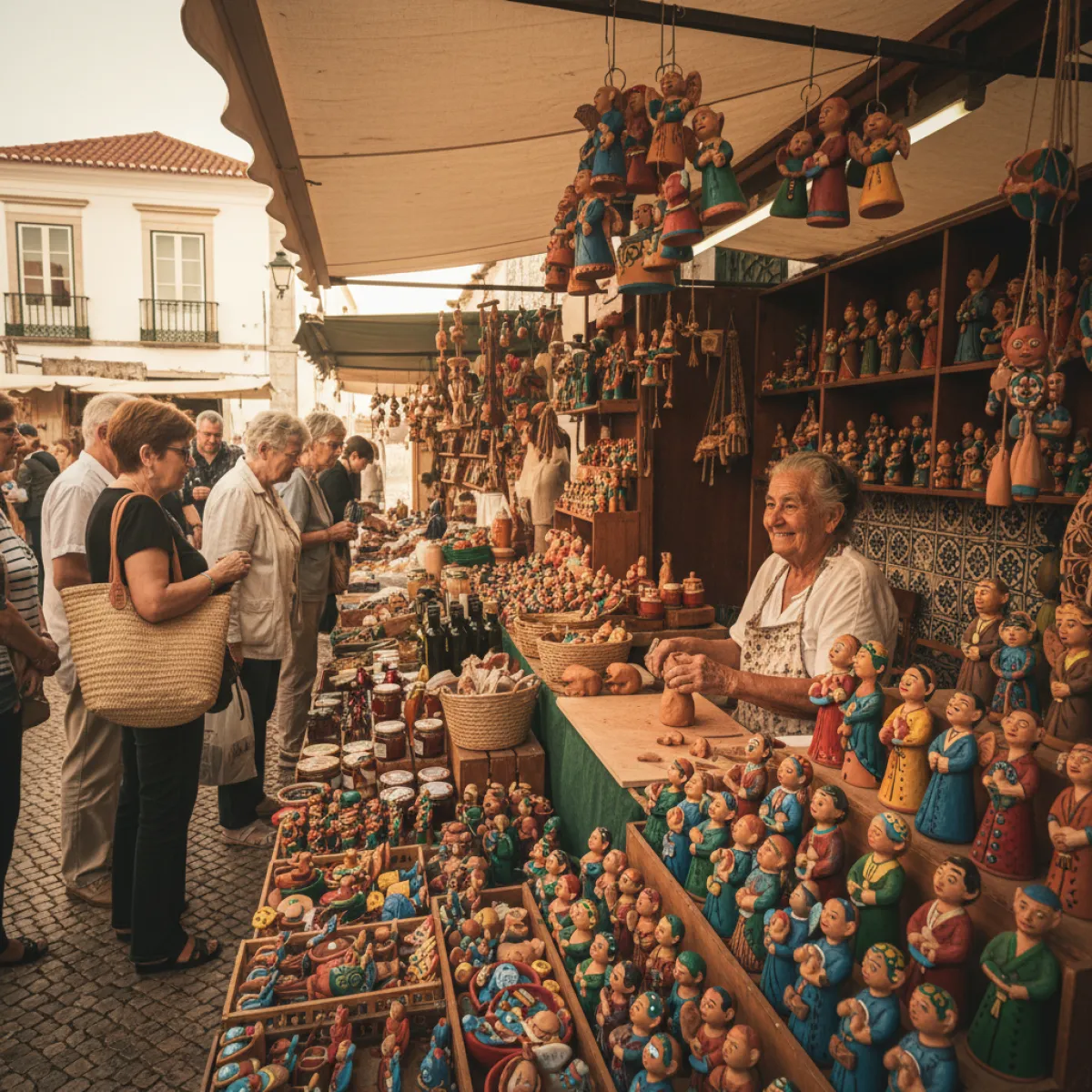
There's a reason Estremoz's clay figurines were classified as UNESCO Intangible Cultural Heritage in 2017. It's not hype. It's not repackaged folklore for coach tours. It's a tradition of figurative pottery dating back to the 17th century, kept alive by a small number of artisans who still shape each piece by hand, in a town where marble is literally underfoot.
Estremoz is the kind of Alentejo town that rewards attention. The Rossio, the main square, works as an open-air living room. On Saturday mornings, the market fills the space with stalls selling cheese, cured meats, honey and, if you're lucky, some genuine local craft. But the real discoveries happen in the workshops and shops around the old town.
The Bonecos de Estremoz: what they are and why they matter
The bonecos de Estremoz are hand-painted clay figurines, typically depicting scenes from Alentejo daily life, religious figures or popular characters. The most famous ones are nativity scenes, horsemen and saints. The clay is local, the paint is water-based, and each piece goes through a drying and firing process that can take weeks.
What sets these figurines apart from any other Portuguese ceramics is the deliberate naivety of the style. They're not realistic. They have exaggerated proportions, bright colours, almost caricature-like expressions. And that's exactly what makes them special. When someone tries to "modernize" or "refine" the style, you lose precisely what makes them worth owning.
The active barristas (clay artists) in Estremoz are few, which makes each piece more valuable. Look for signed work. A small figurine might cost between €15 and €40. Larger pieces or work from more recognized artisans can go above €100. Worth every cent compared to the factory-made ceramics you'll find in any airport shop.
Where to buy
The Museu Municipal de Estremoz, housed in the former convent next to the Rossio, has a permanent collection of bonecos worth seeing before you buy. Understanding the history helps you tell an authentic piece from an imitation. For purchases, look for barrista workshops in the historic area or certified craft shops in the centre. The Saturday market is also a good option, but confirm the pieces are locally made.
Marble: beautiful, but think twice
Estremoz, Borba and Vila Viçosa form the so-called Marble Triangle, one of Europe's largest marble extraction zones. The stone is everywhere: on facades, pavements, doorsteps. You can't miss it.
In shops, you'll find decorative marble objects: cheese boards, mortars, coaster bases, sculptures. They're beautiful. The problem is weight. A marble cheese board can weigh two or three kilos, and you'll need to carry it onto a plane. If you're driving, it's an excellent option. If you flew in, think carefully before buying that five-kilo piece that's going to blow your baggage allowance.
Practical tip: small mortars are the best balance of beauty, utility and weight. They cost between €10 and €25 depending on size, and fit in a carry-on.
Alentejo ceramics: beyond the figurines
Estremoz isn't just about figurines. The region's ceramic tradition includes utilitarian pottery: large bowls, plates, pitchers and the classic bilhas de barro, unglazed clay water jugs that keep water cool. These jugs are a genuinely useful souvenir. They work by evaporation: the porous clay lets a tiny amount of water seep through, and as it evaporates it cools the contents. In an Alentejo summer, where 40°C is routine, this isn't folklore. It's technology.
A clay water jug costs between €5 and €15. It's light, it's practical, and it's something you'll actually use at home rather than leaving on a shelf to gather dust.
What not to buy
I'll be direct. Avoid:
- Fridge magnets with Barcelos roosters. Estremoz is not Barcelos. If you want a Barcelos rooster, go to Barcelos.
- Industrially produced cork labelled "artisanal." The Alentejo does produce cork, yes, but those cork wallets and hats you see in every tourist shop are almost always factory-made. If you want quality cork, look for certified producers.
- Generic wines without denomination. The Alentejo has extraordinary wines, but buy them at a wine shop or directly from a winery, not at a souvenir shop where the same bottle costs double.
The right things to take home from the Alentejo
Beyond figurines and ceramics, Estremoz and the surrounding region offer food products that make excellent souvenirs:
Nisa cheese and Évora cheese are two of Portugal's best sheep's milk cheeses. Buy them at the Saturday market or at local cheese shops. Ask to taste before buying. A whole Nisa cheese costs between €8 and €15 depending on size and ageing.
Alentejo olive oil is another reliable winner. Look for bottles from local producers with harvest date indicated. Avoid bottles with no date or no producer identification.
Alentejo honey, especially rosemary honey (mel de rosmaninho), is a light and easy-to-transport option. A 500g jar costs between €5 and €10.
When to go and how to plan the day
Saturday is the best day to visit Estremoz because of the Rossio market. Arrive early, before 10am, for the best selection and to avoid the heat in summer. The market runs through the morning and thins out by early afternoon.
Combine your shopping trip with a climb up to the castle and the Torre das Três Coroas, which offers views across the Alentejo plains to the horizon. The Pousada de Estremoz, set in the former royal palace, is worth a visit even if you're not staying there. Have a coffee at the bar and appreciate the architecture.
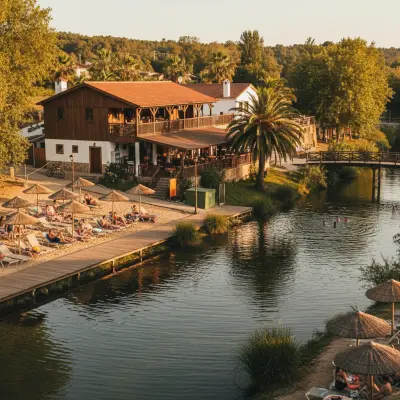
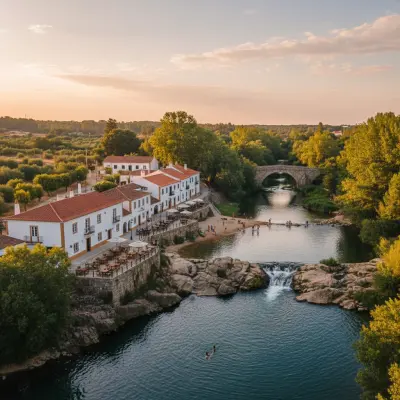
If you're visiting in summer, the area has refreshing options for the afternoon. The Complexo de Piscinas Municipais de Estremoz is a practical way to beat the heat after a morning of shopping. For something more scenic, Praia Fluvial de Fronteira or Praia Fluvial das Azenhas d'El Rei are river swimming spots a short drive away.
Extend the trip: Portalegre and the Upper Alentejo
If you have more than a day, it's worth combining Estremoz with a visit to Portalegre, another Alentejo town with a strong craft tradition, particularly tapestries. Our Portalegre weekend guide helps you plan an honest trip. If you prefer exploring on foot, we also have a guide to Portalegre's most walkable neighbourhoods. And for eating well in the area, our Portalegre food guide is essential reading.
The best souvenir is one you actually use
The golden rule for travel purchases is simple: if it's going to end up in a drawer, it's not worth it. The bonecos de Estremoz are the exception, because they're art pieces that deserve a shelf. But for everything else, go functional. A clay jug that keeps your water cool in summer. A marble mortar you use every week. A cheese you share with friends when you get home. An olive oil that turns a simple salad into dinner.
Estremoz doesn't need a marketing campaign. The town has product. Clay, marble, cheese, olive oil. All made here, all with history. The only thing it needs is visitors with an eye for telling the authentic from the industrial. Now you know what to look for.