Caldas da Rainha in June: Shellfish, Cherries, Lagoon
In June, Caldas da Rainha pairs the first cherries of the Oeste with the best shellfish from the Óbidos Lagoon, with no official festival and no crowds. An honest guide to when to hit the market, where to eat clams without a booking, and the empty viewpoint nobody recommends.
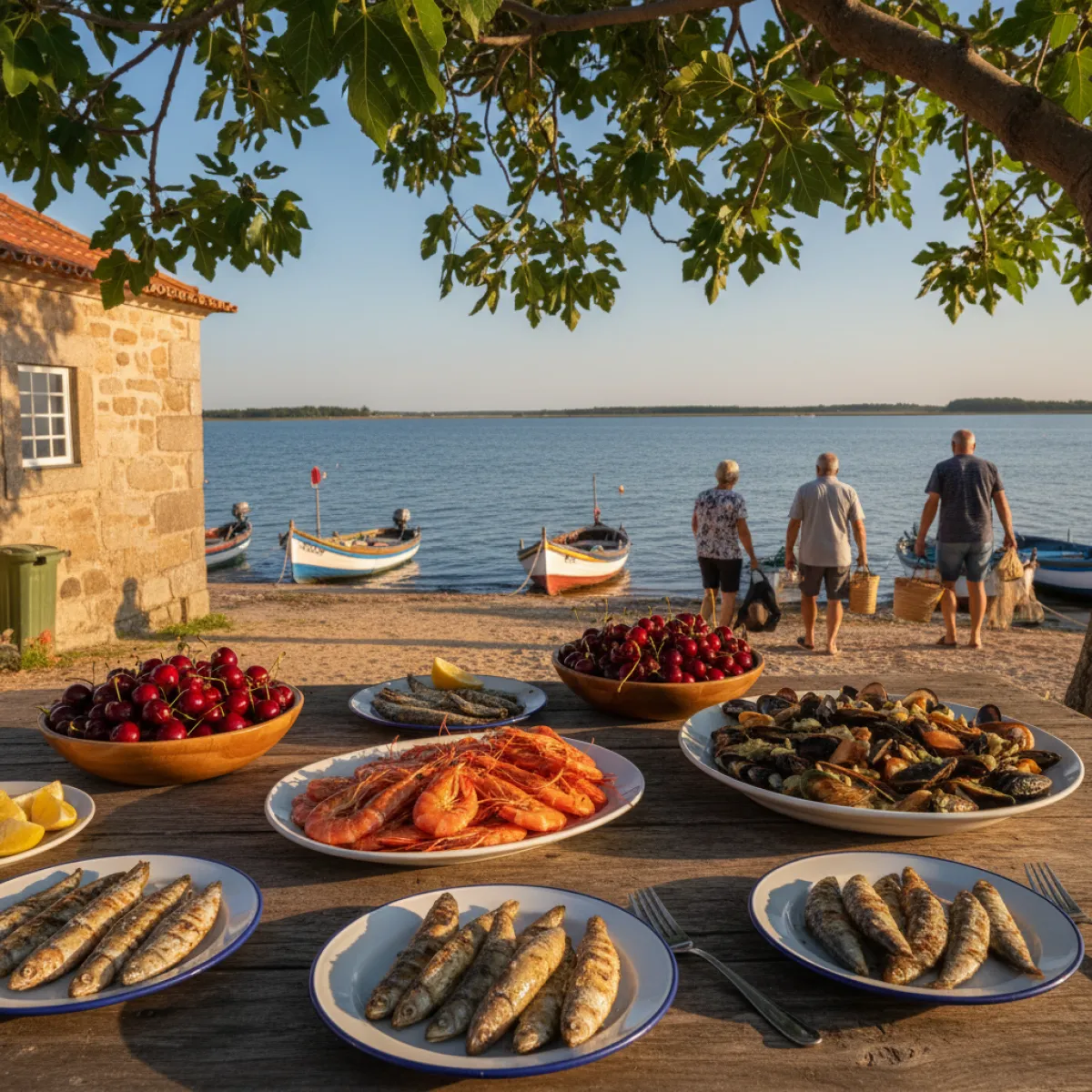
June in Caldas da Rainha smells of two things at once: the iodine off the Óbidos Lagoon when the wind turns westerly, and the caramelised sugar of cherries arriving from the orchards of the Oeste and Cadaval into the market on Praça da República. It's a town without the glamour of Óbidos or the surf cred of Peniche, which is exactly why you should be here when the heat starts and the tourists clog Sintra. The pace here is different. The market opens every morning, contrary to the stereotype, and by eight there are queues for the first cherries from Resende and for the fish counter where two fishermen from Foz do Arelho are unloading crates of prawns and clams that still smell of low tide.
This guide is not about the Olhão Shellfish Festival, which gets all the press it needs. It's about what June actually does to this region: it puts the best shellfish from the western coast next to the first sweet fruit of the year, and gives you a fair excuse to spend a week between Caldas da Rainha, the lagoon, and the viewpoints nobody visits in July because everyone is on the beach in Cascais. Take advantage while you can.
Why June, why here
There's a short window, maybe three weeks between late May and mid-June, when two things overlap in the Oeste. First, the cherries. Those from São Julião do Tojal, Cadaval, Alcobaça, arrive at the Caldas market in small crates, still warm from the morning sun. Don't confuse them with cherries from the Fundão, which are a different fruit and deserve a different trip. These are smaller, tarter, and typically run between 4 and 7 euros a kilo depending on the day. Buy half a kilo, take them to the beach, eat them with juice running down your fingers.
Second, the shellfish. The Óbidos Lagoon runs on a cycle: in May, harvests of certain bivalves officially open, and by June the offerings in local restaurants explode. Clams, cockles, oysters from beds along the lagoon banks, and what comes from the sea right next door, in Foz do Arelho and São Martinho do Porto: coastal prawns, brown crab, percebes when the weather lets the harvesters work the rocks to the north. There is no official shellfish festival in Caldas da Rainha. What there is, is the season doing the work of festivals.
Honest tip: come on a Thursday or Friday. On Saturday and Sunday, any half-decent restaurant between Foz do Arelho and Salir do Porto is packed with Lisboners on second-home holidays. Midweek, you eat without a reservation, you pay less for the same plate, and the waiters still have time to tell you what came in fresh that morning.
The market, and breakfast for those who know
Start at Praça da República, in the historic centre. The fruit market runs in the open air every morning, and in June the scene is a wall of red: cherries, strawberries from the Oeste, the first greenhouse tomatoes that aren't worth eating yet (ignore them until July). The local producer stalls are usually on the right as you enter from the main street. Ask where the cherries are from. If the lady says "right here next door", buy with your eyes closed. If she says "from the Fundão", they're also good, but pay a fair price, not 8 euros a kilo.
For breakfast, avoid the cafés on the square that feed tourists on their way to Óbidos. Find one of the neighbourhood bakeries south of the square and ask for a cavaca, the local speciality that looks like a meringue but is denser, sweeter, and almost always better in the morning. Have it with a galão. Total cost: three euros, maybe three and a half. You won't find this on TripAdvisor's top attractions, and that's a feature, not a bug.
Shellfish lunch: the three-plate rule
Here's an opinion that will annoy people: most of the seafood platters served at touristy coastal restaurants are an expensive mess. Plates piled with frozen shellfish, too much bread, and a bill that sails past 60 euros a head for something you'd eat better at home.
The decent alternative in June is the three-plate rule:
- Clams Bulhão Pato style, shared, to start. If they come from the lagoon, they're small, sweet, and they all open. If they're frozen, they don't open properly. Always ask.
- Seafood rice for two, or a monkfish rice with prawns if you'd rather something less theatrical. In Foz do Arelho it usually runs between 28 and 36 euros for two, depending on the place. Don't pay more.
- Fresh cherries for dessert. It can sound silly to ask for that in a restaurant, but ask anyway. If they don't have any, bring some from the market and eat them by the lagoon afterwards.
The trick is not to fill the table. Excess shellfish is waste. Three well-chosen plates, a white from Bairrada or an Encruzado from Dão, and you're done. Likely bill: 35 to 50 euros per person with wine. Not cheap, but honest.
The viewpoints: where to take a nap with a view
June has one cruel advantage over July and August: it's not yet hot enough to melt asphalt, but it is hot enough for an open-air nap. The region has three viewpoints that justify a rental car and an afternoon of scheduled laziness.
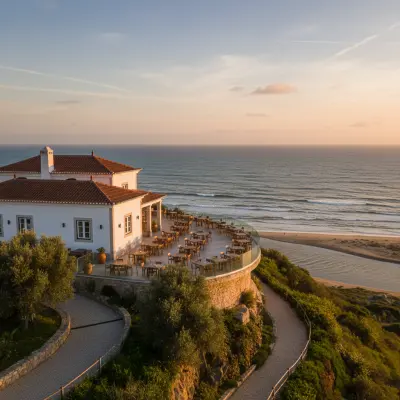
The first is the Miradouro da Foz do Arelho, the obvious one but for good reason. It looks over the lagoon and the channel that joins it to the sea, and at the end of the afternoon, when the sun drops over the ocean, you can literally watch the light shift colour over salt water. Go around 6:30pm in June, before sunset proper. Bring the cherries you bought in the morning.
The second is the Miradouro de Santa Catarina, higher, more austere, with views inland. It's the best place to understand the geography of the region, how the lagoon fits between the hills and the coast. Few visitors, a stone bench, scant shade, bring a hat.
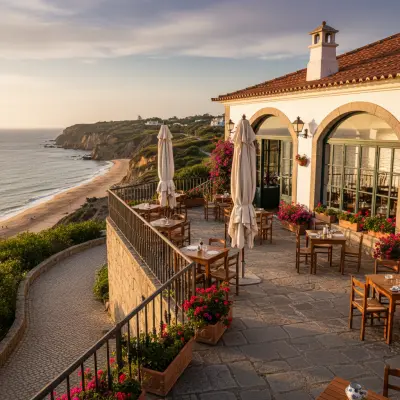
The third, and my honest favourite, is the Miradouro de Salir do Porto. It looks toward São Martinho do Porto, toward the shell-shaped bay and the vast sweep of sand. It's quieter, almost always empty outside weekends, and has that air of accidental discovery that the best viewpoints keep. Combine it with lunch in Salir and you've made a day of it.
For those who prefer movement: lagoon, birds, museums
If you stay two or three days, don't spend all of them eating shellfish. The region offers two alternatives that pair badly with napping but well with the rest of the week.
The first is bird watching at the Óbidos Lagoon, which is in an interesting moment in June. The migratory birds of spring haven't all left yet, and residents (egrets, occasional flamingos in the good years, grebes) are in breeding mode. Go at dawn, bring binoculars, count on two hours of patience. It's the antithesis of the shellfish lunch: silence, mosquitoes, and a sense of time moving slowly that's hard to find in cities.
The second is the town's museum circuit. Caldas da Rainha has a museum density that's wildly out of proportion to its size, an inheritance from José Malhoa and the ceramic tradition of Bordalo Pinheiro. For those interested, there's a museum marathon route through Caldas da Rainha worth doing on a day when the weather doesn't favour the beach. Ceramics, naturalist painting, and Bordalo's visual humour. It's not Lisbon, but it doesn't pretend to be.
Walking before the heat
The trails in the region are best done in early June, before mid-month. After that, even at eight in the morning, it gets hot. If you come before the solstice, follow our April walks guide for Caldas da Rainha, which still works in June with small adaptations: bring more water, start earlier, and don't try the coastal trail between Foz do Arelho and São Martinho at midday. A good way to spend a morning before lunching on shellfish with a clear conscience.
The rest of the calendar: what's happening across the country
June isn't just Caldas. It's also when the rest of the country erupts in festivities, and it's worth knowing what's on two or three hours away if you want a side trip.
In Coimbra, the first week of June is usually taken over by Queima das Fitas, with our honest guide to praxe, and if you've never been and you're curious, it's a genuine cultural experience as long as you go with calibrated expectations. In Fátima, the 13th of each month is pilgrimage day, and in June it joins the mid-year celebrations described in our honest guide to the Fátima pilgrimage. Both are experiences quite distinct from anything you'll do in Caldas, but they are only a few hours' drive away.
Logistics: getting there, where to stay, what it costs
From Lisbon to Caldas da Rainha is around 90 minutes on the A8, depending on the traffic leaving the capital. By train, there's regular service on the Linha do Oeste, but it's slow and is not the country's best system. A rental car is what makes sense for this region, especially if you want to reach the viewpoints and the lagoon. Expect 30 to 50 euros per day in June, plus fuel.
Lodging: the centre of Caldas has reasonable options in small hotels and guesthouses, typically between 70 and 120 euros a night in June for a decent double room. Foz do Arelho is pricier and more resort-like. São Martinho do Porto is more family-oriented and has rentals on the usual platforms. My advice: sleep in Caldas da Rainha, rent a car, and use the town as a base. It's cheaper, more authentic, and it has the market.
Honest total cost for three days: two adults, decent lodging, two shellfish lunches, one simple dinner, car, fuel, museum tickets, enough cherries to give yourself a stomach ache. Somewhere between 450 and 600 euros for two. You can do it for less by cutting back on restaurants, and for much more if you decide to stay in lagoon-view places in Foz.
What to avoid
You finish June with the feeling that you saw the region at its best moment. To make sure you do, three things to avoid:
- Restaurants with laminated menus in four languages anywhere along the coast. Fresh shellfish doesn't need to be explained in German.
- Cherries in supermarket trays. Go to the market, it's cheaper and better.
- Going to Foz do Arelho beach on a Saturday after eleven in the morning. Parents with kids, Lisboners, high tides, parking lots full. Go midweek, or at the end of the day.
June in Caldas da Rainha doesn't sell tickets. There's no official festival, no calendar published on social media, no posters of tribute bands. What there is, is a season offering the best it has, and a town where you can still get a good lunch without a reservation, buy cherries from the people who picked them, and watch the sun go down over the lagoon without sharing the viewpoint with fifty other people. Make the most of it. In July the region changes, and not for the better.