Braga's Best Cafés and What to Order at Each
In Braga, a fifty-cent espresso turns into an hour of conversation. From the Arcada to the frigideiras at Cantinho, here's what to order at each café, and why one is never enough.
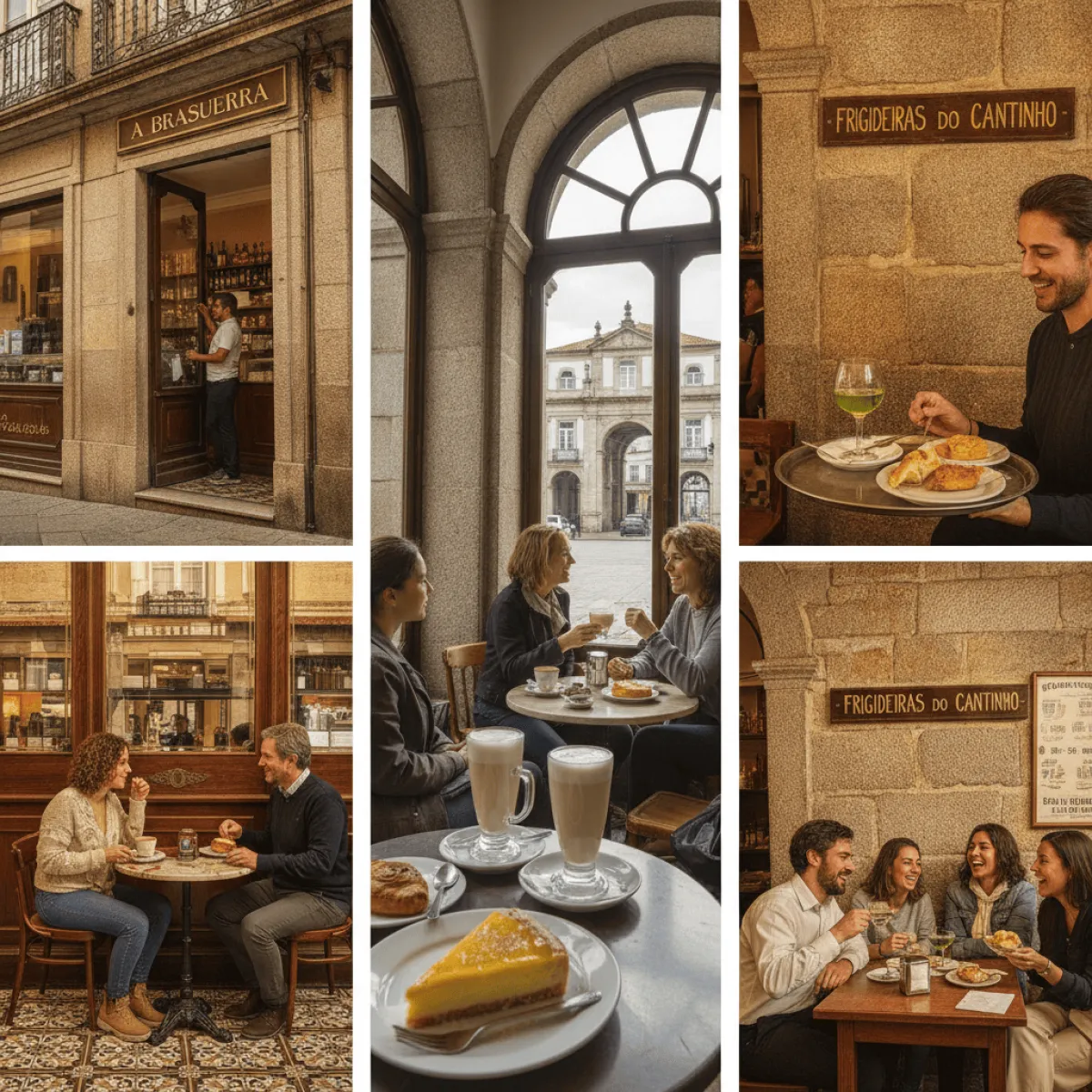
In Braga, coffee isn't a break. It's the scaffolding of the day. Start in Praça da República, the square everyone calls the Arcada, and you'll spot the unwritten rule fast: nobody stays alone for long. Someone stops, pulls up a chair, and a fifty-cent espresso turns into an hour. This is a city of students, civil servants and women who've known the waiter by name for thirty years. The café is where all of it overlaps.
I wrote this guide for people who want to eat and drink in Braga without falling into the obvious traps. It isn't a list of everything. It's the list of what's worth your time, with what to order at each place, because ordering badly in a good café is a wasted trip. If you're still building the bigger itinerary, read our general guide to Braga first for the context this city deserves.
The Arcada: a heart that runs on coffee
If you only have time for one place, make it Café Vianna, under the arches of the Arcada. It's Braga's historic café, the 19th-century kind where the old mirrors and marble tabletops aren't Instagram props: they were here long before Instagram existed. Sit on the terrace in the morning, order a bica and a plain croissant, and watch the city wake up. By late afternoon the mood shifts: order a fino (that's what they call a draught beer up here in the North, don't forget) and a plate of lupin beans or pumpkin seeds. That's the ritual.
The tourist mistake is walking into the Arcada and ordering a giant milky coffee in a mug. Don't. The right drink here is the bica, short and strong, or a pingado if you want a touch of milk. Coffee in Braga runs around sixty to eighty cents depending on the house, and you pay a little more on the terrace for the seat. Worth every cent, because what you're really buying is the right to sit there.
For the sweet tooth: frigideiras you can't fake
A few steps from the cathedral sits the place that defines Braga's sweet and savoury baking: Frigideiras do Cantinho. It's one of the oldest pastry houses in the city, and the specialty is the frigideira, a small flaky pastry parcel filled with stewed veal. They come warm and they fall apart in your mouth. Order two, not one, because one is never enough.
Then there's the pudim Abade de Priscos. If one dessert sums up the Minho, it's this: a pudding made with egg yolks, syrup-stage sugar and, yes, a slice of pork fat, invented by a local priest in the 19th century. It sounds wrong. Taste it and hush. It's dense, almost translucent, with a dark caramel that flirts with bitter. Pair it with a bica and you've got the most Braga dessert there is.
Mid-morning: where the locals actually go
Away from the Arcada, Braga has neighbourhood pastelarias where coffee costs less and the conversation flows looser. The rule is simple: if it's full of people who clearly come every day, walk in. If it's empty at ten on a weekday morning, be suspicious. Always order whatever looks fresh in the display case: a bolo de arroz, a queijada, or, if you're lucky, something toasted first thing.
A word on what to order alongside a bica outside of lunchtime. The classic is the torrada, thick-sliced homemade bread, toasted and drowned in butter, cut into four. Ask for "uma torrada e um garoto" and you're set until lunch. The garoto, for the uninitiated, is a coffee with a good amount of milk in an espresso cup, halfway between a bica and a galão.
When coffee becomes a meal
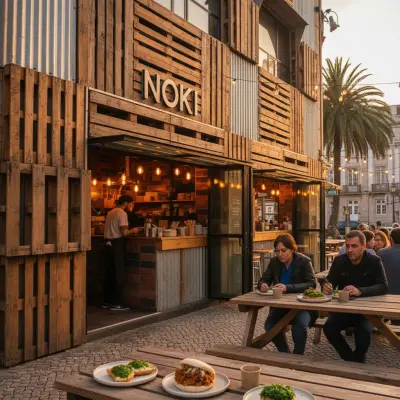
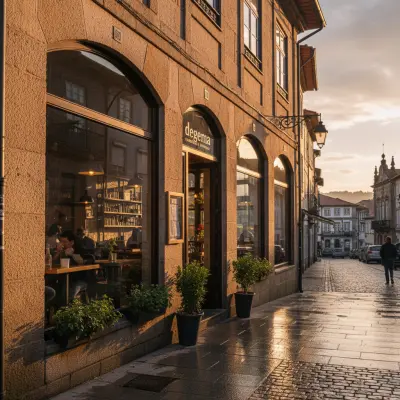
There's an hour in Braga, around one in the afternoon, when coffee stops being coffee and becomes lunch. This is when you want to step off the pastelaria circuit and find places that take food seriously. For a relaxed but well-made lunch, DeGema Hamburgueria Artesanal grills burgers from properly handled meat that have nothing to do with fast food. For something more casual and full of flavour, NOKI street food fusion blends Asian influences with local produce, and it's exactly the kind of spot where younger Braga locals spend hours.
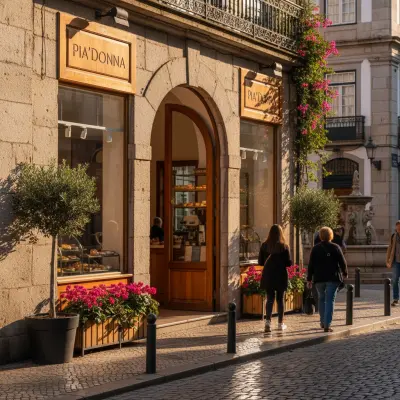
And if the afternoon calls for a pizza and a glass of wine instead of another bica, Pia'Donna sorts you out. Well-proofed dough, honest ingredients, and the kind of room that makes you want to linger. It's not a café, but it belongs to the same rhythm: in Braga, sitting at a table is a national sport.
Coffee with a view, coffee with your hands
To break the urban routine, climb up to the Miradouro do Monte do Picoto. You can drive up or take the cable car on days it runs (check the times locally), and from the top you see the whole of Braga spread across the valley, with Bom Jesus glinting in the distance. Bring coffee in a flask or buy something at a pastelaria before you go up: there's no better breakfast than a torrada and the city at your feet.
And if you want a different kind of morning, one that isn't just eating and drinking, Braga has a ceramic and tile tradition worth getting your hands into. A pottery class at Ateliê Cobalto or a tile-painting session at the same studio is the perfect excuse for a slower pause, and the coffee tastes even better afterwards, knowing you actually made something before noon.
The afternoon coffee: the sweet hour
Around five in the afternoon, Braga turns sweet. This is the hour of coffee and cake, and there's no shame in ordering whatever looks most sinful. Beyond the pudim Abade de Priscos, look for fidalguinhos or a moist pão de ló if the house has it. The right drink to go with it stays the short bica, because a milky coffee at this hour cuts the sweetness rather than lifting it. If you want something lighter, a well-made linden tea still turns up in the older pastelarias.
How to read a Braga café menu
- Bica: the short, strong espresso. The default. Around 60 to 80 cents at the counter.
- Pingado: a bica with a drop of milk. For softening without filling up.
- Garoto: more milk than coffee, in a small cup. The middle ground.
- Galão: lots of milk in a tall glass. Breakfast, rarely after lunch.
- Meia de leite: half coffee, half milk, in a large cup. The choice of women deep in conversation.
- Fino: the draught beer. Don't say "imperial" up here if you want to blend in.
When to go, and when to flee
The best time for Braga's cafés is a weekday morning, between eight and ten, when the city belongs to the people who live in it. On weekends the Arcada fills and the terraces turn into theatre: great for people-watching, less great for finding a table. Avoid Holy Week if you're after quiet, because the city transforms completely. But if you want the opposite, spectacle, processions and streets thick with incense, that's exactly when to come: read our guide to Holy Week in Braga 2026 before you book.
Braga is also the perfect base for the North. It's less than an hour from Porto by train, which makes it one of the smartest choices if you're working through the best day trips from Porto. But my advice is the reverse: stay in Braga and make Porto the excursion. Wake up here, take your bica in the Arcada before nine, and understand why this city is in no hurry to impress anyone.
The essentials, no waffle
If you only have one morning: bica and croissant at Café Vianna in the Arcada, a frigideira and pudim Abade de Priscos at Frigideiras do Cantinho, and a walk through the centre between the two. With more time, climb the Picoto, lunch at DeGema or NOKI, and end the afternoon with ceramics at Ateliê Cobalto. Coffee in Braga costs little and gives a lot: it's the best deal in the city. Sit down, order a bica, and let the morning stretch. In Braga, nobody is going to rush you out.