Azores in May: Trails, Lakes and Ponta Delgada's Wild Green
In May, São Miguel is at its finest: empty trails, lagoons full from winter rains, and Furnas cozido without the queue. The practical guide to exploring the Azores before summer crowds descend, from Sete Cidades to the pineapple greenhouses.
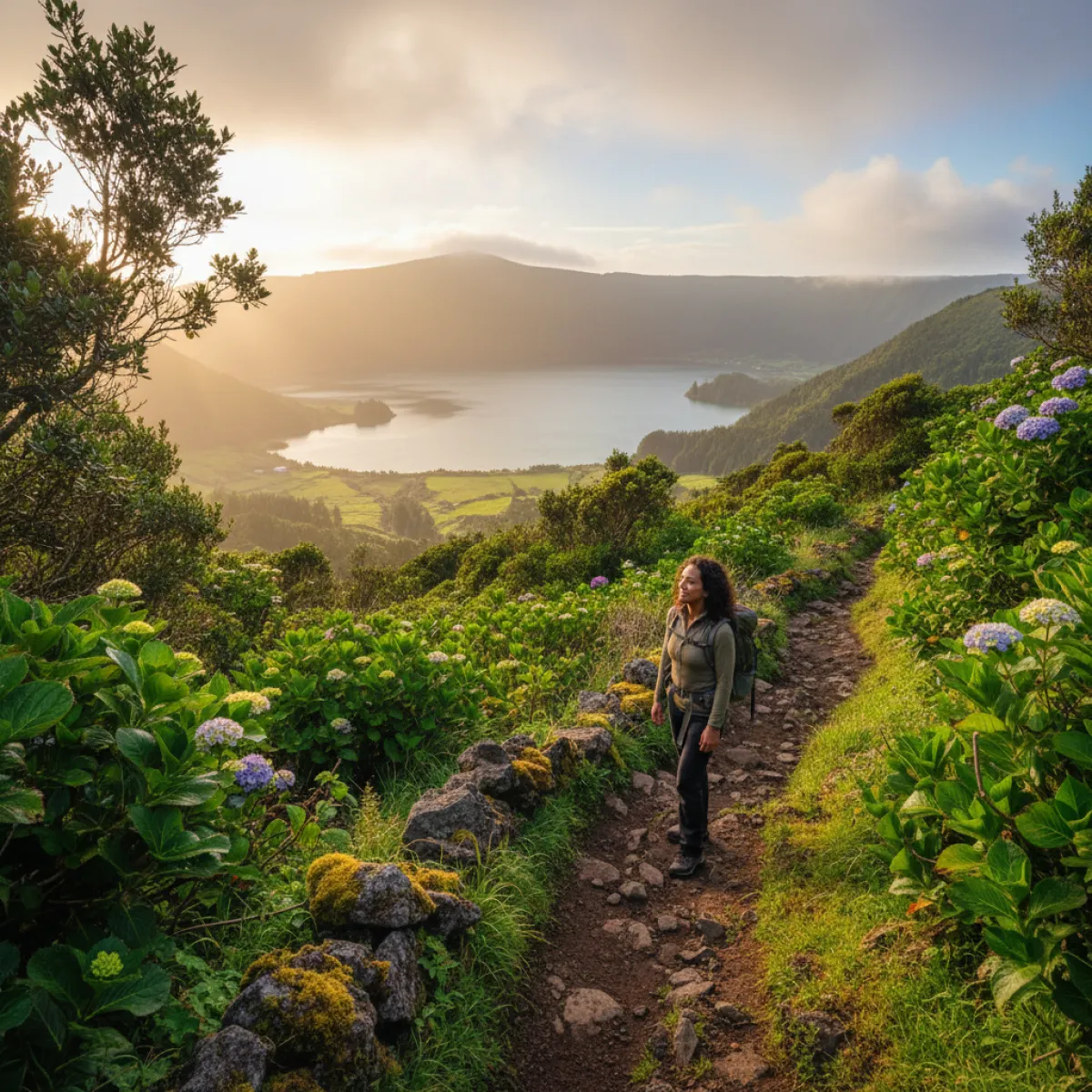
May in the Azores is that sweet spot most travelers don't know about. Winter is gone, the summer cruise ships haven't arrived yet, and São Miguel sits in a rare equilibrium: impossibly green, temperatures hovering between 16 and 21°C, and an Atlantic light that makes phone photos look like they belong in a magazine. If there's a perfect window to explore this island on foot, by car, and with an empty stomach ready for filling, this is it.
What changes in May
Let's be upfront: the hydrangeas in full bloom are more of a June and July affair. In May, the bushes are showing their first buds, but the full spectacle comes later. What May gives you, and it's worth more than any flowering hedge, is the island without crowds. Trails are empty at 8am, restaurants don't require reservations three days out, and the viewpoints that become parking lots in peak summer are yours alone.
Water temperature hovers around 17-18°C, so swimming is for the brave or the wetsuit-equipped. But the natural pools, like those at Ferraria, where volcanic activity heats the water, are perfectly comfortable already. And daylight stretches until nearly 8pm, giving you time for everything.
Sete Cidades: Why waking early pays off
There's no avoiding it: Sete Cidades is the Azores' postcard, and rightly so. The twin lagoon, one green, one blue, divided by a bridge, seen from the Vista do Rei viewpoint is the kind of landscape that justifies a trip. But timing is everything. Arrive at 7:30am and the viewpoint is yours. By 10am, the tour buses have pulled in.
The trail I recommend isn't the famous one. Forget the obvious descent to the lagoon (which then forces you to climb all the way back). Instead, take the circular trail that traces the rim of the caldera, roughly 11 kilometres, moderate difficulty, and views that shift with every turn. There are stretches through tunnels of hydrangea bushes that are already showing hints of colour in May, and others where you're walking along the caldera's edge with the Atlantic on one side and the lagoon on the other.
Bring plenty of water and a windbreaker. Weather changes fast, you can leave Ponta Delgada in sunshine and hit fog at the caldera. It's part of the charm, especially when the fog lifts suddenly and the effect is genuinely cinematic.
Lagoa do Fogo: The trail that earns its reward
If Sete Cidades is the postcard, Lagoa do Fogo is the poorly kept secret. It sits in the island's centre, inside a steeper and less accessible caldera, and that difficulty naturally filters out visitors. There are several access points, but the trail descending to the lagoon's shore, starting near the Lagoa do Fogo viewpoint, takes about 45 minutes down and twice that going up. The path is uneven, with loose rock and mud when it rains (and in May it rains often), so bring proper hiking boots.
The payoff is substantial. The white sand beach at the lagoon's edge, ringed by volcanic crater walls and zero infrastructure, is one of Europe's most dramatic landscapes. In May, with vegetation at its most lush and the lagoon full from winter rains, the scenery peaks.
Furnas: Where the earth does the cooking
Furnas deserves a full day. Not half a day, not a two-hour stop, a full day. Here's the logic: morning walk around Lagoa das Furnas (easy, flat trail, about one hour). Head to the caldeiras area, where the famous cozido das Furnas gets buried in volcanic ground early in the morning and pulled out at noon. Several restaurants in the village prepare it, ask locally which has the best reputation at the moment, because it shifts.
Cozido das Furnas is not a subtle dish. It's beef, pork, chouriço, blood sausage, potato, cabbage, carrot, everything slow-cooked by the earth's heat for hours. The result is a unique texture with a mineral undertone you can't replicate in any kitchen. Expect to pay roughly €15-20 per person.
In the afternoon, Parque Terra Nostra is non-negotiable. The thermal pool filled with iron-rich water at 35-40°C has a golden-brown colour that stains light swimsuits (bring a dark one). The surrounding botanical garden is one of Europe's finest, with species from around the world planted since the 18th century. Entry is around €10, check locally for current pricing.
If you want to extend the thermal experience, Poça da Dona Beija offers several pools at different temperatures with a more polished setup and evening lighting. It's more touristy than Terra Nostra but works well at the end of the day.
Ponta Delgada: More than a launchpad
Ponta Delgada isn't just a starting point, it's a city with its own rhythm that deserves attention. The Portas da Cidade by the waterfront are the landmark, but the historic centre has streets with character that reward aimless wandering. Rua do Marquês and the lanes around Igreja Matriz have local product shops, cafés where a galão costs barely over a euro, and a human scale that feels right.
For eating, our gastronomic guide to Ponta Delgada covers the city's best tables in detail. But broadly: fresh fish rules, the regional steak with pimenta da terra sauce (a spicy pepper grown in the Azores) is an institution, and local cheeses, especially São Jorge, which comes from the neighbouring island but is everywhere, deserve a spot on the table.
And don't leave without visiting the pineapple greenhouses at Fajã de Baixo. Azorean pineapple has been greenhouse-grown since the 19th century using a slow, artisanal process that produces smaller, intensely sweet fruit. The plantations are minutes from central Ponta Delgada and several welcome visitors.
Where to stay: Rural tourism is the right call
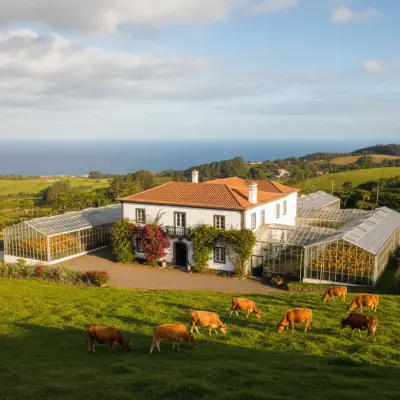
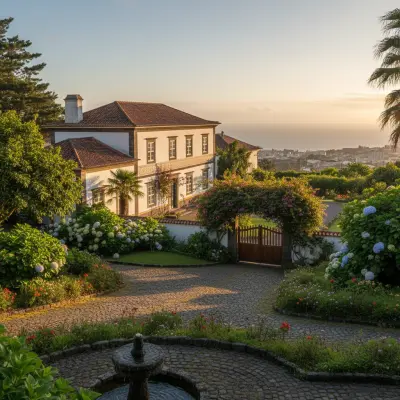
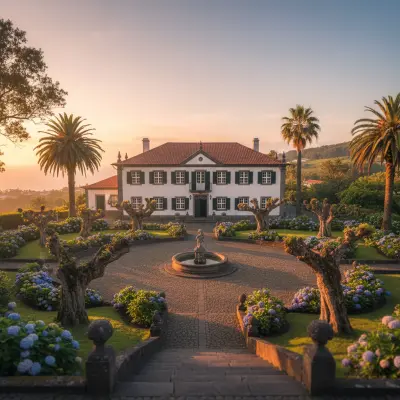
Ponta Delgada has chain hotels and city-centre apartments, but the best way to experience São Miguel is staying outside town. Rural tourism here isn't rustic by default, it's sophisticated, wrapped in green, and places you inside the very landscape you came to see.
Herdade do Ananás is the obvious pick for anyone wanting to immerse in the island's agricultural culture without sacrificing comfort. Quinta da Abelheira has a location that works as a base for exploring both the east and west of the island. And Quinta da Casa Grande offers that Azorean manor house atmosphere that's a destination in itself.
Any of these puts you 15-25 minutes by car from central Ponta Delgada, which is ideal. A rental car is essential in the Azores, public transport exists but it's sparse and slow. Book ahead for May, as supply isn't huge and prices climb toward summer. Budget €30-50 per day for a small car.
Whales and open water
May is one of the best months for whale watching in the Azores. The big migratory species, resident sperm whales, plus blue whales and fin whales passing through, are active. Trips depart from Ponta Delgada's harbour and typically last half a day. Seeing whales isn't guaranteed (distrust anyone who promises otherwise), but sighting rates in May are high. Dolphins are almost certain.
Dress in layers, bring sunscreen even under clouds, and know that seasickness is real, take preventive measures if you're prone. Prices vary between operators but expect €55-70 per person for a half-day outing.
Beyond São Miguel
If you have time, hopping to another island transforms the trip. SATA runs frequent and reasonably priced inter-island flights. Faial, with Horta as its base, is a strong choice, our 24-hour Horta guide shows how to make the most of it even with limited time. Peter Café Sport, the Capelinhos Volcano, the marina painted by sailors from around the world, there's a lot packed into a small island.
Practical logistics
Flights from Lisbon and Porto to Ponta Delgada take about 2h30. Ryanair, SATA, and TAP operate the route, and in May prices are still reasonable, between €50 and €120 return if you book a month ahead. There are also direct flights from several European cities.
For a week in May, a realistic budget (excluding flights) sits between €70 and €120 per day for two people, covering rural tourism accommodation, car rental, meals, and one or two activities. The Azores aren't as cheap as they were a decade ago, but they remain more affordable than most European island destinations.
One final note: May in the Azores means rain. Not every day, not all day, but rain. Accept it as part of the experience. Bring a proper waterproof jacket, footwear that can handle mud, and the right attitude. The green that makes these islands unique in the world doesn't happen by accident.