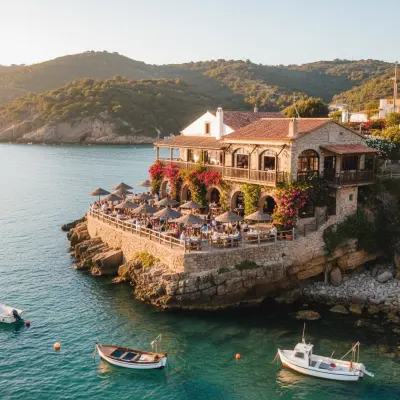
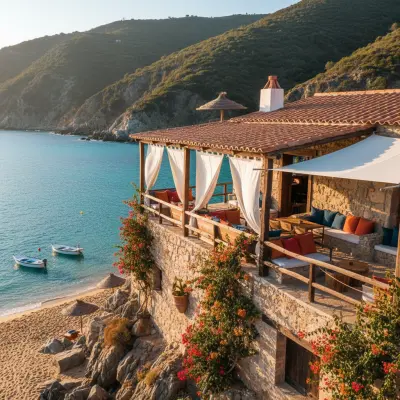
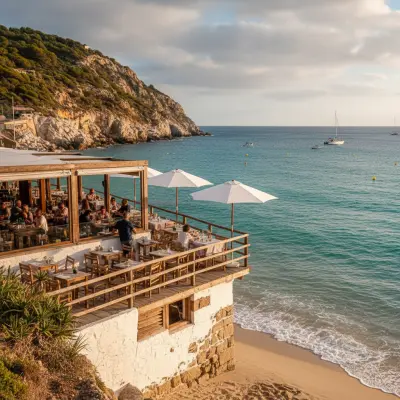
Arrábida Without the Crowds: A Real Weekend Guide
Arrábida doesn't work as a rushed beach day. With two days, the right strategy, and willingness to wake up early, you get mountain trails, uncrowded beaches, and Setúbal's best fried cuttlefish without the queues.
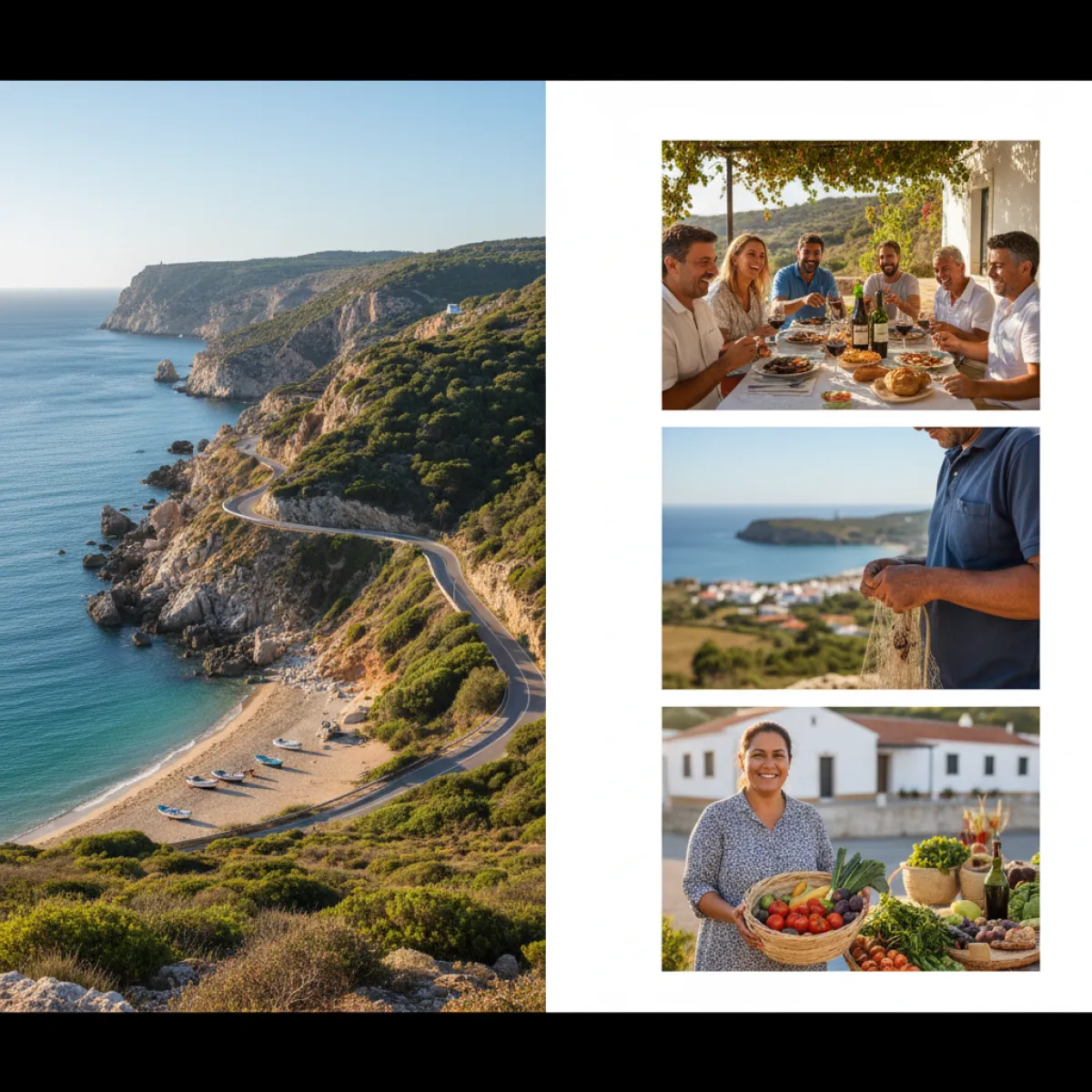
Let me be blunt: Arrábida is probably the worst-kept secret in the Lisbon region. Every local knows about it, everyone goes in summer, and almost everyone does the exact same thing. Drive down the mountain, park illegally, squeeze onto the sand, eat at a tourist restaurant in Setúbal, and drive home sunburnt. That's not a weekend in Arrábida. That's a beach day with traffic.
What I'm proposing is different. Two days, slow pace, no queues, no parking stress, and the genuine feeling of being on one of the last stretches of wild Mediterranean coastline in Portugal.
Friday evening: arrive before everyone else
The number one trick for enjoying Arrábida is simple: arrive on Friday. While Lisbon is still debating where to have dinner, you're already settled in. Azeitão is the ideal base. It's fifteen minutes from the mountain, accommodation is affordable, and you're surrounded by farms producing the region's best sheep cheese and moscatel wine that puts most desserts to shame.
For dinner, keep it simple. The village has honest tascas where you eat well without a reservation. Look for leitão (suckling pig), lamb, or grilled fish. If someone tells you a restaurant is "the best in the area" and the menu is translated into four languages, keep walking. Trust the place with paper tablecloths and a television in the corner instead.
Stop by Pastelaria Regional de Azeitão for the tortas de Azeitão. They're not a secret, everyone knows them, but they're genuinely good. Thin puff pastry, egg cream filling that isn't cloying, and they cost barely over a euro. Grab two or three for Saturday breakfast.
Saturday morning: the mountain before the heat
Wake up early. Not out of virtue, but strategy. At eight in the morning, the road down to Arrábida's coastline is empty. By eleven, it's a different story entirely.
If you want to understand what makes this mountain range special, take the hike to the Arrábida Convent. The Franciscan convent, founded in the 16th century, is wedged into the hillside with views over the sea. The friars chose this spot for its isolation, and when you arrive early in the morning, you understand why. The silence is real, the air smells of rosemary and rockrose, and the view over the Atlantic is among the most striking you'll find near Lisbon. The walk isn't long, but parts are steep. Bring water and proper footwear.
After the descent, you have a decision to make: which beach?
The beaches: what nobody tells you
Arrábida has three main beaches worth knowing, and each serves a different purpose.
Praia do Portinho da Arrábida is the most photogenic. Transparent water, light sand, green mountains falling into the sea. It's also the most crowded. If you go on a July or August weekend, forget it. But on a June or September morning? It's a different beach entirely. Arrive before ten, bring your own food, and enjoy the water that really is that absurd colour that looks like Photoshop but isn't.
Praia do Creiro is next door and the smarter alternative. Less pretty on Instagram, more comfortable in real life. It has more space, an organised car park, and a restaurant right there. For anyone with kids or anyone who simply doesn't want to compete for a square metre of sand, this is the right call.
Praia da Figueirinha is the most accessible. It's closer to Setúbal, has a larger car park, and the water is equally good. It's the beach for people who don't want adventure, they want beach. And there's nothing wrong with that.
My advice: on a Saturday morning, Portinho. If it's packed, head to Creiro without drama. Save Figueirinha for Sunday afternoon, when you no longer have the energy to drive up and down the mountain.
A note on access
Between June and September, car access to the Portinho area is restricted. The Natural Park controls entry and the number of vehicles is limited. There's an online booking system. Do not show up without checking the current rules on the ICNF website. The alternative is to leave your car at the top and walk down, which takes about twenty minutes and makes for a good warm-up before the swim.
Saturday afternoon: Setúbal deserves more than a pit stop
Most people treat Setúbal as a pit stop for choco frito (fried cuttlefish). That's a mistake. The city has a compact, authentic historic centre, with the Mercado do Livramento as its highlight. This market is often cited as one of the best in Portugal, and rightly so. The fish is fresh daily, prices are fair, and the interior tilework is worth the visit on its own.
The choco frito, yes, eat it. It's the city's signature dish. Strips of cuttlefish, battered and fried, served with tomato rice or chips. Simple and good. Find a petiscos house in the centre, avoid the waterfront restaurants with laminated menus and photographs of the food.
If your legs still work, climb up to the Forte de São Filipe. The view over the Sado estuary and the Tróia Peninsula is excellent, especially in the late afternoon. The fort itself has some historical interest, but it's the panorama that justifies the climb.
Sunday: slow rhythm and cheese
Sunday is for decompressing. No ambitious plans. Go back to Azeitão and wander through the local estates. Quinta da Bacalhôa has visitable gardens and a remarkable tile collection. José Maria da Fonseca, right in the centre of Vila Nogueira de Azeitão, offers guided visits with moscatel tasting. Book ahead.
For lunch, look for roast lamb or lamb stew. It's the local speciality, and when done well, with potatoes soaking up the sauce, it's one of the great Sunday lunches in Portugal.
If this weekend leaves you wanting to explore more of the region, the Lisbon and Tagus Valley area has plenty to discover. For anyone who enjoys diving into neighbourhood life, our guide to local culture in Lisbon is a solid starting point. And if Sintra is on your radar, we have a neighbourhood guide to Sintra that goes beyond the palaces. For those visiting around Easter, it's worth a detour to Mafra to follow our Easter sweets trail in Mafra.
Practical tips, no fluff
- By car from Lisbon, it's 40 to 50 minutes to Azeitão via the A2. Without a car, TST buses run from Sete Rios and Praça de Espanha to Setúbal, but exploring the mountain range freely really requires a car.
- Fuel and tolls: budget 10 to 15 euros in tolls round trip.
- Accommodation in Azeitão or Setúbal: options range from around 50 euros per night in local guesthouses to estate stays above 100. Book ahead in summer.
- Always bring water, sunscreen, and shoes that can handle dirt trails. The mountain isn't the Gerês, but it's not a mall walkway either.
- Off-season (October to May), Arrábida is a completely different experience. Fewer people, more quiet, and the mountain turns green and full of wildflowers in spring.
The bottom line
Arrábida doesn't need to be consumed in a single stressful beach day. With two days, a minimum of planning, and the willingness to wake up early, you get beach, mountain, great food, and that rare feeling of being somewhere beautiful without feeling like a sardine in a tin. It's that simple.