The Blue You Have to Earn
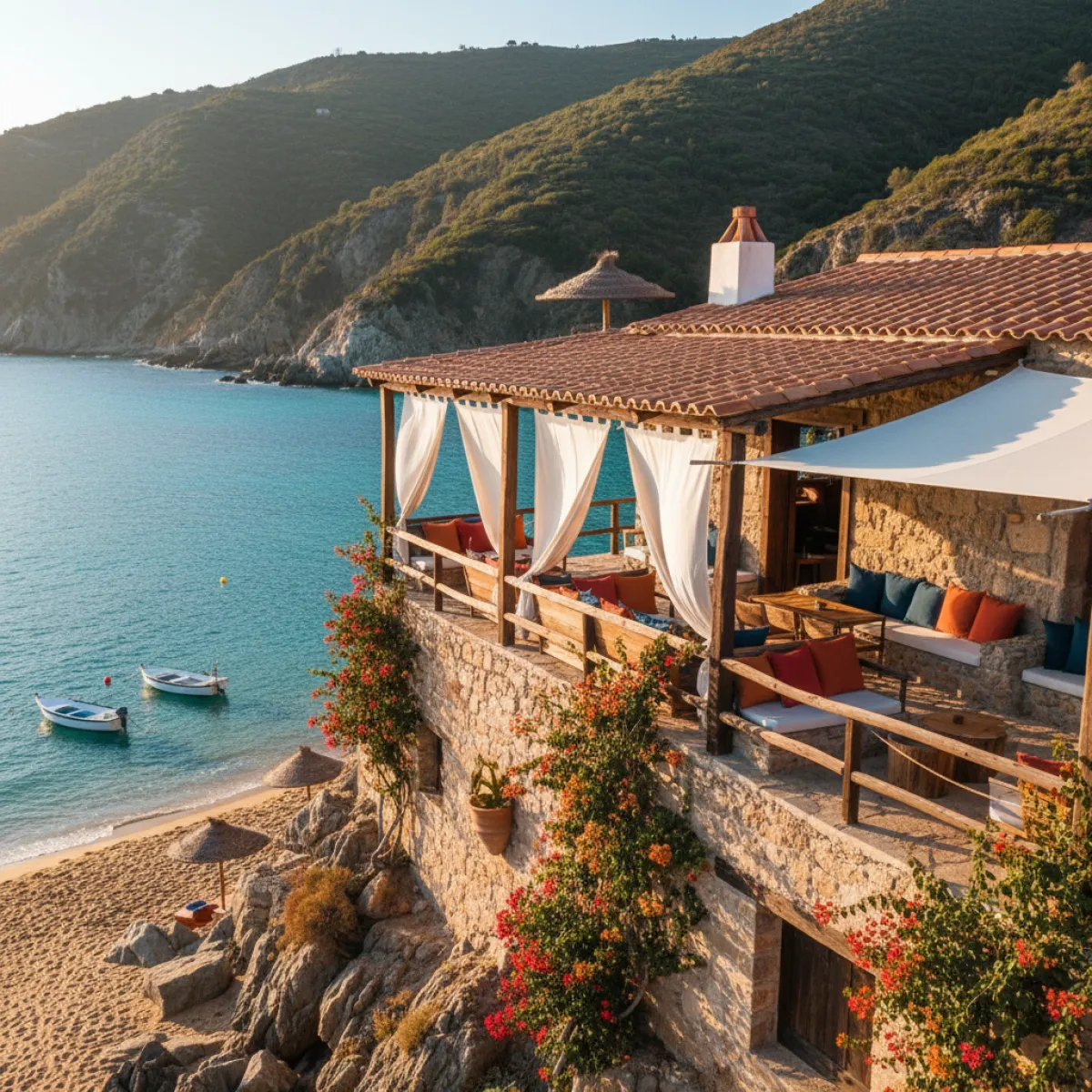
Forget the Algarve. If you want to know where the savvy Lisbonites and Setubal locals disappear to when the mercury hits thirty, the answer lies at the foot of the Arrábida mountains. Praia do Creiro isn't just another stretch of sand; it’s a lesson in logistics rewarded by a visual payoff that makes most European beaches look like an afterthought. Located in the heart of the Arrábida Natural Park, this bay is where the limestone cliffs take a plunge into an Atlantic that, through some quirk of light and geology, masquerades as the Caribbean.
Getting here requires a bit of a strategic mind. If you attempt to drive down in the middle of July at noon, you’ve already lost. The access to Praia do Creiro, found at Praia do Creiro, 2925-378 São Lourenço, Setúbal, is strictly managed by the "Arrábida without cars" program. My professional advice? Park your car in the designated lots in Setúbal or at Figueirinha and take the shuttle bus. It’s the only way to keep your blood pressure in check and avoid a creative fine from the local authorities. The price is symbolic (€), but the peace of mind is worth everything.
Roman Ruins and the Whale Rock
What distinguishes Creiro from its neighbor, Praia do Portinho da Arrábida, isn't just the slightly wider shore, but its historical weight. On the eastern edge of the beach, you’ll stumble upon the remains of a Roman fish-salting station. This isn't a plastic tourist recreation; these are the actual vats where, in the 1st century AD, Romans produced garumthe fermented fish sauce that fueled an empire. There is something deeply grounding about drying off on a towel just a few meters from where people were industrializing the sea two millennia ago.
Then, there is Pedra da Anicha. This rocky islet rises from the turquoise depths like the petrified back of a whale. It’s a protected Zoological Reserve, and for good reason. If you have the constitution to handle the water temperature, which is "invigorating," to use the polite term, bring a mask and snorkel. The ecosystem around the rock is teeming with life: bream, octopuses, and a kaleidoscope of Atlantic flora. It’s the antithesis of the sterile, sandy-bottomed beaches found elsewhere. Here, the sea feels alive, vibrant, and slightly wild.
Survival of the Earliest
The Creiro experience is rated at the € price point, meaning it's accessible, but the infrastructure is minimal by design. There are a few beach restaurants, but they fill up faster than a lifeboat on the Titanic. Don't expect a dry list of opening hours; the beach is public, though lifeguard services and concessions generally run from 9:00 AM to 7:00 PM during the summer season. For the latest on access or conditions, you can call +351 265 009 330, though don't be surprised if they're too busy enjoying the view to answer immediately.
If you find the act of sunbathing mind-numbingly dull after an hour, look up. The mountains above are crisscrossed with trails that offer a different kind of payoff. For those looking for a bit more than just a tan, I highly recommend checking out The Franciscan Silence: A Spiritual Hike to the Convento da Arrábida. The hike up to the monastery provides a perspective on the coast that makes the logistical scramble for a parking spot seem like a very small price to pay. From up there, the turquoise of the Creiro looks even more improbable against the deep forest green of the slopes.
Pro-Tips for the Discerning Traveler
- The 9:00 AM Rule: If you aren't on the sand by 9:30 AM on a sunny weekend, you’re playing a dangerous game with space. The tide also dictates the real estate; at high tide, the beach shrinks significantly.
- Footwear: The walk from the Roman ruins to the water can be a bit of a scramble over stones. Leave the designer slides in the bag and wear something that can handle a rock or two.
- The Wind Factor: Arrábida is famous for being sheltered from the 'Nortada' (the fierce north wind). When the rest of the Lisbon coast is being sandblasted, Creiro is usually as calm as a lake.
- The Official Site: For more context on the area, the official Visit Setúbal page has the high-level details, but they won't tell you where the best shade is (hint: it's under the cliffs on the far right).
Ultimately, Praia do Creiro is for people who believe that the best things in life aren't just handed to you. It’s for those who don't mind a shuttle bus ride with strangers and a bit of a walk. But once you’re bobbing in that crystal-clear water, looking back at the massive green lung of the Arrábida hugging the white sand, you'll realize it’s one of the few places left that feels truly earned. It is Portugal at its most raw and beautiful, just geology, history, and a blue that stays with you long after you’ve washed the sand out of your car.