Arrábida After Dark: Wine and Petiscos for Foodies
Queijo de Azeitão oozing onto the plate, 20-year-old Moscatel in the cellars of José Maria da Fonseca, and crispy choco frito at a Setúbal tasca. An evening itinerary for those who take food seriously.
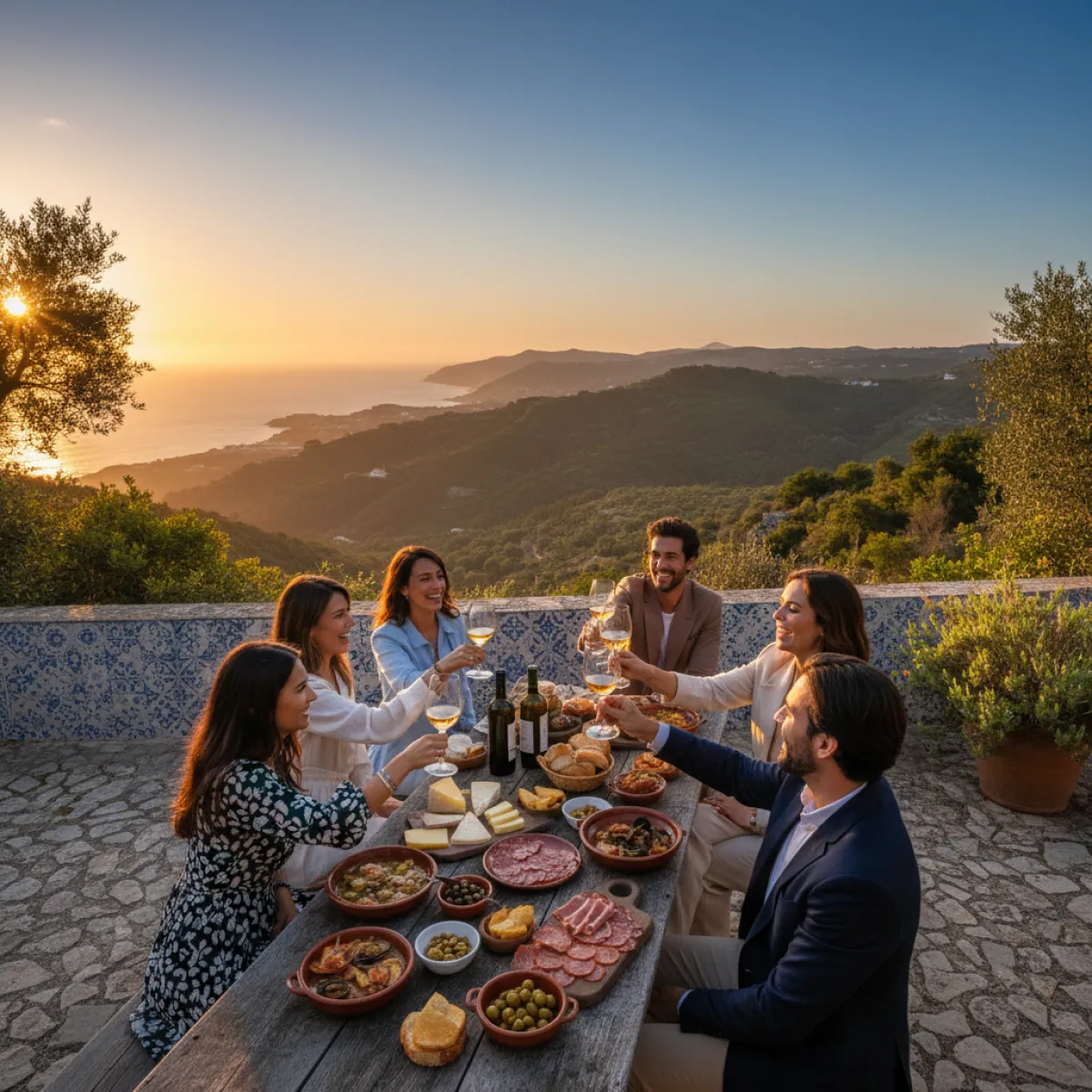
There's a specific moment in Azeitão, when the sun starts dropping behind the Serra da Arrábida and the smell of fresh bread mixes with the scent of the vineyards, when everything clicks. Right there, where the road between wine estates slows down, is where the best food itinerary south of the Tagus begins. You don't need a reservation at a Michelin-starred restaurant. You just need to know where to stop, what to order, and above all, what to drink.
First, some context: why Arrábida?
The Setúbal Peninsula has been producing wine since before Portugal existed as a country. But for decades, the region lived in the shadow of the Douro and Alentejo. That's changing. Moscatel de Setúbal, that sweet, dense wine your grandmother probably had in a dusty bottle in the cabinet, is being rediscovered. And alongside the Moscatel, there are table reds and whites that rival anything coming out of the Dão.
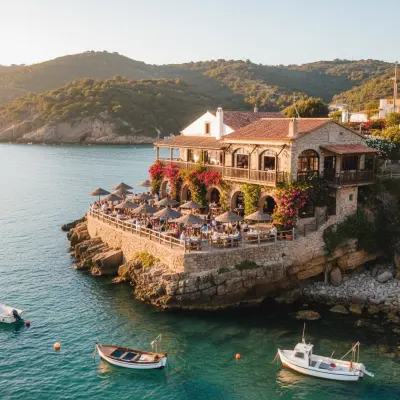
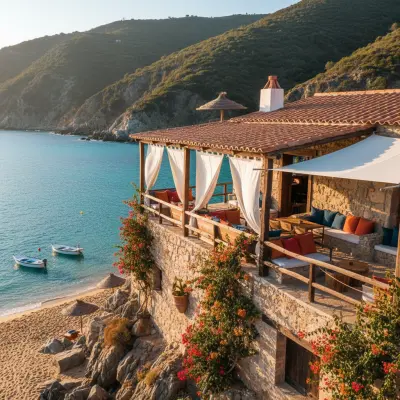
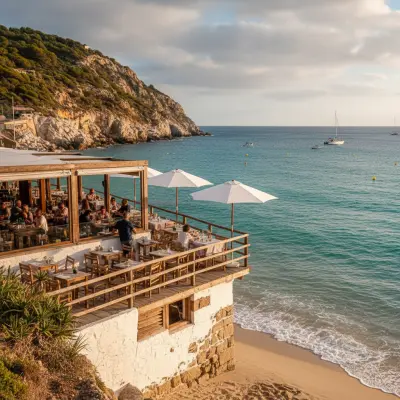
The big advantage? It's 40 minutes from Lisbon. If you've spent the day at the region's beaches, like Praia do Portinho da Arrábida or Praia do Creiro, the transition to an evening of wine and petiscos is seamless. Salt on your skin, hunger in your stomach, thirst for something good.
Stop 1: Azeitão and the cheese that runs
Start in Vila Nogueira de Azeitão. This is where Queijo de Azeitão DOP is made, a soft sheep's milk cheese that, when it's perfectly ripe, oozes onto the plate like lava. You eat it with a spoon, alongside toasted bread and a glass of local red. If you've never tried it, brace yourself: it's intense, slightly acidic, with a finish that lingers.
Look for it at local producers or in Azeitão's grocery shops. A whole cheese typically costs between 5 and 8 euros depending on size. My advice: buy two. One to eat there, one to take with you. You'll regret buying just one.
While you're in Azeitão, stop by Pastelaria Cego, which has been open since 1901, next to the Igreja da Misericórdia. The Tortas de Azeitão here are the original: a thin layer of pastry rolled with an egg, cinnamon, and lemon filling. Not exactly a wine-pairing petisco, but non-negotiable. Each torta costs just over a euro. Grab half a dozen for the road.
Stop 2: The cellars that matter
The Setúbal Peninsula Wine Route passes through dozens of producers, but for a well-spent evening, focus on the two big names in Azeitão.
José Maria da Fonseca
Operating since 1834, this is the home of Moscatel de Setúbal and Periquita, arguably the best-selling Portuguese red of all time. The visit includes the historic cellars where Moscatéis age for decades. It's worth it for the contrast alone: the cool stone cellars against the heat outside, and the sweet, complex aroma of old wines saturating the air. Check the official website for current hours and prices, as they vary by season.
What to taste: ask for the 20-year-old Moscatel de Setúbal. It's another league. Honey, candied orange, spices. Then try the Hexagon or Domini, full-bodied reds that show the region does far more than dessert wines.
Bacalhôa Vinhos de Portugal
If José Maria da Fonseca is tradition, Bacalhôa is the contemporary side. The property at Quinta da Bassaqueira combines vineyards with an impressive art collection: tiles from the 15th to 19th centuries, African art, and a Japanese garden among centuries-old olive trees. It's almost surreal. Here, beyond the Moscatel, the table wines are worth your attention, especially the whites made from the Fernão Pires grape.
Stop 3: Proper petiscos in Setúbal
With two or three glasses in you and the sunset already fading, head down to Setúbal. The city has an honest relationship with food: no tricks, no foam on anything. Fresh fish, shellfish, and the undisputed king of local gastronomy: choco frito.
Choco frito is Setúbal's icon. Strips of cuttlefish, battered and fried until crispy on the outside, tender within, served with lemon. Sounds simple. It is simple. But when the cuttlefish is fresh and the frying is spot-on, no appetizer at any upscale restaurant compares. You'll find it in practically every cervejaria or tasca in town. Pair it with a cold white from the region.
Don't stop at the cuttlefish. Order amêijoas à Bulhão Pato (clams in garlic, coriander and white wine) if they're available. And if you see caldeirada de peixe (fish stew) on the menu, it's almost always a safe bet in Setúbal.
Mercado do Livramento
If you can manage to visit the Mercado do Livramento during the day, before the evening food crawl, do it. It's considered one of Portugal's best municipal markets, and rightly so. The fish stalls are spectacular: sole, sea bass, bream, all caught that day. There's also Azeitão cheese, cured meats, and regional fruit. The market operates in the morning, so it doesn't fit the evening itinerary, but it gives context. You understand where the quality on your plate comes from.
The full route: how to plan the evening
Here's the practical suggestion, assuming you start in the late afternoon:
- 5:00 PM: Arrive in Azeitão. Queijo de Azeitão and tortas at Pastelaria Cego. Stroll through the village centre.
- 6:00 PM: Wine tasting at one of the cellars (José Maria da Fonseca or Bacalhôa, depending on availability). Book ahead, especially in summer months.
- 7:30 PM: Drive to Setúbal (15 minutes). Walk along the waterfront as the sun sets.
- 8:00 PM: Petiscos dinner at a cervejaria or tasca. Choco frito, clams, grilled fish, all paired with white wine from the Setúbal Peninsula.
Estimated cost per person for the whole evening: between 40 and 70 euros, including wine tastings, cheese, dinner, and an extra glass or two. Obviously depends on appetite and thirst, but it's remarkably affordable for the quality.
Before or after: what else to do in the region
If you have more time in the area, Arrábida offers plenty beyond the glass and the plate. In the morning, before the gastro itinerary, Praia da Figueirinha is one of the most accessible beaches on the coast and perfect for a morning swim. For something more contemplative, the spiritual hike to the Franciscan Convent is an experience that contrasts beautifully with the more earthly pleasures of the evening.
And if the region wins you over enough to explore more of what surrounds Lisbon, our guide to local culture in Lisbon is a good starting point for continuing the journey. Or if you're drawn to pastry with history, the traditional sweets route in Mafra reveals another side of the Lisbon region's confectionery traditions.
Practical notes
A car is essential. Public transport between Azeitão, the serra, and Setúbal exists but is limited and poorly suited to an evening itinerary. If you're coming from Lisbon, cross the Ponte 25 de Abril and follow the A2 towards Setúbal. If you're staying in Setúbal or Sesimbra, everything is within 20 minutes.
One important note: if you're tasting wines and driving, designate a driver or limit yourself to tasting and spitting at the cellars. The wines are too good to waste, but the serra road doesn't forgive.
Always confirm cellar opening hours before you go. José Maria da Fonseca and Bacalhôa both offer organized visits, but hours vary and advance booking is recommended, especially between June and September.