Arcos de Valdevez in Summer: Cool Trails and Villages
If you arrived in Arcos de Valdevez looking for Serra da Estrela, you're in the wrong district, but for the right reason. Properly shaded trails, glacial rivers at 16 degrees in August, and Sistelo looking hand-painted. The honest guide to escaping the heat without crossing the country.
Let's clear up a geographic confusion right away: Serra da Estrela sits in central Portugal, almost four hours from Arcos de Valdevez. If you turn up in Arcos hoping for July snow, you're in the wrong district. But if you came looking for what Serra da Estrela promises in summer, cool air, shaded trails, granite villages that haven't been Disneyfied, rivers where your phone gives up trying to find signal, then you are exactly where you should be. Here, in the Minho, the mountains go by other names: Soajo, Peneda, Gavieira. And in August, while the Algarve cooks at 38 degrees, Arcos can be sitting at 24 by midday.
This is the guide I would give a friend who phoned to ask where to escape the heat without crossing the entire country. It's not a three-day itinerary with timed slots. It's a list of concrete things, with street names, with specific dishes, with the hour worth showing up at a particular viewpoint because the seven o'clock light over the river Vez is different from the five o'clock light.
Why Arcos and not Estrela itself
Serra da Estrela works in summer, but has three problems. First, it's crowded. Torre is a car park with a view. Second, it's hotter than people expect: at 1500 metres in full sun, 30 degrees turns up without ceremony. Third, there's no shade. Estrela is bare granite, low scrub, lunar landscape. Beautiful, but unforgiving.
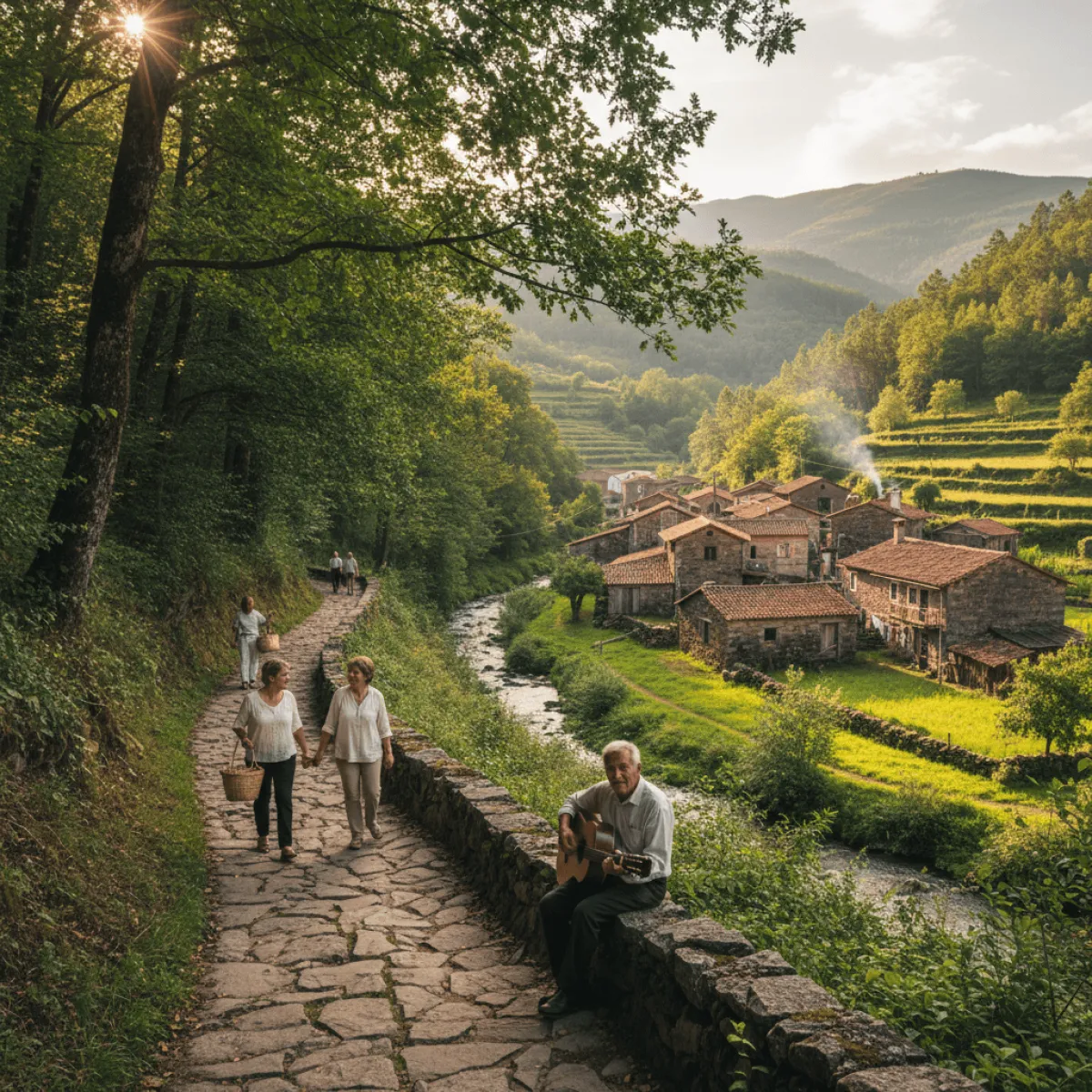
Peneda-Gerês National Park, where Arcos de Valdevez has its better half, offers the opposite: dense oak forests, year-round rivers, glacial lakes where the water hovers around 14 degrees in the middle of August. The villages, Soajo, Sistelo, Tibo, Ermelo, have that time-capsule quality everyone promises and few deliver. Sistelo was actually recognised by UNESCO as a Cultural Landscape for its terraced fields, and it looks hand-painted by someone with patience.
When to go, exactly
Late June through mid-September is the window. July and August are the busy months, with the wrinkle that the first half of August brings the Vale do Vez festival to the village and everything spikes: lodging, tables, patience. If you can pick, go in June or the second half of September. The river water is still tolerable, the roads are empty, and restaurants aren't pushing 90 covers per service.
Avoid Sundays on the road up to Soajo. Families from Braga and Porto arrive in force to eat arroz de cabidela and take selfies at the espigueiros. Saturday early morning, or any random Tuesday, is another planet.
Trails worth doing (and ones that aren't)
The first thing to know about the trails in the National Park is that many are poorly marked or were damaged by the 2017 fires. Don't leave the house without the route downloaded offline, real water (not a 33 cl bottle), and shoes that hold your ankle on loose ground.
The Branda da Aveleira loop, starting from Gavieira, is the one I send friends who want the complete package without killing their legs. Five kilometres, 200 metres of elevation, passing through a restored seasonal settlement, crossing pine woods, ending with a view over the Adrão valley. Done at an easy pace, two and a half hours. Take something for a picnic and eat in the branda: there are stone tables in the shade.
For something more serious, the seven lakes trail from Lindoso is the classic. But it's long (around 18 km), navigation gets tricky in places, and demands an eight a.m. start. Don't attempt it in July or August without a hat, two litres of water per person, and telling someone where you've gone. Halfway in there's no signal, no continuous shade, and nobody selling Coca-Cola.
If you'd rather not gamble on your own, and frankly for anyone who doesn't know these mountains this is the sensible answer, I'd recommend booking the guided viewpoint hikes in Arcos de Valdevez. The guide knows which paths survived the fires, where you can drink from the spring without thinking twice, and takes you to places the Instagram crowd doesn't reach. It costs more than going alone, but it sidesteps the classic mistake of being lost at four p.m. with a dead phone.
Where to swim in the river
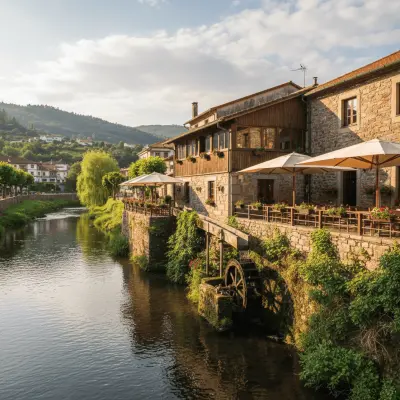
The Vez has two or three good spots inside the district. The Valeta river beach, next to the town, is the most obvious option and therefore the busiest. It works if you've got young kids, since there are changing rooms, a bar, and water quality is monitored. For proper swimming in a less developed setting, head up to Sistelo: the river runs through the village, there are deep pools by the old bridge, and there's usually room for one more towel between the rocks.
In peak August the water sits at 16 to 18 degrees. This is not the Algarve. Getting in costs you somewhere between a swear word and an actual scream, and then it passes.
Villages that still exist for real
Soajo is the village everyone knows for the espigueiros, that row of small granite grain stores on stone slabs, some over two hundred years old. Seen from the espigueiro square at the end of the day, with golden light hitting the granite, it's one of the better half-hours you can have in this country. Arrive around seven in the evening in June, eight in July and August. Mid-afternoon it's full of bus tours. By dusk, the coaches have gone.
Sistelo is different. It's the village of the terraces, the water channels that still function, and it has a human scale Soajo has lost. Park at the bottom and walk up. There's a wooden boardwalk that loops through the terraces and is worth every minute. About an hour at a pace that isn't trying to win anything.
Ermelo, on the Lindoso side, is my favourite and for that reason I'll say little. Thatched roofs, granite houses, cattle crossing the road, nobody selling postcards. Go on a Saturday morning, take a walk, drink from the spring if you trust your stomach, move on.
Where to eat without disappointment
Arcos town isn't a gastronomic capital, and anyone arriving expecting revelations leaves loosening the belt. But there are good tables, and the best surprise is Flume Restaurante & Bar, by the river. The kitchen plays a league above what you'd expect from a town this size: fresh fish, properly handled local meat, serious vinhos verdes (not the sweet tourist version). The terrace by the Vez at dinner, with water running behind you, justifies the detour. Book, especially in August.
For a working lunch or quick meal there are honest tascas in the centre, but the game is simple: order the day's special written in chalk, drink the house wine, and be suspicious of any menu translated into four languages with laminated photographs.
Dishes worth hunting for: kid goat roasted in a wood oven (weekend, always pre-ordered), bola de carne, papas de sarrabulho (winter dish, but some kitchens make it all year), and cozido à minhota when it appears. For dessert, the Abade de Priscos pudding hails from this region and earns its reputation.
What to do when the sun goes down
Arcos is not Lisbon. Nightlife in August adds up to two or three terraces in the centre and the bar at the river beach. By September, almost everything shuts until April.
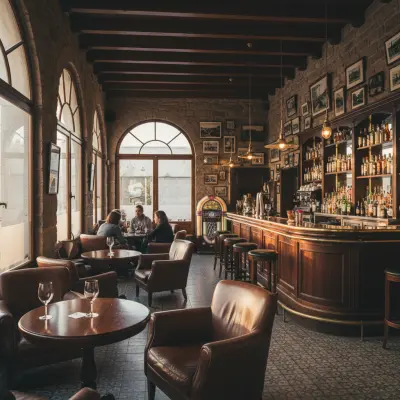
For something more than a terrace, Retro Bar Galerias is the answer. Unpretentious atmosphere, decent cocktails, music that doesn't force you to shout, a crowd that mixes locals with people on holiday in the area. It's not a destination, it's a good last stop before heading back to your room.
Stretching to Ponte de Lima
Arcos shares one advantage with the whole Minho region: nothing is more than 40 minutes away by car. Ponte de Lima is a good half hour down the N101, and it's the kind of place that justifies a full day, or at least a morning with lunch attached.
If you have the time and want to experience the region from another angle, it's worth considering horseback riding along the Lima river. Works best early morning or late afternoon, out of the heat. Beginners are catered for; if you already ride, you can ask for harder trails through the floodplain.
And Barcelos
Barcelos is an hour's drive and deserves a return visit on its own. If you're around in May, catch the Festa das Cruzes, one of the more serious religious feasts in the north without descending into plastic folklore. Travelling with kids, our honest family guide to Barcelos helps you sidestep the obvious traps. And if you just want to understand local café culture, run through our cafe-by-cafe order guide. Different league, different town, all fits in the same trip.
Logistics without illusions
By car, Arcos is an hour and ten from Porto via the A3 and A27. By public transport it's possible but painful: train to Viana do Castelo, then bus. To explore the district properly, without a car you won't get far. Rent one.
Lodging: rural houses in Sistelo, Soajo and Gavieira are what make sense. In August book at least two months ahead. The average for a house sleeping four runs between 90 and 150 euros a night, depending on location and finish. Check locally whether the house has proper hot water: it sounds secondary in August, but anyone arriving back wet from an eight p.m. river swim will thank you.
Fuel: fill up in Arcos. Going up to Gavieira or Lindoso, pumps thin out, and some close on Sundays.
Mobile coverage: MEO tends to have better reach on the Soajo and Peneda ranges. Even so, download offline maps. In Tibo, your phone is a paperweight.
In short
Arcos de Valdevez in summer is a civilised answer to a Portuguese problem: how to escape the heat, the crowds and the mass-tourism rinse without leaving the country. It isn't Serra da Estrela. It's better, because it has rivers, shade, living villages and serious food. Arrive without rushing, hit the trails early, eat dinner slowly, and leave the phone face down on the table. Up here the mountains still run on the old timetable.