São João da Pesqueira: A Wine and Petiscos Evening Itinerary
Ditch the tourist menus and climb to São João da Pesqueira for an evening of raw schist, high-altitude wines, and petiscos that are as authentic as the landscape.
Where Wine Has a First and Last Name
Forget the river cruises that dump hundreds of tourists in Régua or Pinhão. If you really want to understand the Douro—the Douro of hard work, of schist that cuts your hands, and of wine that doesn't ask for permission to be drunk—you have to climb up to São João da Pesqueira. Here, the altitude changes the game. This is the municipality that produces the most wine in the entire Demarcated Region, but don't expect red carpets. Pesqueira is a land of honest people, granite buildings, and tables so laden with food they ignore whatever trends are currently fashionable in Lisbon or London.
Arriving here in the late afternoon, when the sun starts to dip and lights up the terraced slopes with the hue of old gold, is an experience that demands respect. Park the car and ditch the GPS for a moment. The first step toward a perfect evening starts with a stroll through Parque da Mata do Cabo. It’s the town's green lung, a space where the shadows of ancient cedars offer the necessary respite after a journey through the tight curves of the N222. This is where locals meet, away from the winery bustle, for a moment of stillness before the ritual of the petisco begins.
The Architecture of Power and a Glass in Hand
After stretching your legs, walk down toward Praça da República. It is one of the most beautiful and underrated squares in Portugal. Look at the 18th-century arcades. They aren't just decorative; they are a testament to an era when this town was the administrative heart of a region that fed the cellars of Gaia. Today, under these same arcades, the rhythm is different. Find one of the small cafes or wine bars that start opening their doors as the day ends. Order a high-altitude white—something with Rabigato or Viosinho grapes—to cleanse your palate. The air here is crisper than down by the river, and that reflects in the vibrant acidity of the wines.
If you have time before dinner, the Wine Museum (Museu do Vinho) is a non-negotiable stop. Housed in a former 18th-century warehouse, the museum doesn't get lost in boring charts. It tells the story of the Marquis of Pombal and the world’s first demarcated region, but it focuses on the people. It’s a necessary reminder that every bottle you’ll open later is the result of human effort that machines still haven't managed to replicate on these steep inclines.
The Petisco Trail: From Smoked Ham to Alheira
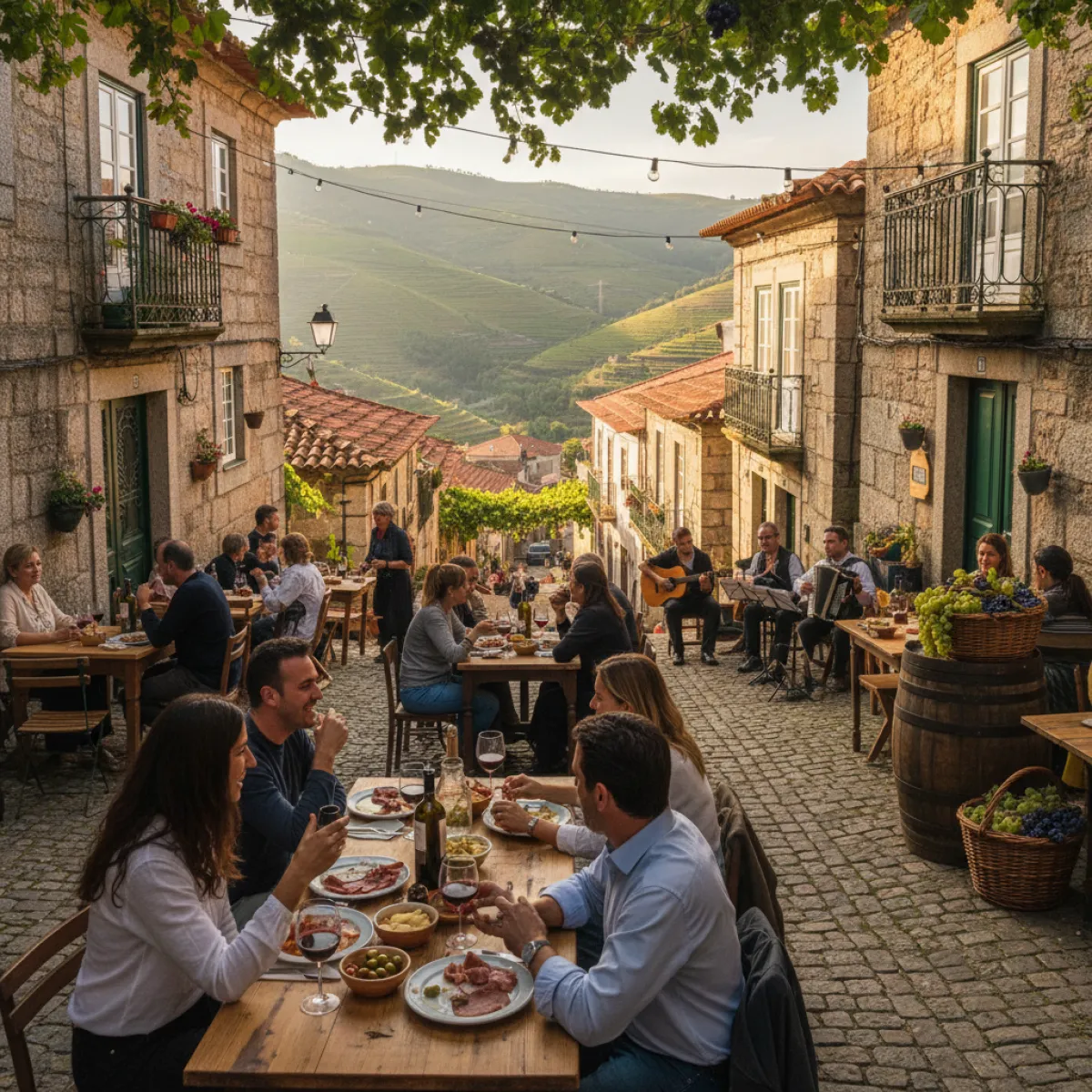
Pesqueira is not the place for tasting menus with foams and edible flowers. Here, the petisco is serious business. The ideal route starts with a platter of local charcuterie. The presunto (cured ham), aged in the cold mountain air, has a texture that melts in your mouth without being aggressively salty. Pair it with rye bread baked in a wood-fired oven—the kind with a thick crust and a dense, chewy center.
In one of the typical taverns near the courthouse, ask for fried alheira with eggs. Forget the calories; you're in the Douro Superior. The alheira here is robust, with just the right touch of smoke and garlic. If you find grilled pig's ear with green sauce (molho verde), don't hesitate. It’s the kind of dish that separates tourists from travelers. To wash these delicacies down, move on to a red Reserva. Look for wines from small family estates—often the owner themselves is behind the counter and can explain the exact percentage of Touriga Franca in that specific vintage.
The Aesthetics of Silence and the Shift to Lamego
As night falls, São João da Pesqueira transforms. The chatter of the terraces gives way to a silence that only those who know inland Portugal can truly appreciate. It’s a fascinating contrast to what you find in other nearby hubs. While in Lamego the experience can feel more solemn and structured, as we described in Lamego in Winter: The Geometry of Comfort and the Silence of Granite, here the atmosphere is one of elegant rusticity. You won’t find the specific fado echoes found in The Resonance of Granite: Fado and the Sonic Identity of Lamego, but rather the sound of clinking glasses and debates over the next harvest.
If your travel plans take you back west, you’ll notice the shift in the landscape. Pesqueira is the realm of raw schist, but as you approach Lamego, granite begins to dominate again. It’s a transition that defines the identity of this part of the country. For those looking for something more relaxed by the water, the guide on The Inland Coast: River Escapes and the Luxury of Stillness in Lamego offers a perfect counterpoint to this more arid, vertical Douro experience.
Practical Tips for the Gastronomic Traveler
When to go: Late summer during the harvest (September) is the most energetic time, but also the busiest. Opt for May or June to have the town mostly to yourself.
What to order: Besides the wines, don't leave without trying the Biscoitos de São João da Pesqueira. They are dry, barely sweet, and perfect for dipping into a glass of 10-year-old Tawny Port at the end of the meal.
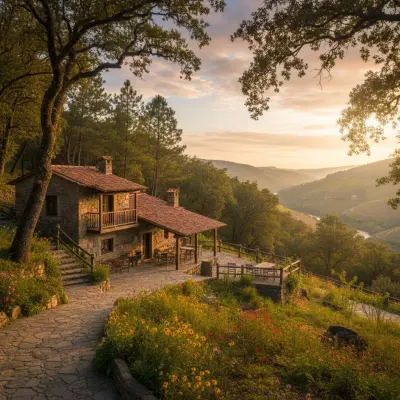
Logistics: São João da Pesqueira is about 2.5 hours from Porto. The road is winding, but the views are rewarding. If you’re drinking, stay the night. There are several rural tourism houses offering unpretentious comfort and a breakfast with regional cheese that makes the stay worthwhile.
Costs: An evening of petiscos for two, with high-quality wine, rarely exceeds 40-50 euros in the more traditional spots. It’s an accessible luxury that you’ll struggle to find in any European capital.
São João da Pesqueira doesn't reveal itself to those looking for the obvious. It’s a town that demands you sit at the table, listen to those who live there, and drink the wine with the awareness that the liquid in your glass is the distillation of a UNESCO-protected landscape. It is, ultimately, the Douro in its purest form.