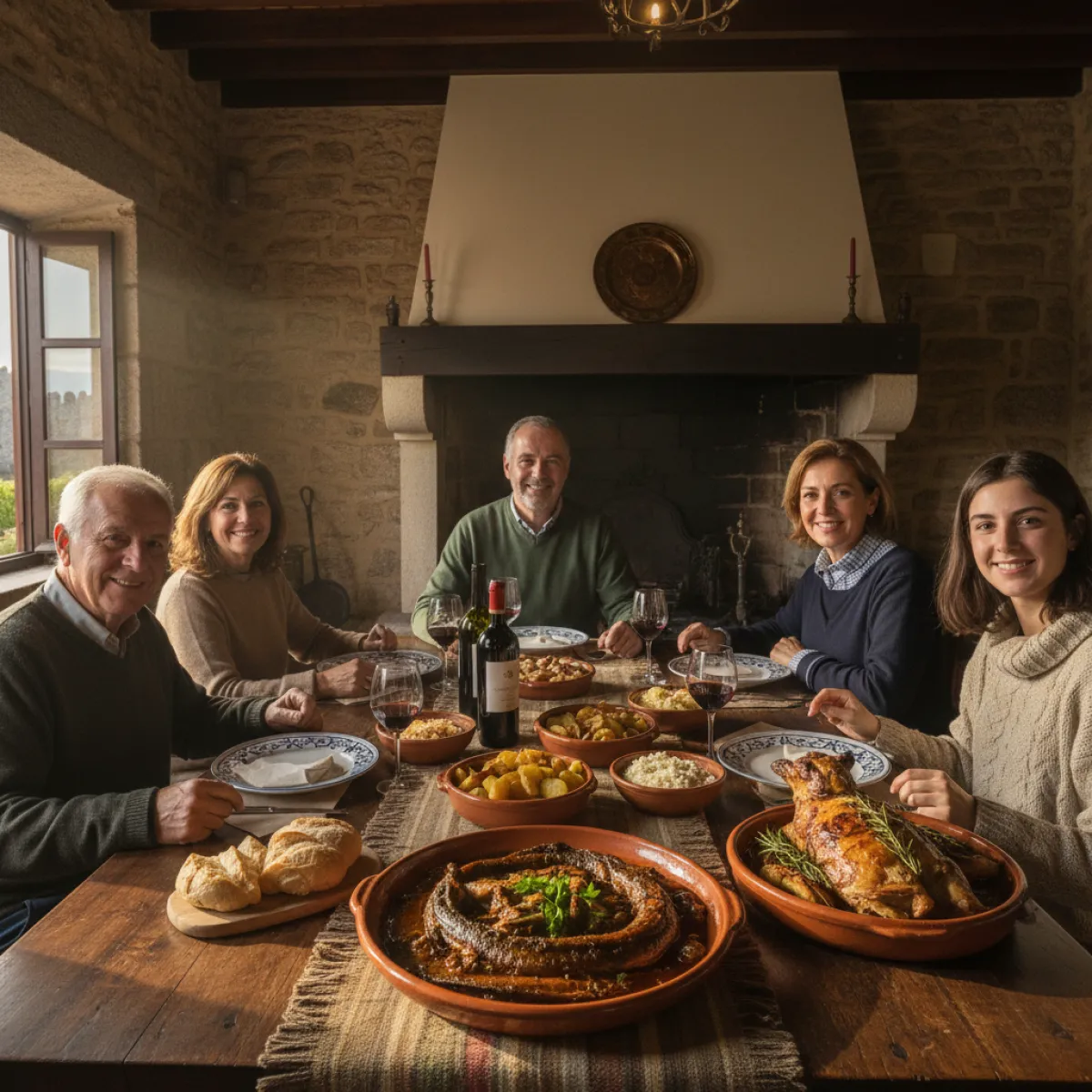
Castelo Branco: Lamprey, Roasted Kid, and the Beira Table
Forget the grilled fish; in Castelo Branco, spring is celebrated with the dark intensity of lamprey and wood-fired roasted kid. Discover why this Beira Baixa city is the ultimate destination for those seeking Portugal's authentic culinary soul.
The March Awakening in Beira Baixa
Forget the glossy brochures that sell Portugal as a mere string of Atlantic beaches and pastel-hued cities. To truly understand the pulse of this country, you must drive inland, where the landscape toughens, the people grow more direct, and the food becomes significantly more serious. Castelo Branco, the capital of the Beira Baixa region, is the epicenter of a culinary urgency that occurs every year between late winter and early spring. This isn't an Instagram trend; it’s a biological and cultural cycle revolving around two creatures: the lamprey and the kid (young goat).
Arriving in Castelo Branco in March means catching the scent of holm oak firewood burning in the chimneys of the oldest taverns. If you are following our Portugal Itinerary: A Week in the Heart of the Country, you’ll realize this stop is the necessary counterpoint to the sophistication of Lisbon. Here, the table makes no apologies for its rusticity. On the contrary, it celebrates it.
The Lamprey: A Prehistoric Nightmare That Tastes Like Glory
Let’s address the monster in the room. Lamprey is not for the faint of heart. This jawless, prehistoric fish, which looks like something out of a low-budget horror flick, is one of Europe’s most divisive delicacies. In Castelo Branco, the proximity to the Tagus River dictates the rule: lamprey is treated with almost religious respect. It swims upstream to spawn, and in that short window, the city’s kitchens transform into dark alchemy labs.
The signature dish is Arroz de Lampreia (Lamprey Rice). Forget dry, fluffy rice; here it is "malandrinho"—saucy, swimming in a thick, dark, deeply aromatic broth made from the fish’s own blood, high-quality red wine, plenty of garlic, and a touch of vinegar. The texture of lamprey is unique: firm, almost meat-like, but with a metallic, earthy flavor that evokes the riverbed. If you’ve never tried it, my advice is: don't look at a photo of the live fish. Close your eyes, inhale the aroma of cloves and pepper, and take that first bite. It is an acquired taste, but for those who acquire it, it becomes an annual obsession.
Pro tip: look for restaurants like 'Kalifa' or family-run spots near the train station. A portion of lamprey can cost anywhere from €35 to €50 depending on the year's scarcity, but remember you’re paying for a seasonal, wild product that requires hours of meticulous cleaning. If you prefer something more rhythmic but less "bloody," you might find the pace of life here mirrors the slow-travel ethos found in The Measured Pace: A Seven-Day Passage from Lisbon to Porto via the Ria, though the flavors here are far more aggressive than the coastal ones.
Roasted Kid: The Wood-Fired Ritual
If lamprey is the adventure, roasted kid (Cabrito Assado) is the absolute comfort. In Castelo Branco, kid isn't just a Sunday roast; it’s the backbone of Beira identity. Unlike lamb, which can be overly fatty, the local kid is lean, raised on the slopes of the Gardunha and Estrela mountains, giving the meat a clean, herbaceous flavor.
The secret is the oven. A true Beira Baixa kid must pass through a wood-fired oven, ideally in clay roasting pans. The meat is marinated in 'massa de pimentão' (bell pepper paste), garlic, lard, bay leaves, and white wine. The result? A skin so crisp it cracks like glass at the touch of a fork, protecting meat that falls off the bone without resistance. It’s served with roasted potatoes that have soaked up all the meat juices and, frequently, a side of 'arroz de miúdos' (giblet rice).
Do not expect minimalist presentations. The dish arrives at the table steaming, honest, and generous. It’s the kind of meal that demands a long nap afterward, or at the very least, a slow stroll through the city’s historic gardens.
Beyond the Plate: Silk and Symbolism
Castelo Branco isn't just about heavy gastronomy. Between meals, the city offers a fascinating visual contrast. While the food is dark and intense, the local art is vibrant and delicate. I’m talking about Castelo Branco's Silk Embroidery: Decoding the Symbolism of Love and Nature. It’s impossible to walk through the city without noticing the motifs of trees of life, birds, and hearts embroidered in silk on linen.
This craft is the reflection of a city that, despite being in the deep interior, has always had a connection to luxury and aesthetics. The Bishop’s Palace Garden (Jardim do Paço Episcopal) is another example. It is one of the most original Baroque gardens in Portugal, famous for its statues of kings—where the Spanish kings who ruled Portugal for 60 years are depicted smaller than the Portuguese ones, a bit of historical shade that has survived for centuries.
Logistics and Survival
Castelo Branco is easily accessible via the A23, about two and a half hours from Lisbon. If you are coming from the north, heading down from Coimbra: The Grammar of Time in Portugal’s Intellectual Capital is an excellent way to experience the transition from the coastal plains to the rugged interior.
Here are some practical notes for your visit:
- When to go: February to April for lamprey; Easter is the peak for roasted kid.
- What to buy: Castelo Branco Cheese (DOP). It’s a cured sheep’s cheese—spicy, buttery, and intense. It makes the famous Serra da Estrela cheese seem shy.
- Costs: A full meal with house wine in a good tavern costs about €20 to €25 (excluding lamprey).
- Where to walk: Hike up to the Templar castle at sunset. The view over the city and the plains reaching toward the Spanish border is worth the effort.
Castelo Branco might not have the obvious glitter of the Algarve or the grandiosity of Porto, but it has something scarce in modern tourism: truth. It’s a city that doesn't try to please everyone, and that is precisely why it’s worth the journey. Come for the curiosity of the lamprey, stay for the comfort of the kid, and leave with the certainty that Beira Baixa is, after all, the rustic and untameable heart of Portugal.