Walking Barroso's Agricultural Heritage Trails from Montalegre
Barroso was the first Portuguese territory classified by the FAO as a Globally Important Agricultural Heritage System, and the best way to see it is on foot. CEITA Montalegre runs guided walks past irrigated hay meadows, common lands and watermills with guides who grew up on the plateau.
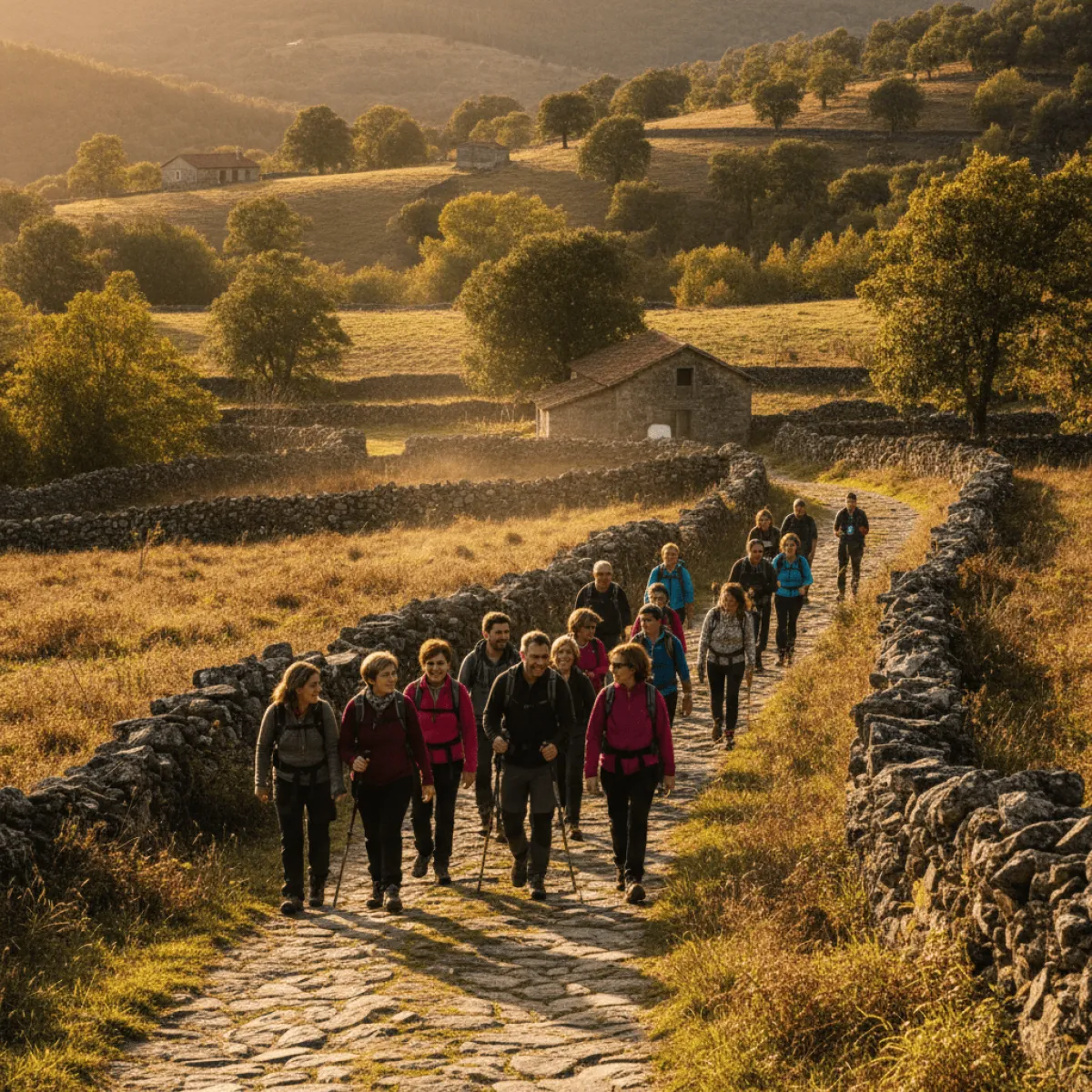
First, a correction that will save you an argument at the café: Barroso is not a UNESCO World Heritage site. It is something rarer. In 2018, the FAO, the United Nations food and agriculture agency, classified the Barroso agro-sylvo-pastoral system as a Globally Important Agricultural Heritage System (GIAHS). It was the first Portuguese territory to receive the designation and one of the first in Europe. Everyone around here says "UNESCO" as shorthand, and fair enough, but what the FAO recognised was not a monument. It was a way of working the land that has survived almost intact: communal cattle herding (the vezeira), village-managed common lands called baldios, hay meadows irrigated by centuries-old channels, communal ovens that still bake bread. And the best way to see it is not from a car. It is on foot.
Who takes you there: CEITA Montalegre
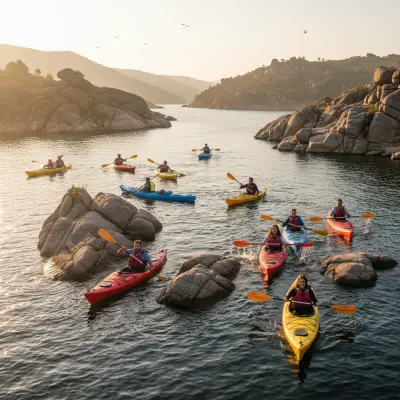
The local operator running guided walks on these trails is CEITA Montalegre, an adventure tourism company based in Friães, a few minutes from the town. They do a bit of everything, from kayaking on the Alto Rabagão reservoir to jeep tours, but the walks are where things get interesting if you want to understand Barroso rather than just photograph it. The guides are local, and it shows: they know which meadow is still irrigated the old way, which shepherd still takes the communal herd out, which watermill still has a working grindstone. The company itself carries the "Barroso Património Agrícola Mundial" (World Agricultural Heritage) badge and works the territory with that awareness.
They run several named routes: Trilho da Ceita, Trilho do Javali (the wild boar trail), Trilho das Capelas da Serra (mountain chapels), Trilho dos Moinhos d'Auga (watermills) and Trilho do Alto Rabagão, the last one combined with a via ferrata for people who want adrenaline with their scenery. If agricultural heritage is your thing, say so when you book. In our opinion the watermills trail tells the story best: the mills are the forgotten infrastructure of this farming system, and seeing them strung along a watercourse explains more about the plateau economy than any museum panel.
What you actually see on the trail
What makes these walks different from a hike in the touristy part of Gerês is that this is a working landscape. Expect to pass:
- Lameiros: permanently irrigated hay meadows, green even in August, fed by hand-dug channels. They are the heart of the system the FAO classified.
- Baldios: common lands managed collectively by the villages since before anyone kept records, where cattle graze together.
- Watermills and communal bread ovens, many still in use.
- Barrosã cattle with their enormous lyre-shaped horns, the breed behind the region's DOP-certified beef.
- Mountain chapels and border markers, because this is frontier country and Spain is always just over there.
The best moment? For us, meeting a herd of Barrosã cows mid-morning, bells clanking, no herder in sight, walking the route they have walked for generations. Nothing staged. That is the difference between Barroso and an open-air museum: nobody here is pretending.
How it works in practice
Booking is through CEITA's website, which uses the FareHarbor platform, or by phone (+351 937 819 067). Their base is at Bairro de Lamelas nº1, Friães, Montalegre, open 9am to 9pm. Walk prices are not published on the website, so confirm directly with the provider when booking; duration and meeting point depend on the trail you choose. Tell them your group's fitness level and interests: they adapt the pace and route, with options from gentle strolls to proper mountain days.
Tips from someone who has done it
- Book the morning. The light on the plateau is cleaner, the cattle are out, and summer afternoon thunderstorms over Larouco mountain are not folklore, they are meteorology.
- Proper hiking boots. Barroso's rural tracks alternate stone slabs, irrigation-channel mud and old ox-cart lanes.
- Bring layers even in summer. You are at around 1,000 metres and the daily temperature swing is brutal.
- Water and a hat. Shade is in short supply on the plateau.
- Coming between October and March? Read our winter photography itinerary on the plateau first: frost on the hay meadows is one of the best images you will take home from Portugal.
Getting there and where to stay
Montalegre is about 1h50 from Porto via the A24 and then the N103, one of the most beautiful roads in the north. There is no practical public transport option that fits hiking schedules, so plan on driving. For a bed, Hostel Retiro do Gerês is the obvious walkers' choice: cheap, simple and used to muddy boots at the door. Afterwards, the reward is serious: a plate of petiscos and a Barroso ham sandwich at Cafe Petiscos Rampa in town.
Is it worth it?
Yes, on one condition: arrive with the right expectations. This is not the Gerês of blue lagoons with a queue for the photo spot. It is a living agricultural territory, classified precisely because people still farm it. For context before you come, our guide to the Celtic roots and superstitions of Barroso explains where this communal culture comes from, and Montalegre beyond Barroso rounds out the day with the castle, an Iron Age castro and mountain cooking. Walking here with a local guide who grew up in these villages turns a pretty landscape into a lesson in agrarian history that, we promise, is anything but boring.