Dolphin Watching on the Sado in Setúbal: An Honest Guide
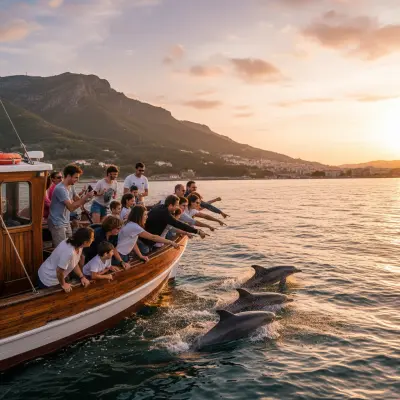
Around 30 bottlenose dolphins live year-round in the Sado estuary, one of only three resident populations in Europe. The 10:30 AM trip with Sado Arrábida from Doca das Fontainhas is the pick: small boat, biologist on board and the Arrábida ridge dropping straight into the sea.
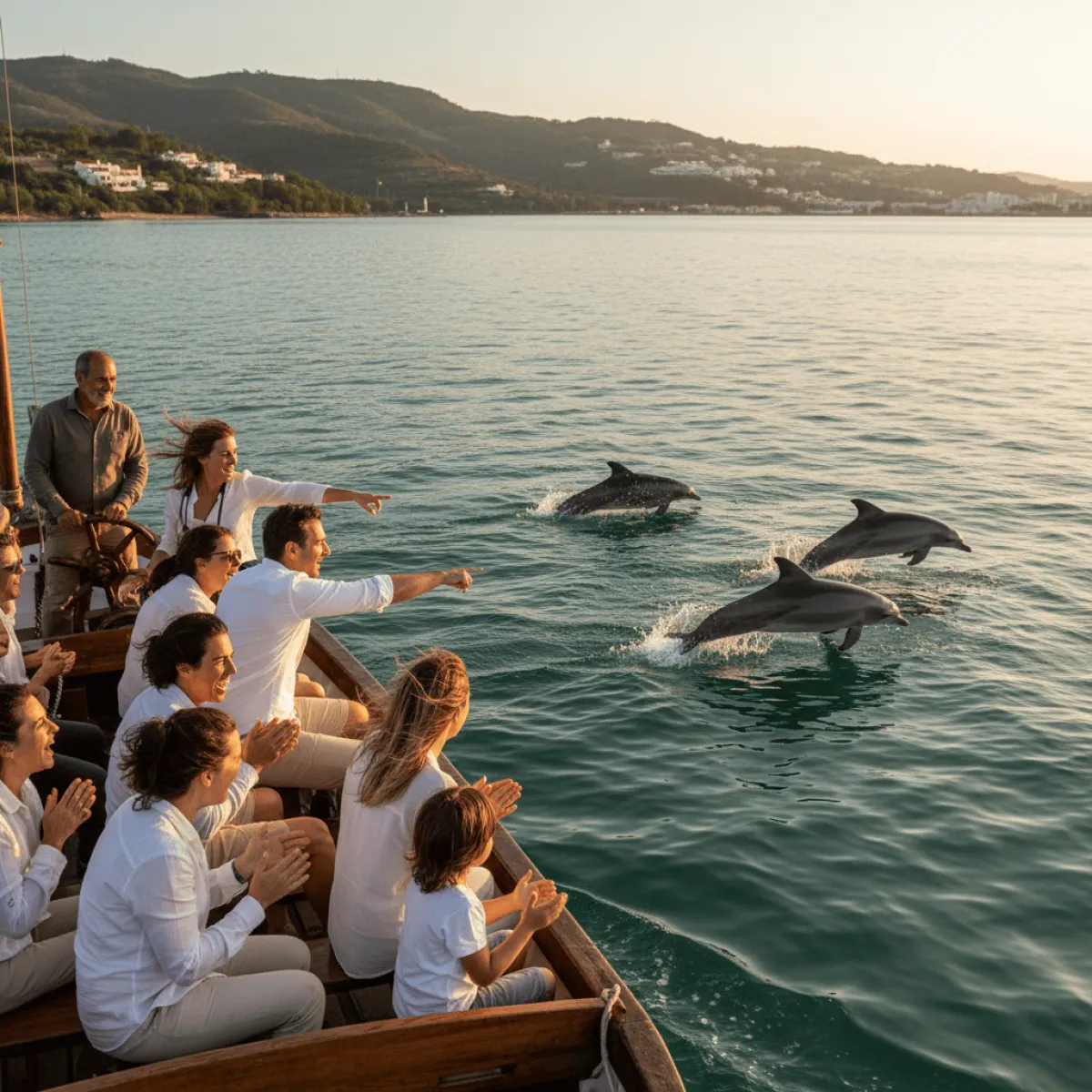
About thirty bottlenose dolphins live permanently in the Sado estuary. They do not migrate, they do not disappear in winter, they are not a marketing promise: this is one of only three resident dolphin populations in European estuaries, and they have been swimming between Setúbal harbour and the Tróia peninsula for generations. If you have half a morning free in Setúbal, this is the activity that makes the most sense. Just pick the operator and the time slot carefully.
Who to book with: Sado Arrábida
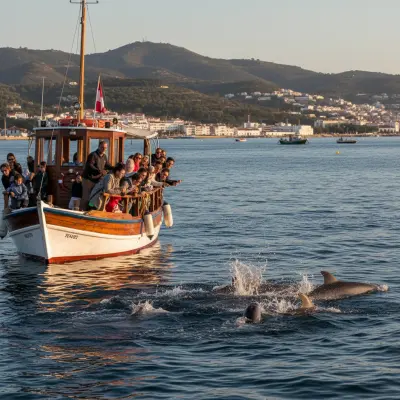
I recommend Sado Arrábida, departing from Doca das Fontainhas (next to the Tróia ferry pier). It is a family-run operation with a biologist on board on most trips and small boats that keep a respectful distance from the animals without ruining the view. The standard tour lasts around 2h30 and costs €40 per adult, €17.50 per child (4 to 12), with one child free per two adults. There is also a shorter 2-hour sunset trip at €30 per adult, with a drink included on board the MIL ANDANÇAS.
Book via +351 915 560 342 or at sadoarrabida.com. The other serious option is Dolphin Bay, on Rua do Clube Naval, which runs a catamaran with two underwater viewing chambers (€40 adult, €20 child) and offers a free voucher if no dolphins are spotted. Better choice if you are travelling with kids who want to see the animals from below the waterline.
When to go
The 10:30 AM departure wins, easily. The estuary is calmer, the wind has not picked up yet (the Nortada usually kicks in by mid-afternoon on this stretch of coast), and the dolphins tend to feed near the river bar at that hour. The sunset trip is pretty for the light over the Arrábida ridge, but it stays closer to the Tróia side and sightings are less reliable. If you can only do one slot, do mornings.
Worth knowing: no operator guarantees sightings. Success rate hovers around 90 to 95%, but on bad days the pod moves out to the mouth and the boat misses them. Sado Arrábida usually offers a rebooking or significant discount in that case. Confirm the exact policy directly with the provider before paying.
What happens on board
You leave Setúbal and cross the channel towards the bar. The first 20 minutes are a calm cruise, with the Outão lighthouse passing to your right and the Arrábida mountain rising over the beaches. This is when the scale of the place hits you, with the limestone ridge dropping almost vertically into Praia do Creiro and Praia da Figueirinha.
Then the boat slows down. The biologist pulls out binoculars and starts pointing. When the dolphins appear, it is always a small event: dorsal fins slicing the surface, mothers with calves, the occasional full breach. The Sado bottlenoses are unusually large (up to 4 metres) and darker than the Algarve ones. The boat keeps the legal distance (around 50 metres) and cuts the engines so the animals are not disturbed. With luck, they hang around playing near the bow for 20 or 30 minutes.
After the dolphins: the Arrábida coast
The tour usually continues along the Arrábida coast, with a stop in front of Praia dos Galapinhos, often ranked among the most beautiful beaches in mainland Portugal. In summer there is time to jump off the boat for a swim in transparent water over white sand. Wear your swimsuit under your clothes so you do not waste time changing. Water temperature sits at 18 to 21 degrees even in August, cold but bearable after half an hour in the sun.
What to pack
- Strong waterproof sunscreen (SPF 50). The reflection off the water burns faster than you think.
- A hat with a chin strap or a tight cap. Wind usually picks up by mid-morning.
- A thin sweater or windbreaker. It can be 15 degrees at departure even in summer.
- Rubber-soled shoes or go barefoot. Stiff flip-flops slip on the wet deck.
- A reusable water bottle. Only the sunset trip includes a drink.
- A camera with a decent zoom. Phone cameras struggle to capture the animals well.
Getting to Doca das Fontainhas
The dock is right in central Setúbal, next to the Livramento market and the Tróia ferry terminal. From Lisbon, the Fertagus train (Coina/Setúbal line) takes around an hour and leaves you a 15-minute walk away. By car, there is paid parking along Avenida Luísa Todi and at the port. Arrive 30 minutes early to check in calmly and use the toilet before boarding, the boat has facilities but they are tight.
What to pair it with
If you stay through the afternoon, the obvious move is fried cuttlefish lunch at one of the spots along Avenida Luísa Todi. I cover that in detail in the budget guide to Setúbal and in the more honest portrait of the city by the Sado. For those who want to head straight into the mountain afterwards, the Arrábida coast circuit is worth the drive, ending at a clifftop viewpoint.
Is it worth it?
Yes, with one caveat: do not expect a circus. The dolphins do not perform tricks, they do not feed from your hand, they do not come over for cuddles. What they offer is the rare feeling of watching wild animals at home, in a setting that combines limestone mountain, green water and a working fishing tradition. It is also one of the few activities in Setúbal that fully justifies its price tag. If you have to cut spending somewhere on your trip, cut it elsewhere. This one is not cheap, but it earns the money.