Restaurants
€€€
Restaurante Burro Velho
Batalha
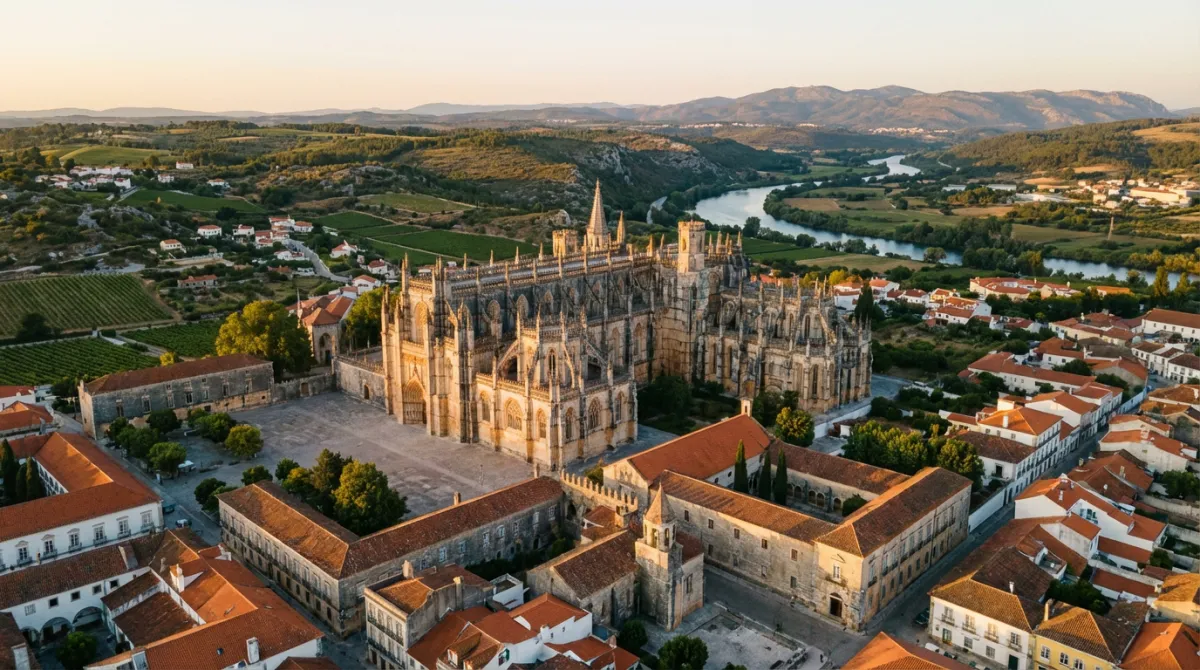
Batalha comes down to one of Europe's finest monasteries and a town that, outside peak tourist hours, still runs at the pace of a quiet Central Portugal village. Stay at least half a day, the monastery demands your time, and lunch here costs half what you'd pay in Lisbon.
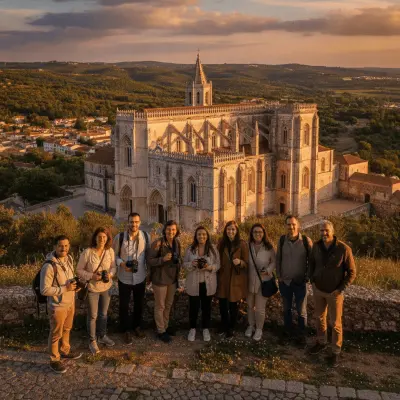
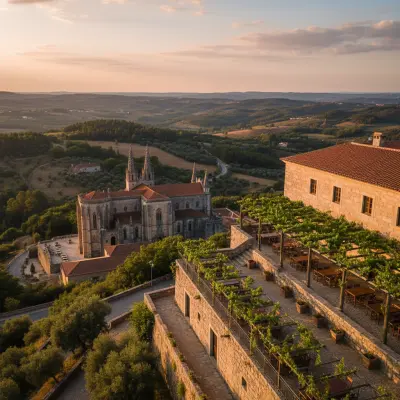
Everyone photographs the Monastery of Batalha at noon and ends up with a forgettable postcard. This guide tells you when to climb to the viewpoints, where to catch the honey-coloured light, and where to eat between shots.
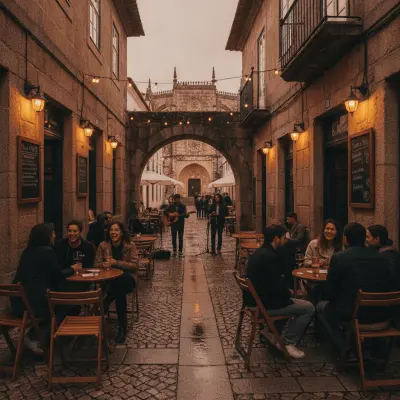
Batalha has no nightclubs and no bar street, and that frees you for the real night: an unhurried dinner, a lit-up Monastery to yourself, and viewpoints where the soundtrack is crickets. For the party, Leiria and Coimbra are next door.
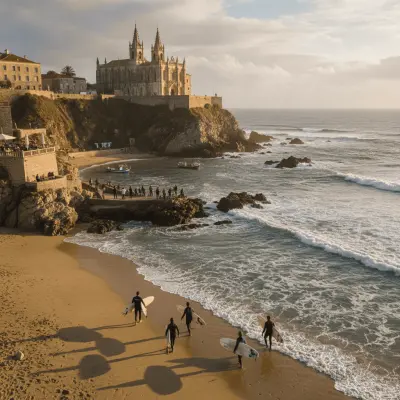
You do not surf in Batalha, and thank goodness for that. Twenty minutes from Nazaré's monster and half an hour from the gentle waves of São Pedro de Moel, the town is the perfect base camp for a week of sea: sleep in silence, pay less, and choose each morning between learning or just watching giants break on the cliff.
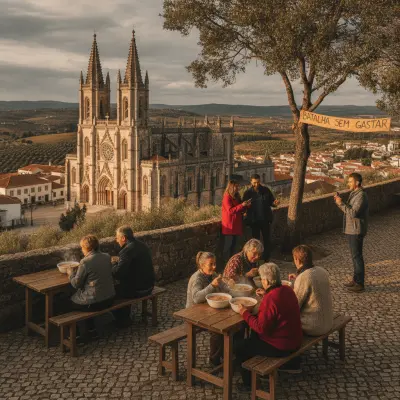
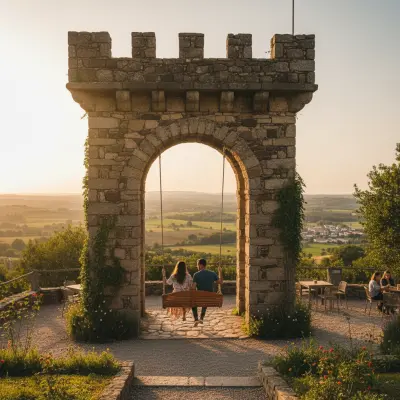
The monument with the priciest ticket is ironically the one you least need to pay for to enjoy. From the honey-coloured facade to sunset on the Baloiço swing, here is how to do Batalha for almost nothing without missing a thing.
Batalha exists because of a promise, and that promise is carved in stone. King João I vowed that if he won the Battle of Aljubarrota in 1385, he would build the grandest monastery in the kingdom. He won, and the result is the Monastery of Santa Maria da Vitória, now a UNESCO World Heritage Site, which dominates the centre of this small town with a presence you can't walk past. Even if you've seen dozens of medieval churches across Europe, standing in front of the Unfinished Chapels will stop you. There's no roof. The sky is the ceiling. The Manueline stonework on the portal is staggeringly complex for the fifteenth century.
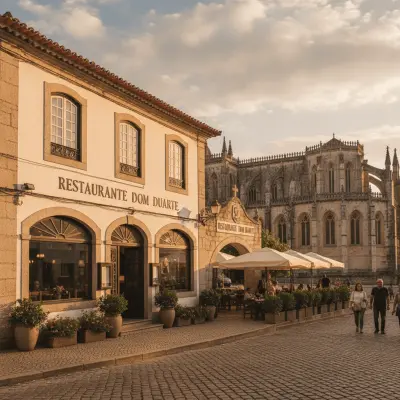
Most visitors arrive, spend ninety minutes at the monastery, and drive on to Fátima or Alcobaça. That's a mistake. Batalha deserves at least half a day, and anyone who stays for lunch will eat well without spending much. Restaurante Dom Duarte, near the centre, is a local reference. Roast suckling pig and kid goat are what this region does best, don't expect culinary innovation, but expect generous portions and honest ingredients.
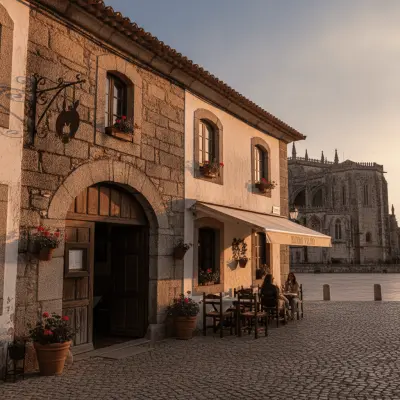
The town itself is small and entirely walkable. Praça Mouzinho de Albuquerque, facing the monastery, is the natural starting point. The surrounding streets have café terraces where a coffee and a pastry cost what they should, under two euros. In the late afternoon, once the tour buses have left, the square empties out and the evening light on the monastery's façade is worth the wait.
Avoid midday in summer, the white limestone reflects the sun and the visit becomes uncomfortable. The best time is early morning or late afternoon, between April and June or in September and October. A full day lets you visit the monastery properly, add the Interpretation Centre for the Battle of Aljubarrota (a few kilometres away, at the actual battlefield site), have lunch, and walk the town.
Batalha works well as a base for exploring the Alcobaça–Batalha–Tomar triangle, Portugal's three great monasteries of the centre. By car, any of them is under an hour away. Without a car, Rede Expressos runs buses from Lisbon with a stop in Batalha, the journey takes around two hours.