Eat
€
Pastelaria Gardy
Faro
A few steps from Faro's old town, Padaria Centeio serves handmade pastéis de nata and Algarvian almond cakes that keep locals coming back daily. A real neighbourhood bakery, no frills, no pretence, just good bread and honest prices.
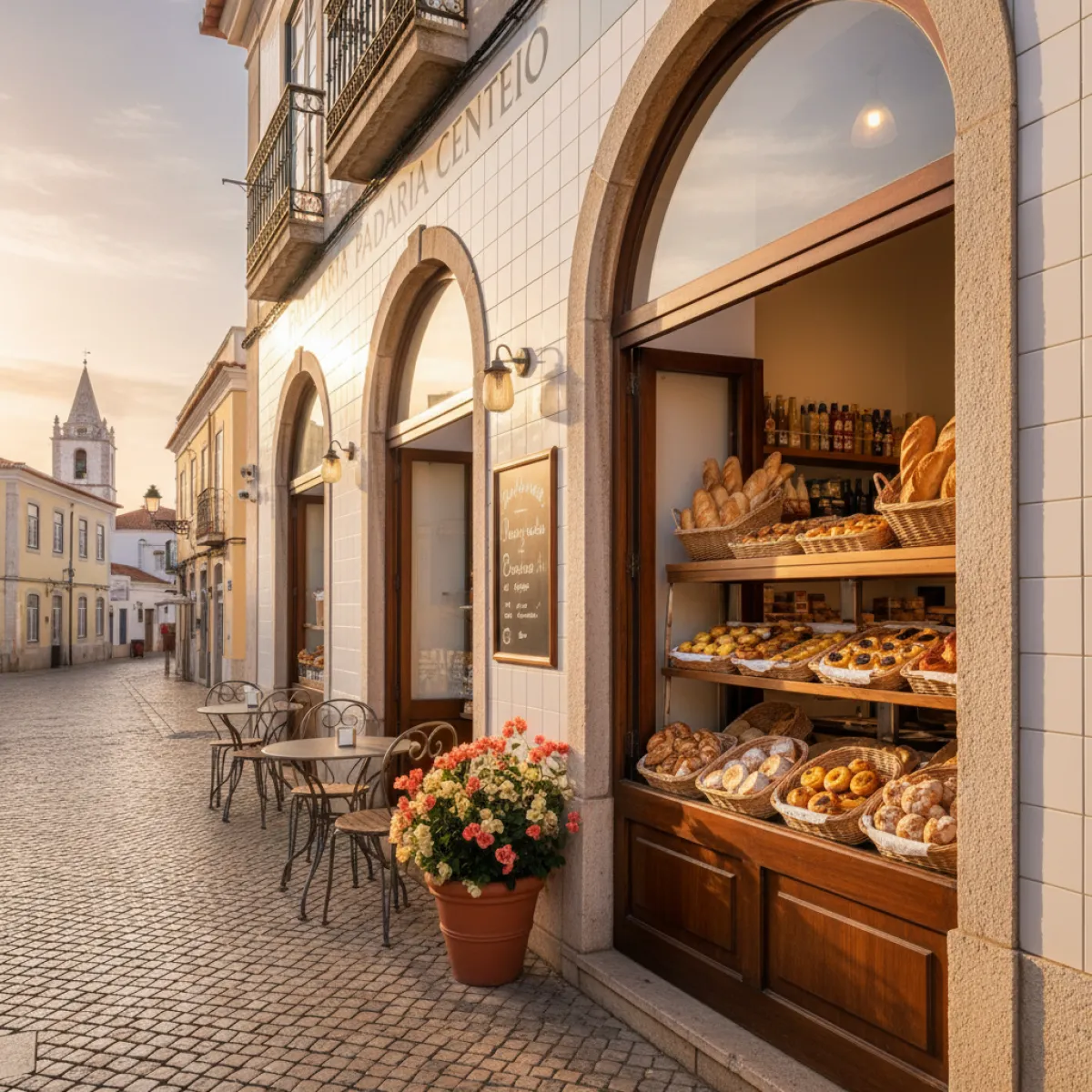
Rua Mouzinho de Albuquerque is not the street that makes it into the guidebooks. It runs just outside Faro's old town walls, lined with local shops and the kind of businesses that rely on regulars, not foot traffic. Number 25 is Pastelaria Padaria Centeio, a bakery and pastry shop that has earned a loyal following among locals, and is starting to get noticed by visitors with good instincts.
The formula is simple. Fresh bread baked daily, classic Portuguese pastries made in-house, and prices in the € range that make Lisbon bakeries look extortionate by comparison. There is no concept menu, no craft sourdough programme, no latte art. There is, however, a display case full of things worth eating, and a counter where your espresso arrives in under a minute.
Start with the pastéis de nata. The Centeio version is handmade and hits the right notes: flaky shell, custard that's creamy without being cloying, a slight char on top. They come out warm throughout the morning, and that warmth makes a real difference. Pair one with a bica (espresso) and you have the best €2-something breakfast in the Algarve.
The almond cakes, bolos de amêndoa, are the other standout. Almond trees have been part of the Algarve landscape for centuries, and the region's confectionery tradition leans heavily on them. The Centeio versions are dense, fragrant, and satisfying in a way that lighter pastries are not. If you want to dig deeper into Faro's traditional food scene, these cakes are a good primer on Algarvian flavour.
Beyond the sweet stuff, there are savoury options, the usual suspects of a Portuguese pastelaria: toasted sandwiches, croquettes, rissóis. Solid, unpretentious, priced for people who eat here every day.
The Centeio does not try to be charming. It is functional, slightly worn, and busy in the way that good local bakeries always are. The morning rush brings retirees, office workers, and parents on the school run. Weekends bring families. There is no terrace scene, no playlist, no Wi-Fi password on the wall. You come here to eat, and the eating is good.
This is the kind of place that defines a neighbourhood more than any monument does. If you are spending time exploring the less obvious corners of Faro, the Centeio tells you more about how the city actually works than any museum panel.
The address is Rua Mouzinho de Albuquerque 25, 8000-397 Faro. From the marina or the Arco da Vila (the main gateway to the old town), it is a five-minute walk north. If you are coming down Rua de Santo António, the main shopping street, cut across, you are almost there.
Parking in central Faro is the usual challenge. The marina car park is your best bet. If arriving by bus, any line to the city centre puts you within easy walking distance.
Understanding Faro's local culture starts with its daily rituals, and few are more universal than the morning stop at the bakery. The Centeio is not trying to be a destination. It is trying to make good bread and good pastries, sell them at fair prices, and open again tomorrow. That is enough. That is, in fact, exactly right.