Visit
€
Praia da Zambujeira do Mar
Odemira
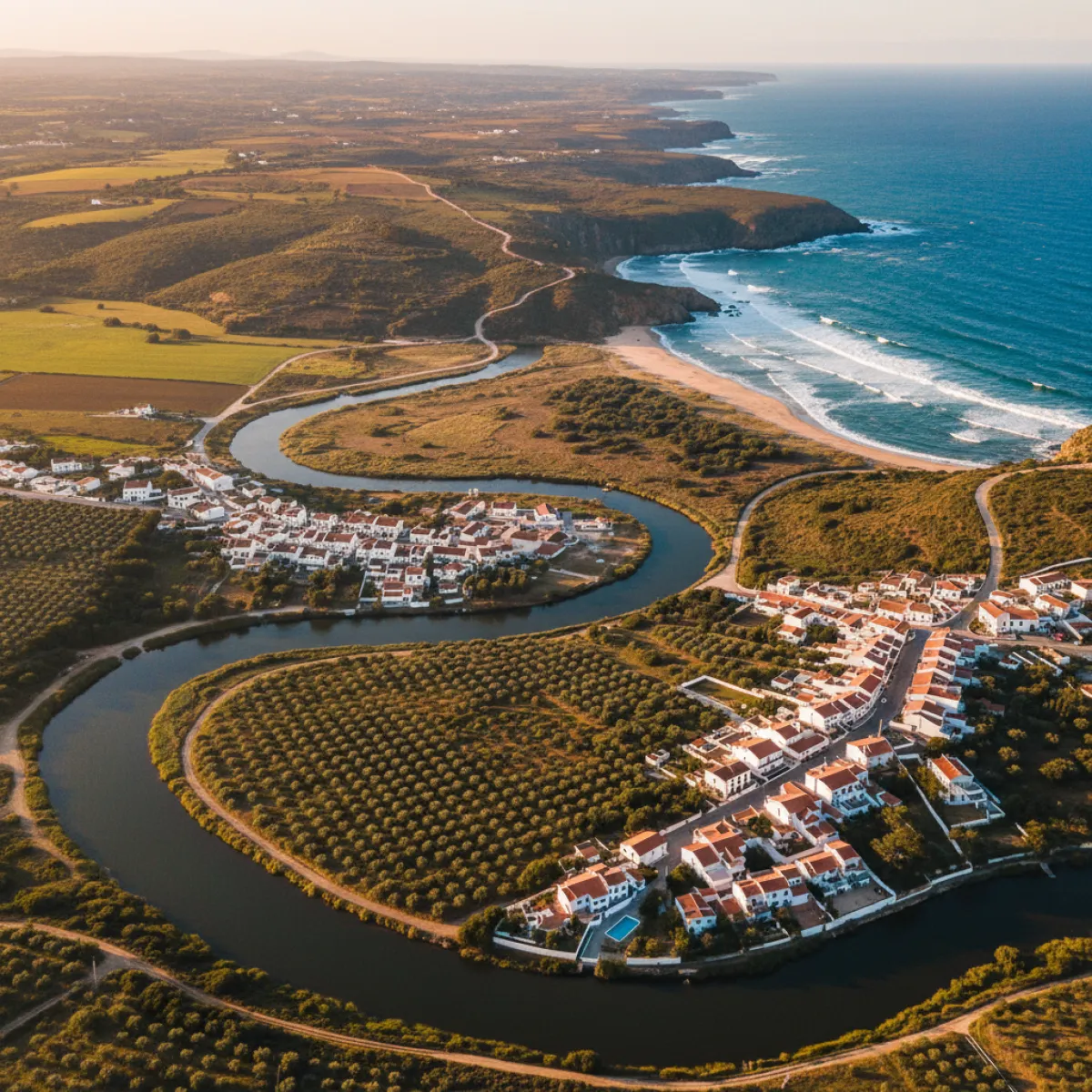
Odemira is Portugal's largest municipality and the gateway to 55 km of wild coastline in the Southwest Alentejo Natural Park. Between the quiet riverside town and the cliffs at Zambujeira do Mar, there are beaches, Rota Vicentina trails, and grilled fish worth two to three days of your time.
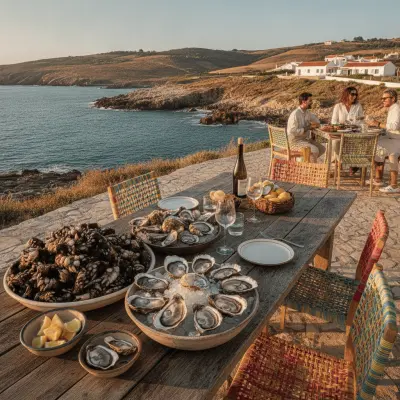
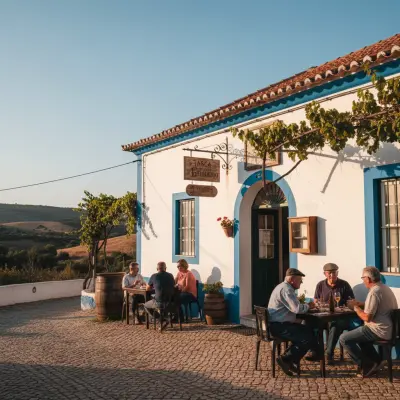
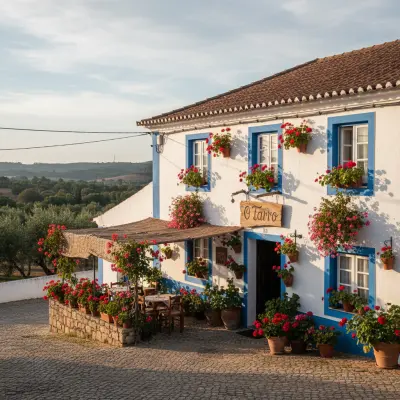
In Odemira, seafood is not a fish-tank performance: it is goose barnacles pulled by hand from the cliffs near Azenha do Mar and oysters raised in the cold Mira estuary. A guide to eating well in town and on the coast, from Tasca O Bernardo to Zambujeira do Mar.
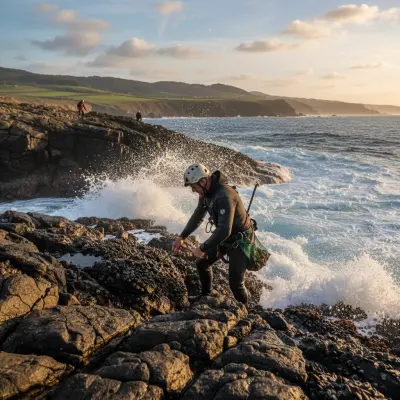
On the coast of Odemira, just 80 licensed harvesters risk the Atlantic to collect Portugal's most expensive crustacean. Boiled in salt water with bay leaf, Costa Vicentina percebes taste like pure ocean, and three restaurants make them worth every euro.
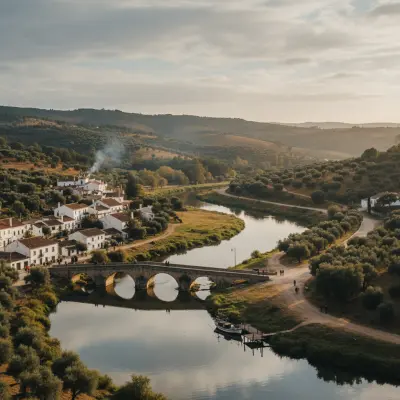
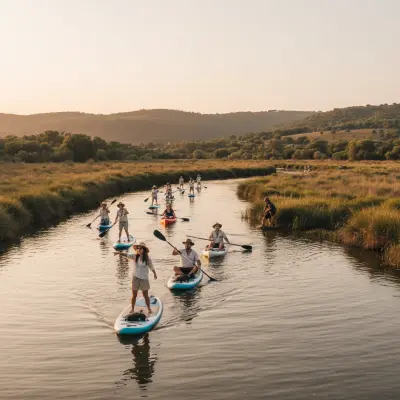
Discover the sonic soul of Odemira, where the viola campaniça and Canto Alentejano meet the serene rhythm of the Mira River. A deep dive into the culture and landscapes of the coastal Alentejo.
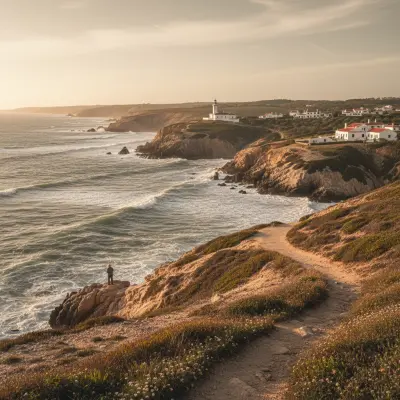
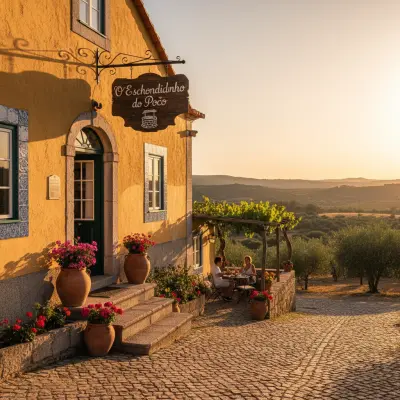
Discover the epic scale of Odemira, where the Mira River dictates the pace of life. An editorial guide to slate architecture, estuary light, and authentic coastal life in the Alentejo.
Odemira is Portugal's largest municipality by area, over 1,700 km² stretching from interior plains to 55 kilometres of Atlantic coastline. That scale is something you feel: between the quiet riverside town itself and the sea cliffs at Zambujeira do Mar, there's enough landscape to fill a full week without retracing your steps.
Odemira town doesn't draw crowds, and that's exactly what makes it work. The whitewashed streets of the castle quarter climb to a viewpoint overlooking the Mira river as it winds toward the sea. The Fonte Férrea garden, near the centre, is the kind of place where locals sit in the late afternoon with no particular agenda. The churches of Salvador and Santa Maria are worth a quick look, not for grandeur, but for the stripped-back Alentejo simplicity they represent.
For food in town, grilled fish and octopus rice dominate the menus, as you'd expect where the river and the sea are never far away. Clam cataplana is another staple that shows up at virtually every restaurant in the area.
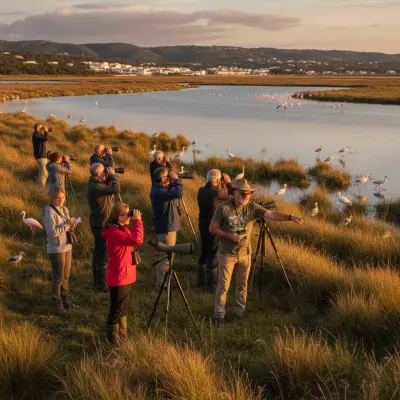
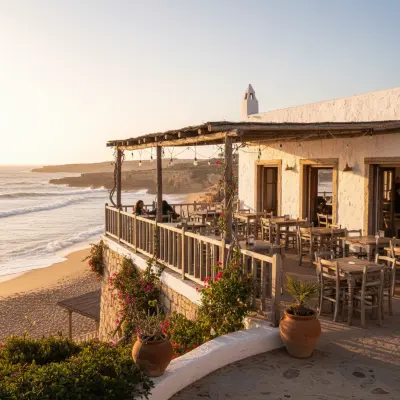
The main reason to use Odemira as a base is access to the Southwest Alentejo and Vicentine Coast Natural Park. Zambujeira do Mar, about 20 minutes by car, has dramatic cliffs and a sheltered beach that hosts the MEO Sudoeste music festival every August, if peace and quiet is the goal, skip that week. Praia das Furnas, where the Mira meets the sea, was voted best river beach in Portugal's 7 Wonders, Beaches edition, and lets you swim in fresh and salt water in the same spot. Almograve, further north, is less well known and rewards anyone willing to walk a few minutes to reach the sand.
The Rota Vicentina crosses the entire municipality, both along the cliff-hugging Fishermen's Trail and the inland Historical Way. These are multi-day routes, but individual stages work well as morning hikes. The Santa Clara dam, in the municipality's interior, is another worthwhile stop, calm water, accessible banks, and very few people outside July and August.
Odemira asks for at least two to three days: one for the town and the river, one for the coast, one for the trails. The best time is May–June or September, warm enough for the beach but without the peak-summer crowds.