Vila Viçosa: Wildflowers and White Marble on Alentejo Backroads
Vila Viçosa in spring is a sensory assault where white marble serves as a canvas for a wildflower festival. Forget the generic routes and discover the backroads connecting deep quarries to the intoxicating scent of rockrose.
The Alentejo Color Assault
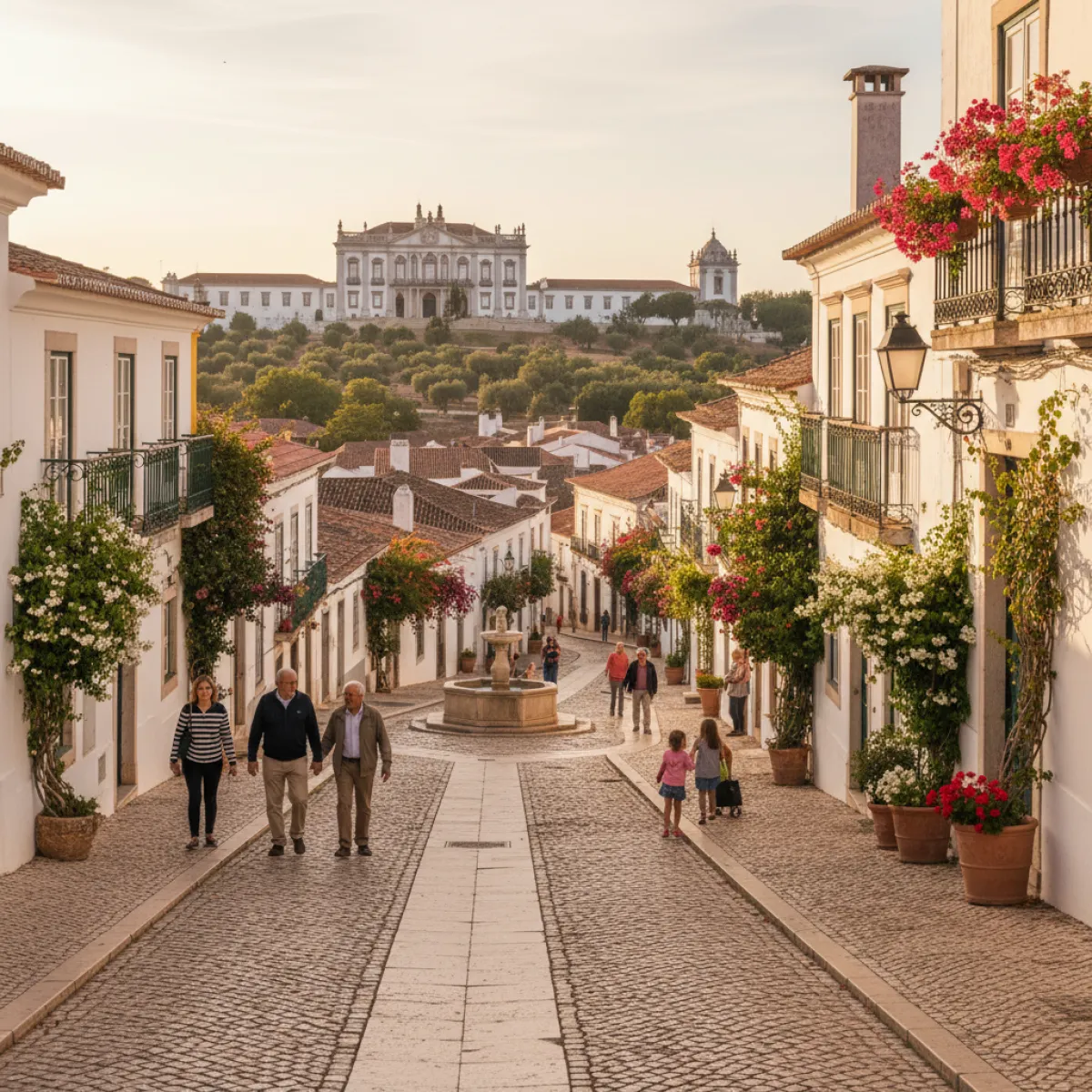
Forget the image of Alentejo as a parched, monochromatic plain. Arrive in Vila Viçosa in mid-March, and your first sensory hit isn't the famous marble, but a violent surge of color. The quarry-white landscape, which feels harsh under the summer sun, transforms into a high-contrast canvas for purples, yellows, and deep reds. This is Alentejo at its most urgent, a fleeting window of brilliance before the June heat bleaches everything back to straw and cork.
Vila Viçosa is the perfect staging ground for anyone looking to understand the region’s dual identity. On one side, you have the refined, aristocratic weight of the House of Braganza and the industrial wealth of the marble trade; on the other, the raw, unfiltered earth that erupts in rockrose, poppies, and marigolds for a few precious weeks. Don't come here looking for manicured gardens. The beauty lies in the chaos of the "montado" (cork oak forests) and the roadside verges that look like an Impressionist painter had a mental breakdown with a loaded brush.
The Geology of the Bloom: Where Marble Meets Wildflower
To understand the intensity of the colors here, you have to look at what’s beneath your tires. Vila Viçosa sits on the Estremoz Anticlinal, a geological fault where limestone was cooked into marble over millions of years. This mineral-rich soil, still damp from winter rains, creates a high-octane environment for Mediterranean flora.
Driving the N255 toward Borba, watch the shoulders of the road. The contrast is almost cinematic: massive blocks of grey-veined marble stacked outside quarries, and right next to them, a thick carpet of poppies (Papaver rhoeas) bleeding red into the green grass. It’s a landscape of heavy industry and fragile life. If you want a tip from someone who’s driven these bends: pull over at one of the informal viewpoints near the deep-cut quarries like Cava de S. Brás. The silence is only broken by the distant hum of machinery and the wind carrying the resinous, sticky scent of rockrose (Cistus ladanifer).
Route 1: The Marble Triangle (Vila Viçosa - Borba - Estremoz)
This is the essential circuit, but in spring, it takes on a different dimension. Leave Vila Viçosa via the road to Borba. It’s only a few kilometers, but it’ll take twice as long if you have any photographic instinct. The vineyards of Borba, just waking from their winter dormancy, are surrounded by wildflowers that act as natural fertilizers for the soil.
In Borba, don't just pass through. Stop to see the marble fountains, the Fonte das Bicas is the height of Alentejo baroque ostentation. But the real reward is on the backroads. Head toward Estremoz using the old local road instead of the IP2. This is where the Alentejo gets intimate. You’ll find small family farms where cattle graze among patches of wild lavender (Lavandula stoechas). The deep purple of these flowers against the charred, dark bark of recently stripped cork oaks is the visual definition of spring in the interior.
The Lunch Ritual in Vila Viçosa
Driving builds an appetite, and in Central Alentejo, lunch is a serious, slow-motion affair. In Vila Viçosa, skip the obvious tourist traps near the palace gates. Look for Restaurante A Adega or A Restauração. What to order? Ensopado de borrego (lamb stew), without a doubt. The lamb in this season, fed on the very pastures you just drove past, is tender enough to eat with a spoon. If you want something lighter, though "light" is a relative term here, the açorda de alho (garlic bread soup) with a poached egg and salt cod is the local fix for road weariness.
For dessert, Vila Viçosa claims the throne for Sericaia. Do not accept a slice unless it is served with Elvas Plums (DOP) in syrup. The contrast between the egg-rich, cinnamon-dusted cake and the tart sweetness of the plum is non-negotiable. Expect to pay around €25 to €35 for a full meal with local wine, ideally a robust red from Borba, which has the weight to match the food but enough acidity to keep you awake for the drive back.
Route 2: The Rockrose Run to Alandroal
If you want something wilder, head south from Vila Viçosa toward Alandroal. The landscape shifts dramatically. The marble gives way to schist, and the vegetation becomes denser and more aggressive. This is the heart of rockrose country. In April, the white flowers of the rockrose, each with its distinctive purple “bloodstain” at the center, cover entire hillsides. The scent is intoxicating, a thick mix of resin, damp earth, and sun-warmed leaves.
This road leads you to the Castle of Alandroal and, if you push further, to Juromenha on the Spanish border. It’s a frontier route where the population density drops and all that’s left is raw nature. This is the place to roll down the windows and kill the radio. The only soundtrack is the rhythmic clanking of sheep bells and the occasional call of a lark.
Sleeping in the Stone
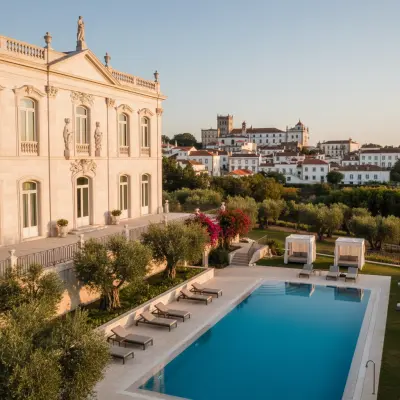
After a day of navigating backroads, Vila Viçosa offers one of the most singular hotels in the country. The Alentejo Marmòris Hotel & Spa isn't just a place to crash; it’s an extension of the geology you’ve been exploring. Built inside a former marble workshop, the hotel uses the stone with an almost obsessive level of detail. From the spa to the bathrooms, the marble is everywhere, polished, raw, or veined like frozen rivers. It’s industrial luxury executed with a precision that honors the village’s long history of stonework.
The Road to Évora: The Next Chapter
Vila Viçosa is self-contained in its beauty, but it's part of a larger story. If you have a few more days, the road west takes you to the district capital. It’s a fascinating contrast: if Vila Viçosa is the aristocratic, white-washed ducal seat, Évora is the cathedral city of narrow alleys and long shadows.
Many travelers make the mistake of treating Évora like a static outdoor museum. To avoid that, I recommend reading Stone and Silence: A Sentimental Guide to Évora before you arrive. It helps you understand that the city isn't just about the Roman Temple, but about the intersection of human layers over the stone. For those on a tight schedule, One Day in Évora: A Precision Itinerary for the Alentejo Capital provides the surgical focus needed to bypass the crowds and find the corners where the city still feels authentic.
Practical Tips for the Deliberate Traveler
- Timing: The window is small. Late March to late April is the sweet spot. Any earlier and you might get washed out by rain; any later and the green starts to fade into the golden stubble of summer.
- Getting There: From Lisbon, it’s about 1 hour and 45 minutes via the A6. But the real move is to exit at Montemor-o-Novo and take the national roads. It’s slower, but that’s where the trip actually starts.
- What to Pack: Comfortable boots for walking the road verges and stepping into the montado. Also, bring allergy meds. The Alentejo in spring is a pollen bomb that shows no mercy to sensitive lungs.
- Local Check: Always verify the opening hours for the Ducal Palace in Vila Viçosa; tours are guided and follow a strict schedule that can change seasonally.
Vila Viçosa doesn't need to be explained; it needs to be driven. It’s a town that demands you leave the main highway, get some red clay on your shoes, and look at the marble not as a commodity, but as the skeleton of an Alentejo that, for one brief month, decides to wear every color it’s been hiding all year.