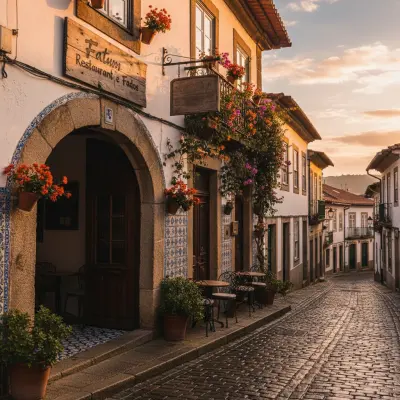
Valença do Minho: Beyond the Fortress Bargain Hunting
Everyone knows Valença for the towels and bed linen. Few climb the ramparts or cross the bridge to Tui. This guide covers the shopping worth doing, the restaurants off the tourist circuit, and what to do once you put the bags down.
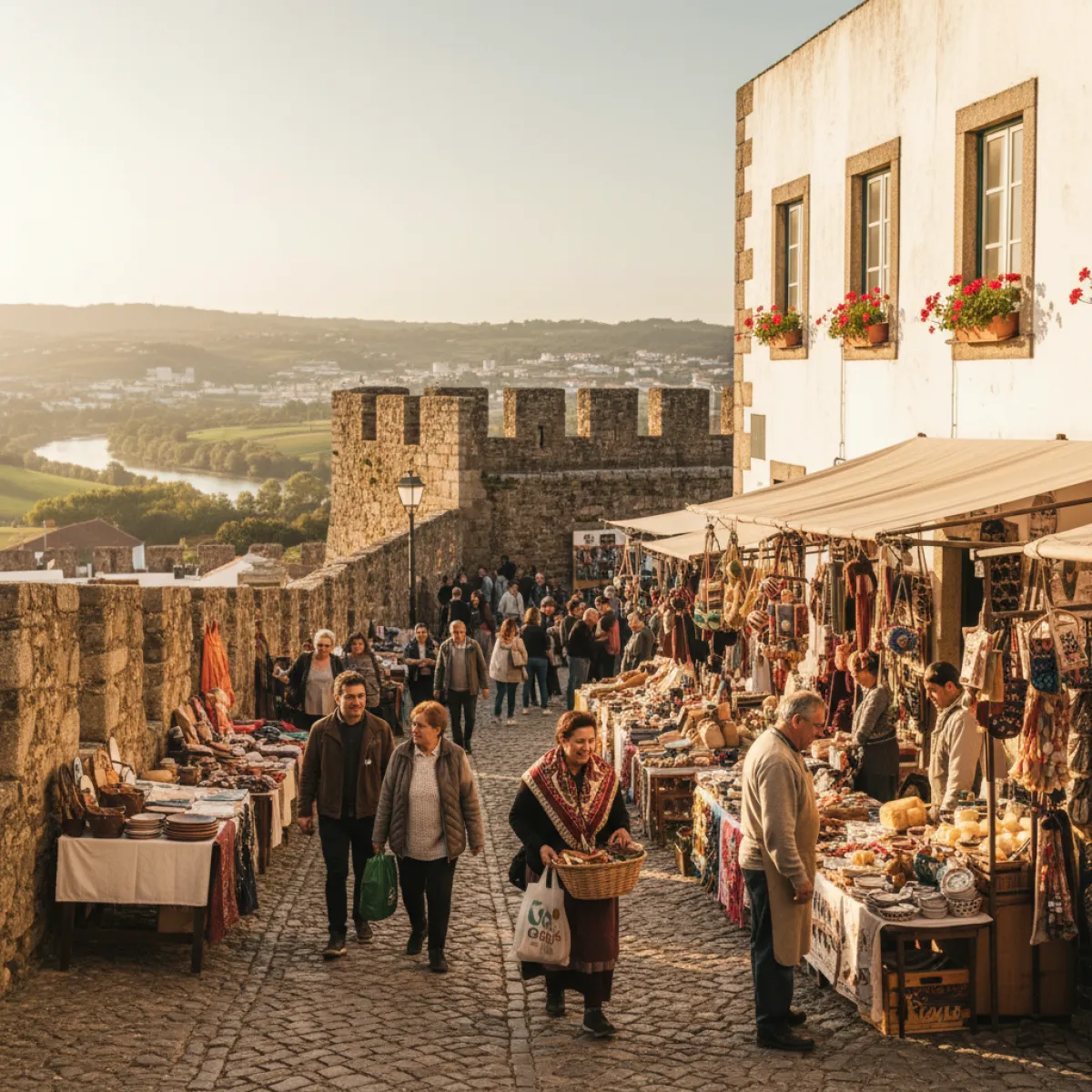
Valença do Minho has a reputation problem. Ask any Portuguese person about it and you'll get the same answer: "Oh, Valença, the towels." Or the bed linen. Or the blankets. As if one of the most impressive fortresses in northern Portugal existed solely as a backdrop for buying household textiles. And yes, the shopping is real, it's part of the place's identity, and it can be worth your time if you know what you're doing. But Valença is considerably more than that, and this guide is about everything that usually goes untold.
The Fortress: Context First
Valença's fortress is one of the largest and best-preserved bastioned fortifications on the Iberian Peninsula. Two walled enclosures connected by a bridge, with a military history stretching back to the 13th century and successive reconstructions through the 17th and 18th centuries. Seen from Tui on the Spanish side, the silhouette is remarkable. From inside, it's a maze of cobbled streets, walkable ramparts stretching for kilometres, and views over the Minho River that justify the trip on their own.
The problem is that most people enter through the main gate, dive straight into the shops, and leave without understanding where they've been. Do that and you miss half the experience.
My advice: arrive early, before ten in the morning, when shops are still opening. Start with the second enclosure (the one farthest from the main entrance), where you'll find the best viewpoints and fewer people. Walk the ramparts. Look across to Tui on the other side of the river. Breathe. Then go shopping.
If you want to properly understand the military and architectural history of the place, consider booking a guided fortress walk. There are details about defensive engineering and episodes from the wars with Spain that you'll miss entirely on your own.
Shopping: What's Worth It (and What Isn't)
Let's address what brings most people here. Inside the fortress, there are dozens of shops, most selling textiles (towels, sheets, bedspreads, blankets), handicrafts, and a mixed bag ranging from clothing to souvenirs. Spanish tour buses arrive regularly. Portuguese families come on weekends. It's an open-air market inside a medieval fortress. Surreal, but it works.
What's worth buying:
- Quality Portuguese bed linen and towels: Good prices on factory brands, especially if buying in bulk. Compare prices across three or four shops before committing. Don't buy from the first one you see.
- Minho embroidery and lacework: Genuine handmade pieces are increasingly rare. Look for the real thing, which costs more but is an entirely different product from the industrial replicas. If the shop owner can tell you where the piece comes from and who made it, that's a good sign.
- Filigree jewellery: There are a few goldsmiths inside the fortress. Minho filigree is one of Portugal's most sophisticated crafts, but also one of the most counterfeited. Ask for a certificate of authenticity.
What's not worth it:
- Generic souvenirs: Plastic roosters of Barcelos, "made in China" fridge magnets with Portugal stamped on them. Identical to every tourist shop in the country.
- Dubious brand clothing: Some shops sell clothes with labels that look like brand names but aren't. If it seems too good to be true, it probably is.
A practical note: prices in Valença are no longer as low as they were twenty years ago. The fame attracted tourism, tourism raised rents, rents raised prices. You can still find good deals, especially on factory-direct textiles, but don't expect absurd discounts. Bargain politely, especially when buying multiple items.
Beyond the Shops: What to Do in Valença
This is where most guides stop. And it's exactly where Valença gets interesting.
Walking the Ramparts
The ramparts are walkable along almost their entire length. The full circuit takes 45 minutes to an hour at a relaxed pace. From the north side, you see the Minho River and Galicia. From the south, the valley and the mountains of the Minho interior. Late afternoon, when golden light hits the stone and the shops begin closing, is the best time.
Crossing the Bridge to Tui
The international bridge over the Minho connects Valença to Tui in Galicia. You can cross on foot or by car. Tui has a 12th-century cathedral-fortress worth visiting and a compact old town with solid Galician restaurants. It's entirely feasible to have lunch on one side and dinner on the other. Within the Schengen area, you'll just need your ID card, but check locally for any current requirements.
The Caminho de Santiago
Valença is an important stop on the Portuguese Way of St. James. Even if you're not walking the full route, the stage from Valença to Tui is a short, beautiful hike that gives you a taste of the experience. You'll regularly see pilgrims inside the fortress, backpacks on, scallop shells hanging.
The Minho River
The Minho isn't just scenery. There are boat trips on the river (check schedules and availability locally, as they vary by season), and the banks make for pleasant walks. The local cuisine owes a great deal to the river: lamprey (in season, usually January to May) and shad are traditional dishes you'll find at restaurants in the area.
Where to Eat
Valença has a food scene that deserves attention. Inside the fortress, there are tourist restaurants, some decent, others skippable. Outside the fortress, in the town proper, you'll find more authentic options.
For something different, Fatum pairs good food with live fado music. It's the kind of place you don't expect in a small Minho town, which is precisely why it's worth your time. If you're in Valença for dinner, it's one of the best ways to end the day.
At local restaurants, look for bacalhau à minhota, arroz de lampreia (in season), and rojões with papas de sarrabulho. Vinho verde is mandatory: ask for a white from the Monção and Melgaço sub-region, which is just up the road and produces exceptional Alvarinho wines.
When to Go and How to Get There
Valença is about ninety minutes from Porto via the A3 motorway. There are trains from Porto (Minho line) to Valença station, which is a short walk from the fortress. The train is an excellent option: the journey along the Minho is beautiful, and it avoids the parking situation, which on weekends and holidays can be a nightmare.
Avoid Saturday, which is the busiest day. Sunday mornings are manageable. Weekdays are ideal: shops open, tourists scarce, restaurants with tables available. If you can, go between Tuesday and Thursday.
The best time of year depends on what you're after. Spring and autumn are perfect for walking. Summer is hot and crowded. Winter is cold, but the fortress in fog has a particular beauty, and shop prices tend to be more negotiable.
If You're Exploring the Minho
Valença makes an excellent starting point or stop on a broader Minho trip. If you're heading south towards the coast, Barcelos is about an hour away and worth a full day. If travelling with family, we have an honest family guide to Barcelos that tells you what works and what doesn't with children.
Barcelos museums split between those worth your time and those you can skip. And if you're the kind of person who takes coffee seriously, our Barcelos café guide is specific enough to tell you what to order at each place.
The Bottom Line
Valença do Minho is a town with an extraordinary fortress that also happens to have shops. Most visitors get that sentence backwards. If you can resist the urge to duck into the first towel shop and instead climb the ramparts, look at the river, and understand where you are, Valença reveals a different side. The shopping is part of it. But it's only one part.
Give it at least half a day. A full day if you want to cross into Tui. And if you stay for dinner, all the better.