Barcelos Museums: Which Are Worth Your Time
Barcelos has one museum worth a detour and at least one you can skip entirely. The Museu de Olaria, with thousands of folk pottery pieces and Rosa Ramalho's unsettling figurative work, is the highlight, and arguably northern Portugal's most underrated museum.
Barcelos has a reputation problem. Most people blow through here on the Camino de Santiago, snap a photo of the rooster, buy a fridge magnet, and move on. The museums? Left behind. And honestly, not all of them deserve your time. But a few, very few, are the kind of places that change how you see an entire region.
I spent two days doing the full circuit of Barcelos's museum spaces, and here's what I found: one museum is worth a detour, two are worth your time if you're already in town, and at least one you can skip without guilt.
The Museu de Olaria: The Best Museum Nobody Visits
Let's get straight to it. The Museu de Olaria (Pottery Museum), on Rua Cónego Joaquim Gaiolas, is the best museum in Barcelos and arguably one of the most underrated museums in northern Portugal. This isn't even a close call.
This is a museum dedicated to Portuguese folk pottery, not luxury ceramics, not fine porcelain, but the earthenware that came out of potters' hands across Minho, Trás-os-Montes, and beyond for centuries. The collection is vast. Thousands of pieces spread across multiple rooms, from the black clay of Bisalhães to the figurative work of Rosa Ramalho, that Barcelos ceramicist whose pieces look like they crawled out of a mildly unsettling dream.
What makes this museum special isn't just the collection, it's how it tells the story of pottery as a living craft, not a display-case curiosity. Entire rooms are dedicated to process: the kilns, the wheels, the clay preparation. If you're travelling with children, this is one of the highlights of visiting Barcelos as a family, kids are genuinely fascinated by the stranger, more expressive figures.
Admission is cheap, check locally for the exact price, but we're talking a few euros. The museum is relatively small, so ninety minutes is enough to see everything properly. Go in the morning, when it's emptier.
Practical tip
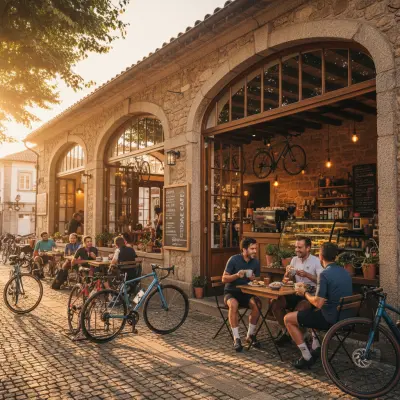
After the museum, walk over to the centre and get a proper coffee. Grava Bike Café is a solid choice if you want a well-pulled espresso in a relaxed setting, for more options on where to drink coffee in town, check our Barcelos café guide.
The Archaeological Museum: Open-Air and Free
The Museu Arqueológico is housed in what remains of the Paço dos Condes, the ruins of the medieval palace by the Cávado river. And when I say ruins, I mean it, no roof, no complete walls. The museum is, in practice, a collection of archaeological pieces displayed outdoors within the perimeter of the ruined palace.
This is where you'll find the famous Cruzeiro do Senhor do Galo, the stone cross that tells the legend of the Barcelos rooster, that story about the pilgrim sentenced to death who was saved when a roasted rooster stood up on the plate and crowed to prove his innocence. The piece dates to the 14th century, and regardless of what you think about medieval legends, it's a striking object.
The rest of the collection is more modest: sarcophagi, coats of arms, carved stone fragments. This isn't the kind of museum that demands an hour, twenty to thirty minutes will do. But the combination of the ruins with the view over the river and the medieval bridge makes the visit worthwhile, especially in the late afternoon when the light is good and the tour groups have moved on.
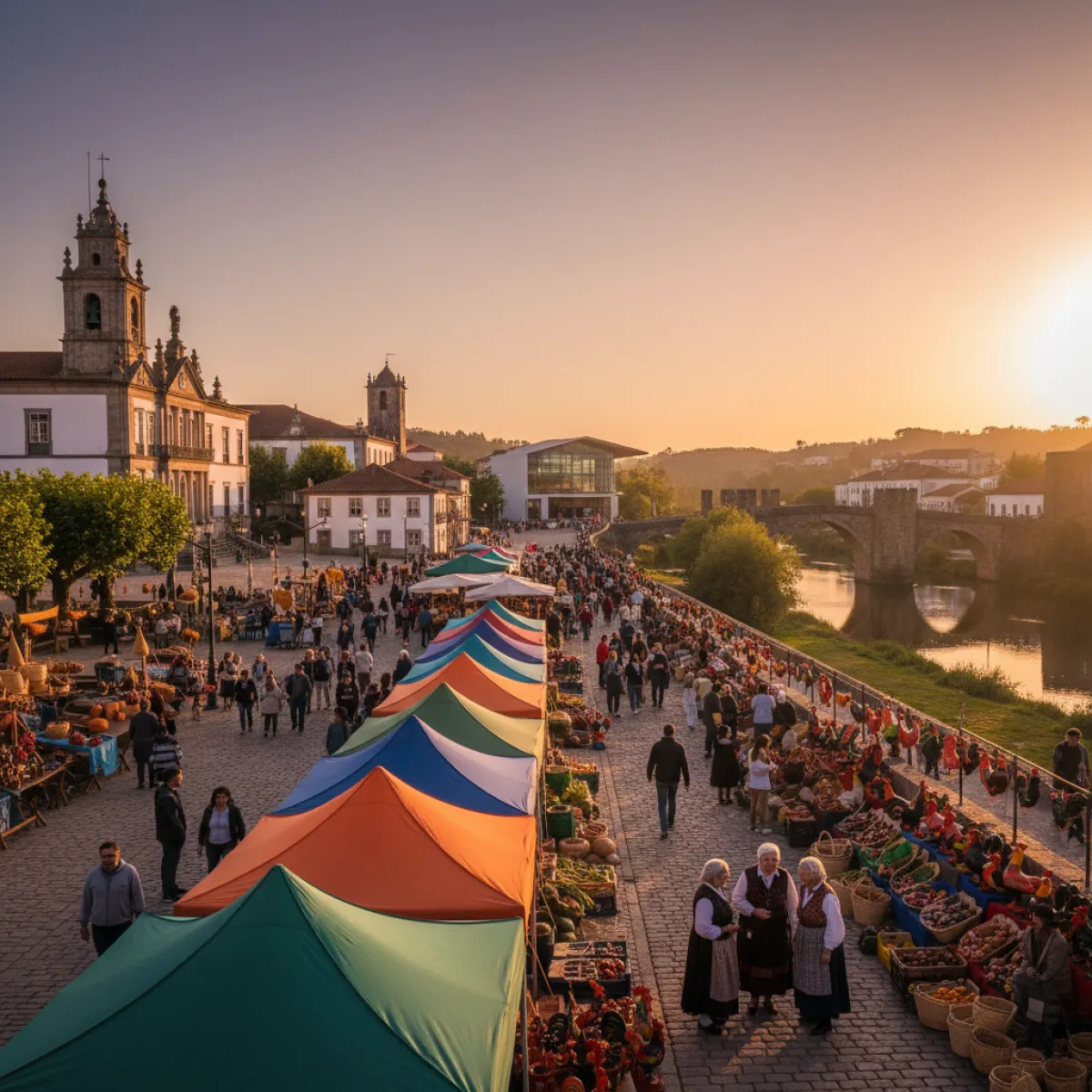
Admission is free, which removes any reason not to go. It's right next to the Campo da Feira, the enormous fairground where the famous weekly market happens every Thursday.
The Handicraft Centre: Useful, But Not a Museum
The Centro de Artesanato de Barcelos shows up in some itineraries as though it were a museum. It isn't. It's a shop, well-organized, with quality pieces and local artisans represented, but it's a shop. Come here if you want to buy pottery, lovers' handkerchiefs, or Minho embroidery. Don't come expecting interpretive panels or historical context.
That said, if you're buying Barcelos ceramics, this is the right place. Prices are fair and the pieces are authentic, unlike some of the stalls near the bridge selling industrial copies labelled as "handicraft."
The Medieval Tower: You Can Skip This One
The Torre Medieval, or Torre de Menagem, is handsome from the outside. A solid granite cube, properly medieval. But the interior is, at best, underwhelming. The exhibition is minimal, the space is small, and the climb up the narrow stairs, while offering a decent view of the town, doesn't justify the detour if time is limited.
If you have a full free morning and you've seen everything else, go. If you have to choose between this and the Museu de Olaria, don't hesitate. The Pottery Museum wins by knockout.
What to Do Between Museums
Barcelos isn't a museum city in the classical sense. It's not Guimarães, it doesn't have the institutional weight of Braga. But it has something those cities don't always offer: a pace that invites you to stay. The historic centre is compact, you can walk it in half an hour, and the best way to enjoy it is to alternate cultural visits with strategic stops.
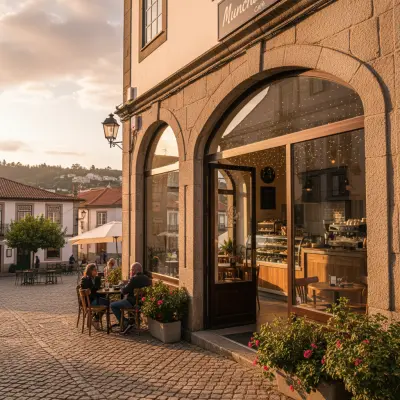
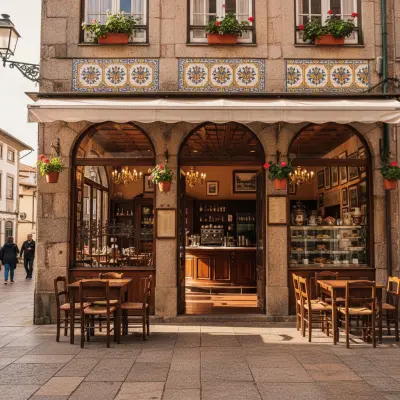
For lunch, Munchies Café works well, especially if you don't want a heavy, formal sit-down. If you prefer something more contemplative, sitting, watching time pass, absorbing the city's rhythm, Historial Caffé deserves a visit, if only for the space itself.
A note about the fair: if you can time your visit for a Thursday, the Campo da Feira transforms into one of the largest open-air markets in the country. Fruit, vegetables, clay roosters, farming tools, underwear, all in the same square. It's chaotic, it's loud, and it's genuine. Tourists come for the ceramics; locals come for the cabbages.
Suggested Route: Half a Day in Barcelos
- 9:30am: Start at the Museu de Olaria. Arrive early, take your time.
- 11:00am: Coffee in the centre, one of the town's several cafés with character.
- 11:30am: Walk down to the Paço dos Condes and the Archaeological Museum. See the Rooster Cross, take in the view over the Cávado.
- 12:15pm: Stroll across the medieval bridge and through the historic centre.
- 1:00pm: Lunch.
This route covers the essentials without rushing. If you have the afternoon free, you can explore the churches in the centre, the Igreja do Senhor da Cruz, with its baroque dome, is worth a peek, or simply sit on a bench by the river.
Is Barcelos Worth a Trip Just for the Museums?
Honestly? For the museums alone, probably not. Barcelos isn't a museum town. But the Museu de Olaria, combined with a walk through the historic centre and a good meal, easily justifies half a day or a full one. And if you're coming from Braga or Viana do Castelo, it's a short drive, under 40 minutes.
If you like combining culture with walking, it's worth knowing that Minho has plenty to offer on that front. If the idea of exploring trails in early spring appeals, hiking the Rota Vicentina in March is a completely different but equally worthwhile experience. And if after Barcelos you want to continue through Minho, Ponte de Lima is half an hour away and has an entirely different personality.
The Barcelos rooster is everywhere, on magnets, towels, plates. But the real story of this town's ceramics isn't in the souvenir shops. It's in the Museu de Olaria, in a quiet room where Rosa Ramalho's figures stare back at you with those wide, unsettling eyes that don't belong to any era. Go there. It's the best museum you've probably never heard of.