Tomar at the Table: Where Locals Actually Eat
Forget the laminated menus on Rua Serpa Pinto. Locals eat lunch at 12:30 sharp behind plastic strip curtains on the right bank of the Nabão, ten euros for soup, main, and house wine. Here's the honest guide.
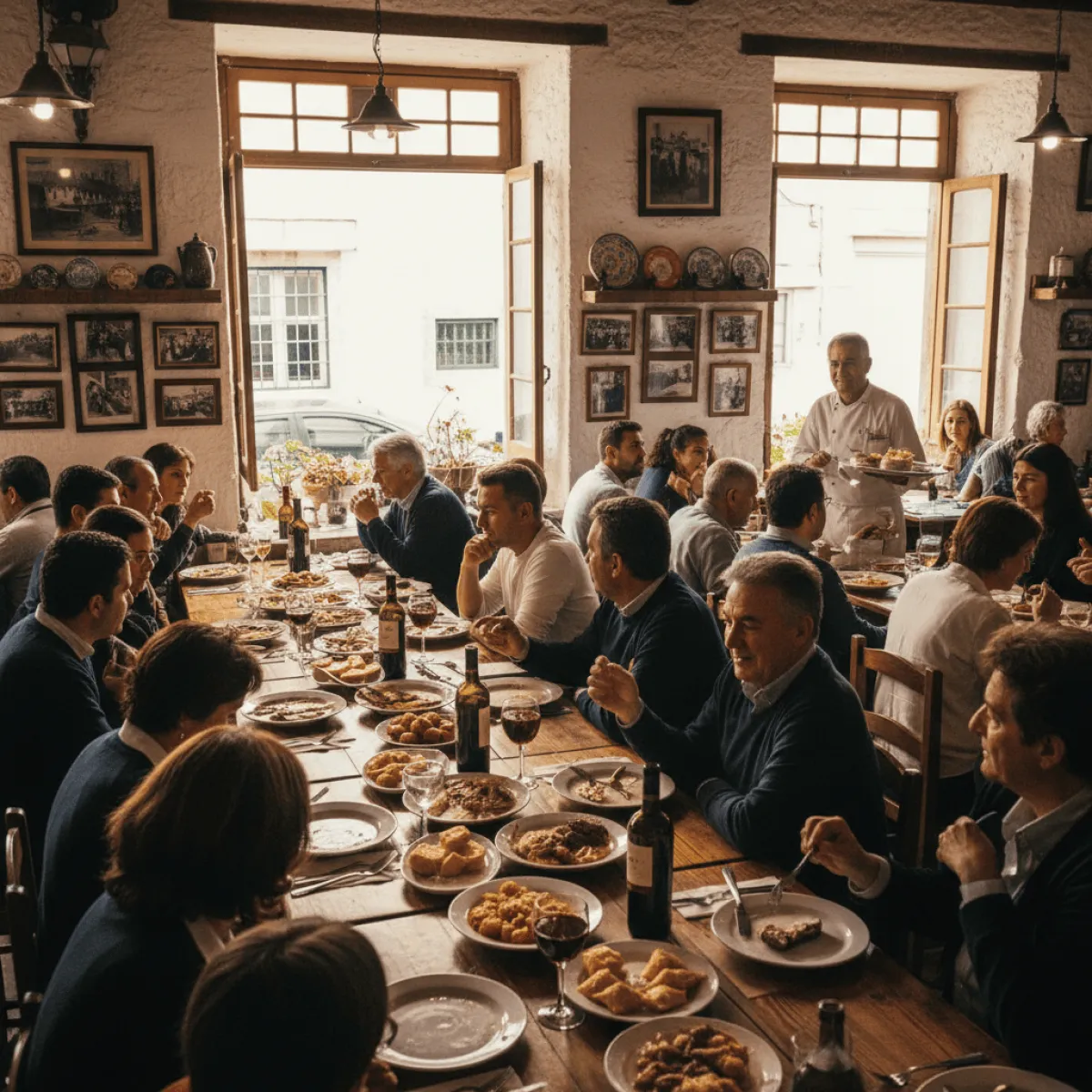
There's an uncomfortable truth about Tomar that no tourist brochure prints: most restaurants on Rua Serpa Pinto, that pedestrian artery lined with laminated four-language menus, exist to feed coach tours stopping for two hours on the way to Fátima. It's not bad food. It's just predictable. Lukewarm bacalhau à Brás, bitoque with frozen chips, house wine served too warm. If you're in Tomar and you want to eat the way Tomar eats, you're going to have to walk another five minutes. Sometimes three.
This is the city of the Templars, yes, but it's also a small Médio Tejo town where lunch is still the social event of the day. Where municipal workers, secondary school teachers, and retirees with a newspaper folded under one arm all sit down at the same tasco at 12:30 sharp and order the prato do dia without looking at the menu. That's the Tomar we're after.
The lunch ritual: between Praça da República and the Nabão
Understand one thing first: in Tomar you eat lunch early. Show up at a traditional dining room after 1:30pm and you'll find two things, tables full of confused tourists and waiters in a bad mood because the kitchen is already winding down for its afternoon break. Locals sit between 12:15 and 1pm. Do as they do.
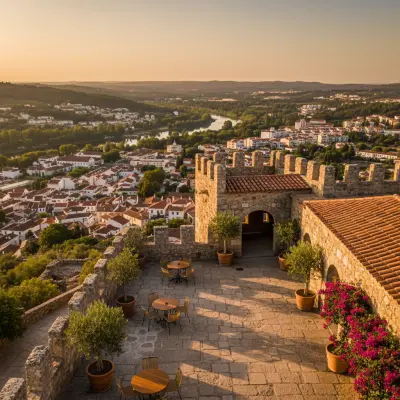
The real gastronomic axis of the city is not the monumental zone near the Castle of Tomar viewpoint, although the viewpoint deserves a late afternoon climb when the Convento de Cristo turns that honey colour that justifies every cliché. The real food triangle is formed by Praça da República, Rua Infantaria Quinze, and the right bank of the Nabão river, where the narrow streets nobody photographs are hiding.
Dishes that matter, ignore the rest
Tomar has a gastronomic identity problem. Too far south to claim the Beira tradition, too far north for the Alentejo, too inland for the Lisbon riverside school. What's left is an interior Ribatejo cuisine that shares vocabulary with Santarém and the Templars' Zone: ensopados, lamprey rice in January and February, fisherman's açorda, and the omnipresent shad when shad is in season (and in May, usually, it is).
Order in this rough order of likelihood of finding it done well:
- Bean and cabbage soup. Thick, with cubed chouriço, served in a deep earthenware bowl. In any serious tasco it costs between 2.50 and 4 euros. If it arrives thin and yellow, get up and leave.
- Lamb ensopado. The real version comes with slices of bread that have absorbed hours of mint-laced broth. It's a fixed-day dish, usually Tuesday or Wednesday.
- Fried shad with roe açorda. May and early June only. Heavy, bony, magnificent. Not a dish for the hurried nor for first dates.
- Roast kid goat. Fridays and weekends. Ask for a half portion if you're eating alone. The Tomar serving size is generous to the point of intimidation.
What to avoid almost always, even in good houses: grilled squid (we're 100 km from the sea, do the maths), elaborate salads (not the tradition, badly executed), and anything described as "medieval" or "Templar" on the menu. That's tourist theatre.
Fatias de Tomar, the only dessert that matters
Let's settle this quickly. Fatias de Tomar are a convent dessert made exclusively from egg yolks, cooked bain-marie in a copper pot designed specifically for the purpose, then cut into slices and drenched in sugar syrup with cinnamon. No flour. No egg white. No yeast. It's egg, sugar, patience.
Where to eat them: Pastelaria Estrelas de Tomar, in the Várzea Pequena area, has been the local reference for decades. It's not the only one that makes them, but it's the one Tomar residents recommend when tourists ask for a genuine tip. A slice costs around 1.50 to 2 euros. Wash it down with a regular coffee (full, never short, this isn't Lisbon) and ignore versions with raspberry coulis or other modernist inventions. The original recipe is austere on purpose.
If you want a more homely version, with more syrup and less composure, look for the smaller pastry shops along Rua Marquês de Pombal. A few elderly women still make them in small batches for the counter.
The real tascos: where Tomar eats lunch on a Tuesday
This is the hard part to write, because good Tomar tascos are exactly that, tascos. No website. No Instagram. Some still don't take cards. They change the menu depending on what the butcher's wife managed to get in that morning. They close in August without warning because the owner went back to his village. They're relationship places, not transaction places.
What I can honestly tell you: walk through the Várzea Grande area and Rua de São João, on the right bank of the Nabão, and look for doorways with plastic strip curtains, handwritten A4 menus, and more company vans parked outside than tourist cars. If you spot a long table at the back of the room where six men are sharing an unlabelled bottle of red, you've found it. Sit down. Order the prato do dia. Don't ask the price, it'll be between 8 and 12 euros with soup, main, dessert, coffee, and house wine.
A practical rule: if the waiter brings bread, butter, and olives without asking and doesn't charge them as a couvert, you're in an honest tasco. If he brings a card explaining the couvert in three languages, leave.
The municipal market, before it closes
The Mercado Municipal de Tomar opens in the morning, every day except Sunday, and closes around 1pm. Worth a visit even if you're not cooking. Buy a fresh queijo de Tomar directly from the producer (small, white cheeses, flavour close to Azeitão but more discreet), a bowl of black olives cured in salt and oregano, and a kilo loaf of Alentejo bread. Eat it up at the castle viewpoint at midday, with the city at your feet. It'll cost you eight euros, it's a better meal than any restaurant on the main street, and nobody's going to rush you.
Friday mornings there's also a regional market with producers from the surrounding villages, and that's where the best charcuterie shows up, paios from Sertã, chouriço from Mação, and the famous fresh goat's cheese eaten with rosemary honey.
Where to sleep so you can eat well the next day
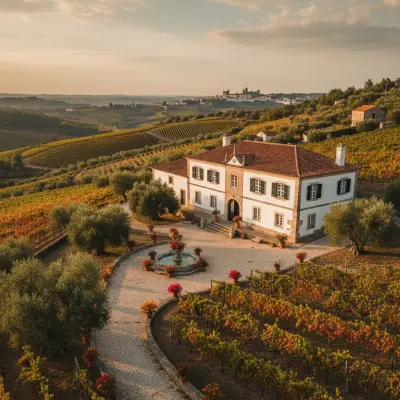
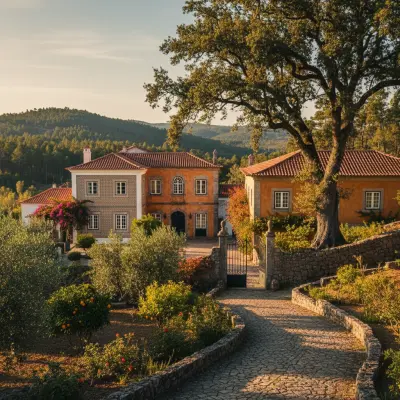
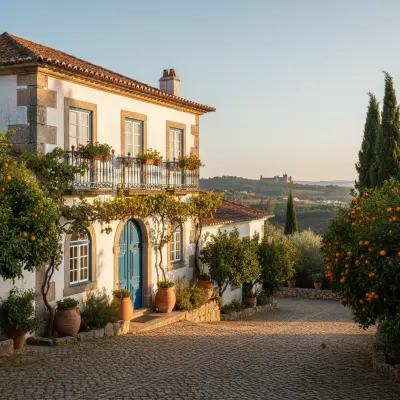
This section sounds strange but it makes sense in Tomar: the best gastronomic experiences here involve staying in the countryside, eating in the countryside, and coming into the city only for the viewpoint. Three options that genuinely change the experience:
The Quinta do Troviscal sits a few kilometres outside the city, overlooking the Castelo do Bode reservoir. Breakfast includes homemade preserves, regional cheeses, and fruit from the estate. Have dinner in town, fall asleep to the sound of water, and wake up to coffee on the terrace above the lake. It isn't cheap, but it earns one night.
The Quinta São José dos Montes is more informal, more agricultural, and breakfast includes house-cured presunto and eggs from chickens you can hear clucking twenty metres away. If you've driven in and want to understand the landscape that produces the food you're eating, stay a night here.
The Quinta da Ti Júlia plays a different note: rural, unpretentious, with the practical advantage of a home-cooked breakfast and an owner who'll tell you exactly where to have lunch in town the next day. Worth it for the conversation as much as the bed.
Breakfast: the other meal tourists get wrong
Breakfast in Tomar happens in the cafés on Praça da República between 7:30 and 9am. Bica (espresso), buttered toast (not with jam, that's a tourist gimmick), and maybe a pastel de feijão if the baker has made them fresh that morning. The ritual takes ten minutes, costs three euros, and it's one of the better ways to start any day in Portugal.
Sit outside, ask the waiter for the house newspaper (usually Correio da Manhã or Cidade de Tomar), and watch the square wake up. Around 9:15 the town hall staff start arriving for their second bica. That's your cue to leave. Locals don't appreciate people holding tables past their hour.
When to come, how to get here, what it costs
Tomar is best between April and June, and then again from September to mid-October. July and August fill with coach tours and the city becomes almost impassable during the Festa dos Tabuleiros (every four years, check locally for the next edition). By train from Lisbon, Santa Apolónia, departures run roughly hourly and the trip takes just under two hours. A ticket runs 11 to 13 euros. By car, A1 to Torres Novas then the IC9, about an hour and a half from the 25 de Abril bridge.
For a full day of eating, budget 35 to 50 euros per person, including breakfast, prato do dia lunch, Fatias de Tomar with afternoon coffee, and a light dinner. To do it properly, stay two nights, sleep outside the city, and use the second day to combine Tomar with something more active, like a paragliding flight over the heart of Ribatejo, which gives you a radically different angle on the landscape you're eating. Or pick up a bike a bit further north and try cycling the Ecopista do Dão from Viseu to Santa Comba, if you'd rather burn off yesterday's calories.
If you're staying in the region longer
Tomar works well as a base for less obvious central Portugal exploration. For walkers who like long lunches, our honest guide to April walks around Caldas da Rainha covers a town 90 minutes by car. If you're here in May and curious about Portuguese student culture, Coimbra's Queima das Fitas is 90 minutes north and reframes how you see the country. And if you're passing through on May 13th, you'll want to understand what's happening half an hour away, with our honest pilgrimage guide to Fátima on May 13th, which coexists, oddly balanced, with the daily food rhythm of Tomar.
The final uncomfortable truth
Tomar is not a gastronomic city in the way Évora or Bragança are. There's no flagship dish that everyone travels here to try. The Fatias are convent pastry, not lunch. What Tomar has is a functional, decent, interior-Ribatejo cuisine, served in small houses at fair prices, by people who aren't trying to impress anyone.
That, oddly, is what makes it valuable. In 2026 you can still have lunch in Tomar for ten euros in a place where the waiter addresses you as "o senhor" and the soup was made that same morning. In how many European cities with a UNESCO World Heritage castle is that still true? Make use of it while it lasts.