The Quiet Revolution: Sustainable Slow Travel and the Geometric Soul of Olhão
Explore Olhão through a lens of sustainability and slow travel. Discover how the 'Cubist City' preserves its maritime heritage and the Ria Formosa's biodiversity in a guide that avoids typical Algarve clichés.
The Geometry of a Working Port
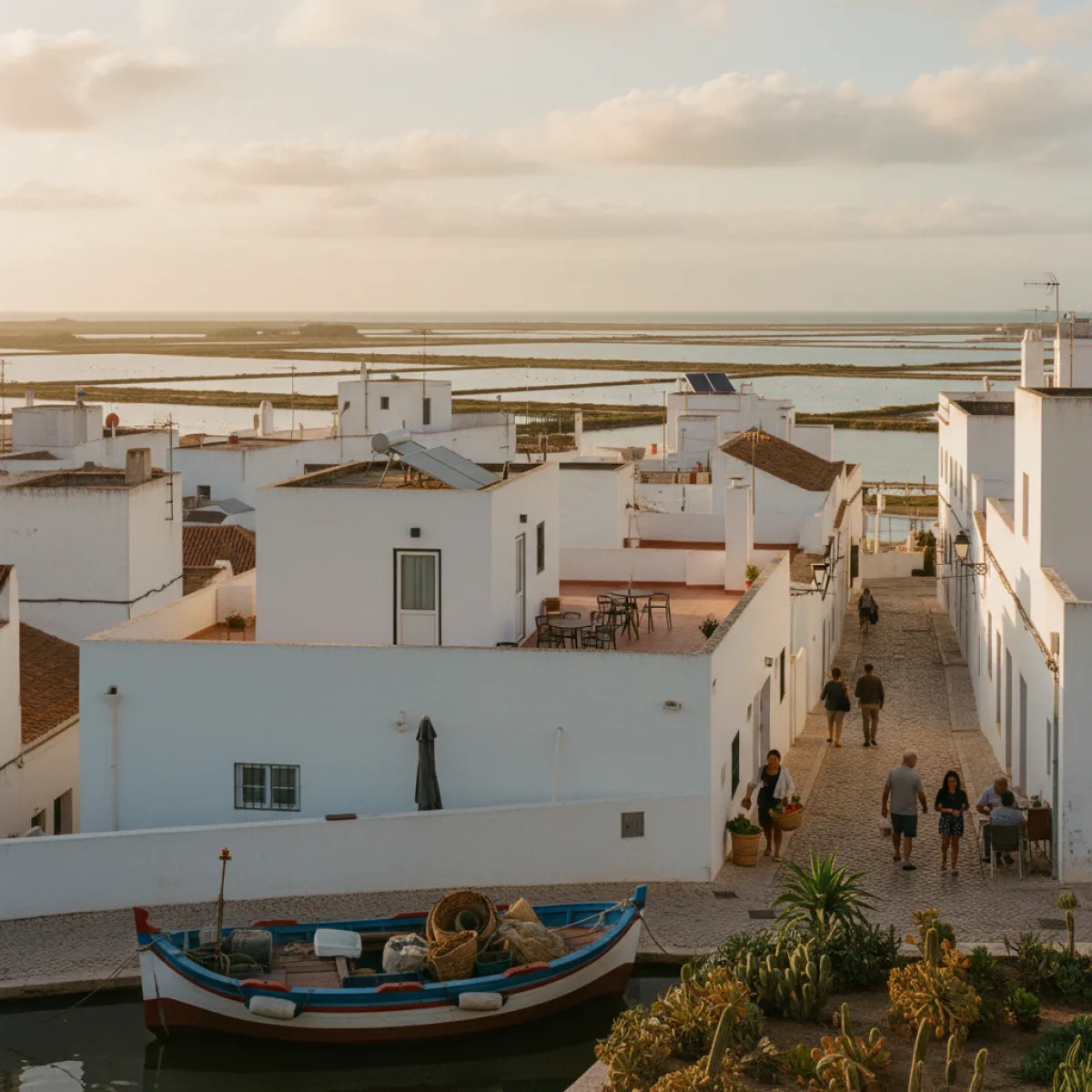
Olhão does not reveal itself to the traveler through easy aesthetic concessions. While other Algarvian towns have surrendered to the generic urbanism of recent decades, this fishing port, the largest in the region, has maintained a stance of almost architectural resistance. Approaching the historic center, what we see is a cluster of white volumes and terraces (the 'açoteias') that grant it the epithet of the 'Cubist City'. But the true sustainability of Olhão lies not just in the preservation of these Moorish forms; it lies in maintaining a human and natural ecosystem that refuses to be merely decorative.
To travel eco-consciously here means, first and foremost, respecting the rhythm of the tide and the grit of maritime labor. Olhão is the gateway to the Ria Formosa, a labyrinth of mudflats, salt pans, and sandbanks that serves as the biological lung for southern Portugal. For those seeking to understand the depth of this connection, exploring the Local Culture in Faro: Traditions and Experiences of the Authentic Algarve provides valuable context on how neighboring cities share this lagoon DNA, though Olhão retains an industrial rawness that sets it apart from the administrative capital.
The Market as an Ethical Compass
The heart of Olhão beats inside two red-brick buildings that dominate the waterfront. The Municipal Market is not a space for foodies searching for Instagrammable displays; it is where sustainability is practiced out of necessity. Here, the concept of 'zero-kilometer' has been the secular norm. By purchasing fish directly from those who caught it the night before, the traveler supports a small-scale economy that preserves the Ria's stocks.
Seasonality dictates the menu. In summer, sardines; in winter, octopus and wedge clams. For the budget-conscious traveler, a market breakfast will cost around 5 to 8 euros, allowing one to observe the frenzy of the fishermen. It is this pragmatism that defines the local experience. Unlike what is found in the Lagos Neighborhood Guide: Discover Every Corner of This Algarve Gem, where tourism has reshaped the commercial offering, in Olhão, trade still shapes tourism.
Conscious Navigation in the Ria Formosa
The Ria Formosa is a Natural Park of extreme sensitivity. The temptation to rent a speedboat to reach the islands of Armona or Culatra should be replaced by more thoughtful options. There are regular ferry boats, authentic water buses, that transport locals and goods, minimizing the carbon footprint. More recently, solar-powered boat operators have emerged in the harbor, allowing for the sighting of flamingos and seahorses without the noise pollution of combustion engines.
Spending a day on the island of Culatra is a lesson in resilience. Car-free, with wooden walkways over the dunes to protect native flora, the island operates on a community sustainability model. The inhabitants are mostly fishermen and shellfish gatherers who understand that their livelihood depends on the health of the waters. This commitment to the land is something we also explore in the Local Culture in Albufeira: Traditions, Festivals and the Algarvian Soul, albeit in very different urban contexts.
Where Culture and Rest Intersect
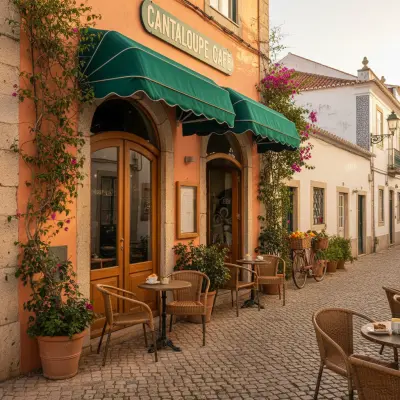
In the late afternoon, the light of Olhão transforms the white facades into shades of ochre and rose. It is the ideal time for Cantaloupe Cafe. Strategically located next to the markets, this space is a cultural bastion where jazz serves as the soundtrack for observing port life. It is a meeting point between the artistic expat community and long-term residents, proving that sustainable tourism is also achieved through social integration and supporting independent spaces.
Logistics and Planning
- When to go: Avoid July and August. May, June, and September offer mild temperatures and ideal light for photography, with less pressure on the city's water resources.
- How to get there: The regional train is the most ecological option. Olhão station is a 10-minute walk from the waterfront.
- Budget: A fresh fish meal for two at a local restaurant like Vai e Volta will cost around 30-40 euros.
- Golden Rule: Never buy dried shells or starfish; their extraction severely harms the Ria Formosa ecosystem.
Olhão demands patience. It is not a destination for fast consumption, but rather an experience of immersion in a maritime culture striving to survive modernity without losing its dignity. By choosing to walk its narrow streets, eat what the sea offers that day, and respect the silence of the Ria, the traveler becomes part of the solution rather than the problem.