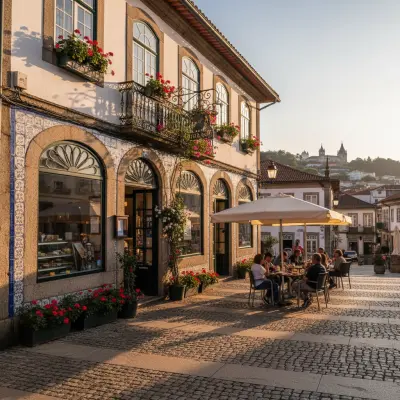
The Ethics of Permanence: A Sustainable Journey Through Viana do Castelo
Viana do Castelo is a sanctuary of integrity and tradition in Northern Portugal. This guide explores how to experience the city ethically, from local gastronomy to the preservation of its natural ecosystems.
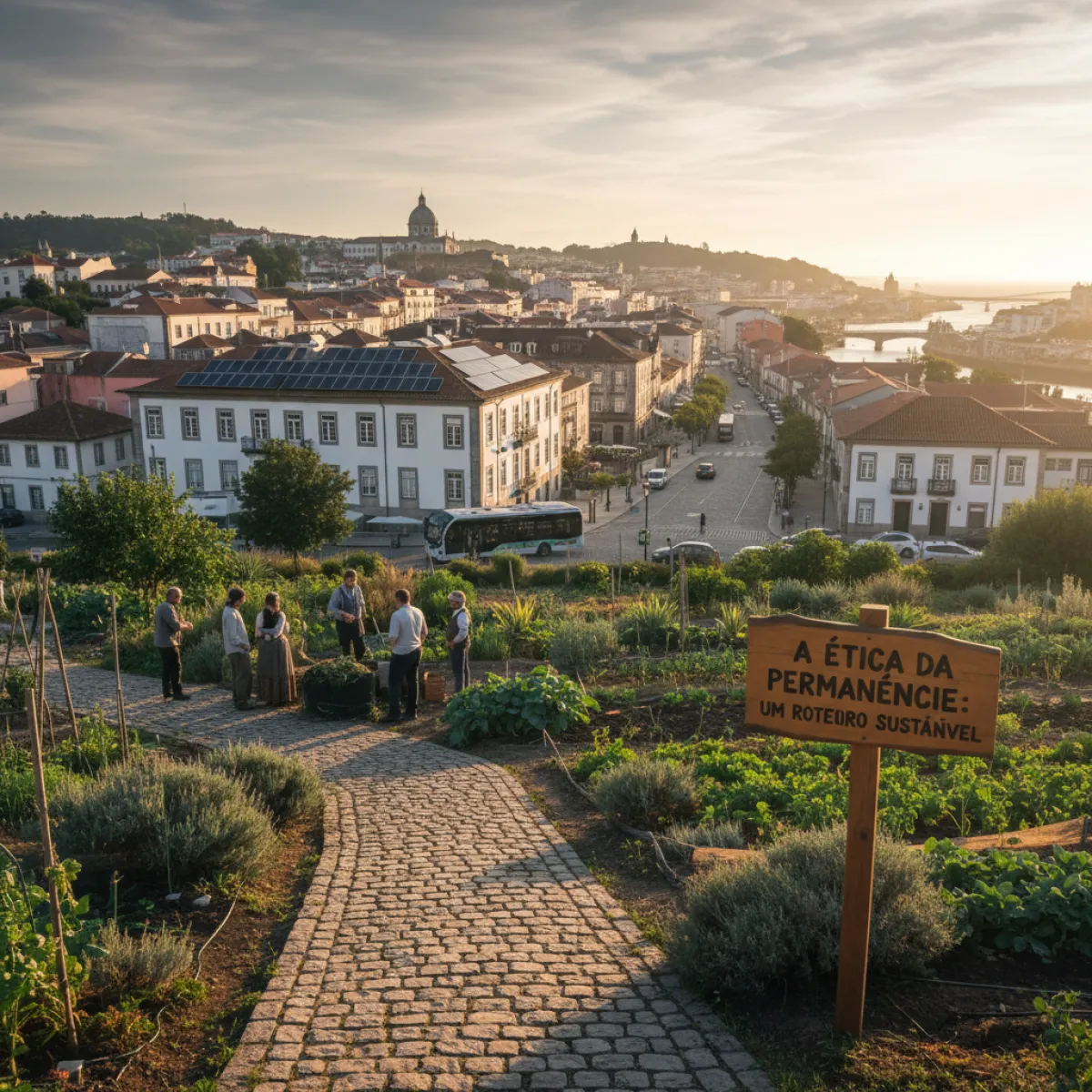
The Granite Silence and the Atlantic Force
Viana do Castelo is not a city to be consumed in haste. Unlike other European coastal destinations that have succumbed to the temptation of mass tourism, Viana has maintained an almost austere integrity. It is a place where the granite of the squares and the deep blue of the sea do not just serve as backdrops for photographs, but as the pillars of a way of life that values permanence over the ephemeral. Traveling sustainably here requires no effort; it is, in fact, the only way to experience the city in its entirety. Sustainability in Viana is woven into the maintenance of traditional arts, the rigorous protection of the Cabedelo dunes, and the energy transition that has transformed this port into a hub for offshore wind innovation.
Conscious Architecture and the Legacy of Navigation
Viana's historical center invites rigorous pedestrian exploration. Starting in Praça da República is to dive into a living museum of Manueline and Renaissance architecture. However, the true exercise in cultural sustainability lies in how the city has integrated the modern into the old without decharacterizing the social fabric. The Municipal Library, designed by Álvaro Siza Vieira, is an example of how public space can be monumental and functional at the same time, using local materials and natural light to reduce the ecological footprint. A few steps away, the Gil Eannes ship, now a museum, tells the story of cod fishing. But look at it with a critical eye: it is a testament to human resilience and the need to respect the limits of the ocean, a lesson Viana has learned over centuries of maritime exploration.
Walking through the narrow streets that open onto the Lima River, it is impossible not to notice the local commerce. Between old hardware stores and tailor shops that resist time, we find projects that reinterpret local heritage. Such is the case with Amália em Viana, a space that celebrates traditional Minho aesthetics through careful curation, proving that contemporary luxury lies in the appreciation of manual craftsmanship and the refusal of mass production.
The Cabedelo Ecosystem: A Balance Between Sport and Nature
Crossing the bridge designed by Gustave Eiffel leads to Cabedelo, where nature manifests in its purest form. This beach is not just a summer destination; it is a fragile ecosystem of dunes and pine forests that the city has managed to protect. For the conscious traveler, Cabedelo offers the ideal setting for non-motorized sports. Kitesurfing and windsurfing are not just hobbies here; they are sustainable industries that harness the inexhaustible power of the north wind without compromising the environment. Budgeting for a week of learning in these waters costs about 400 to 600 euros, an investment not just in a physical skill, but in a direct connection with the natural elements.
Local Gastronomy and the Ethics of the Table
Eating in Viana do Castelo is an act of supporting the local economy. The city benefits from an artisanal fishing fleet that daily supplies restaurants with sea bass, sea bream, and hook-caught hake. In the municipal market, producers from surrounding villages bring vegetables that have not known the cold of international transport containers. I strongly recommend seeking out dishes that respect seasonality. In winter, lamprey rice is an institution; in spring, cod 'sames' reveal the creativity of a kitchen that wastes nothing. The cost of a meal in a top-quality restaurant, such as O Louro or Tasquinha da Linda, ranges from 35 to 55 euros per person with wine, a fair price for the freshness and the short value chain.
Integrating the Minho Rhythm and Slow Travel
Viana does not end with itself. The city is the gateway to an interior that breathes authenticity, and understanding the Minho requires a slow movement toward the fertile valleys of the Lima River. If in Viana the sea is the protagonist, in Ponte de Lima the land is in charge. In winter, the guide The Fog and the Feast: Why Ponte de Lima is Portugal’s Most Evocative Winter Escape precisely describes the atmosphere of seclusion and the pleasure of lit fireplaces, a form of tourism that celebrates silence and expanded time. For those traveling with family, the rhythm should be even more paused. The Slow Rhythm of Ponte de Lima: A Family Guide to Portugal’s Oldest Village suggests paths that respect the time of discovery, encouraging children's curiosity through direct contact with the living history of the oldest village in the country.
Sustainability also manifests in ethical manufacturing. Traveling a bit further south to Barcelos, we find the essence of the Minho soul shaped by the hands of its artisans. The guide The Living Craft of Minho: A Deep Dive into the Pottery of Barcelos explores the importance of this art which, far from being a mere souvenir, represents the resistance of a community that refuses global uniformity. Buying a piece of pottery in Barcelos is supporting a lineage of artists who use local clay and ancestral processes to create functional beauty.
Logistics and Planning: The Conscious Traveler
To reach Viana do Castelo sustainably, use the rail network. The intercity train from Lisbon or the regional train from Porto offers stunning views of the coast and the interior, drastically reducing the carbon footprint. Once in the city, bicycle paths and the Coastal Ecovia allow for exploring beaches and fishing villages on two wheels. Planning should avoid the peaks of August if your goal is tranquility; the months of May, June, and September offer a perfect balance between weather and lower tourist density. The daily budget for a traveler who prioritizes accommodation in rural tourism houses or environmentally certified hotels, such as FeelViana, should be between 120 and 180 euros, including high-quality meals and outdoor activities. Traveling to Viana do Castelo is not just about changing places; it is about accepting a new rhythm of life, where respect for heritage and nature is the only compass needed.