The Atlantic Shift: A Conscious Guide to Navigating Cascais
Discover how Cascais is leading the way in sustainable travel, balancing its aristocratic heritage with a new ecological consciousness. Explore soft mobility, local gastronomy, and the Museum Quarter in this essential guide.
The Atlantic Shift: Why Cascais is Redefining Sustainable Luxury
A quiet transformation is underway along the Estoril coast. Cascais, long defined by its mid-century aristocratic glamour, is pivoting toward a more profound identity: that of a regenerative destination. Traveling to this coastal enclave today is less about social posturing and more about engaging with a landscape that demands environmental stewardship. This shift is evident in the revitalized Museum Quarter, the expansion of soft mobility networks, and a culinary scene that has rediscovered its respect for the Atlantic’s seasonal rhythms.
For the conscious traveler, Cascais offers a rare duality. It provides the amenities of a cosmopolitan hub while maintaining the raw, elemental energy of the Sintra-Cascais Natural Park. Sustainability here isn't a marketing buzzword; it’s a tangible experience found in the car-free alleys of the historic center and the meticulous preservation of the coastal dunes. It’s an understated elegance that prioritizes the quality of time over the quantity of sights, inviting visitors to linger rather than merely pass through.
The Coastal Narrative: Starting at Azarujinha
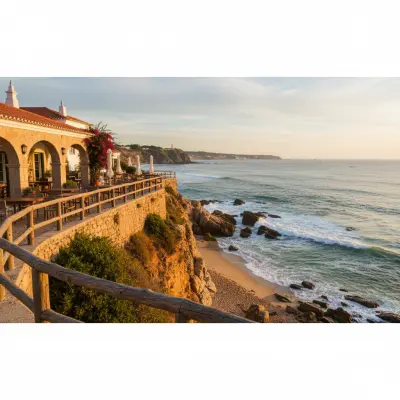
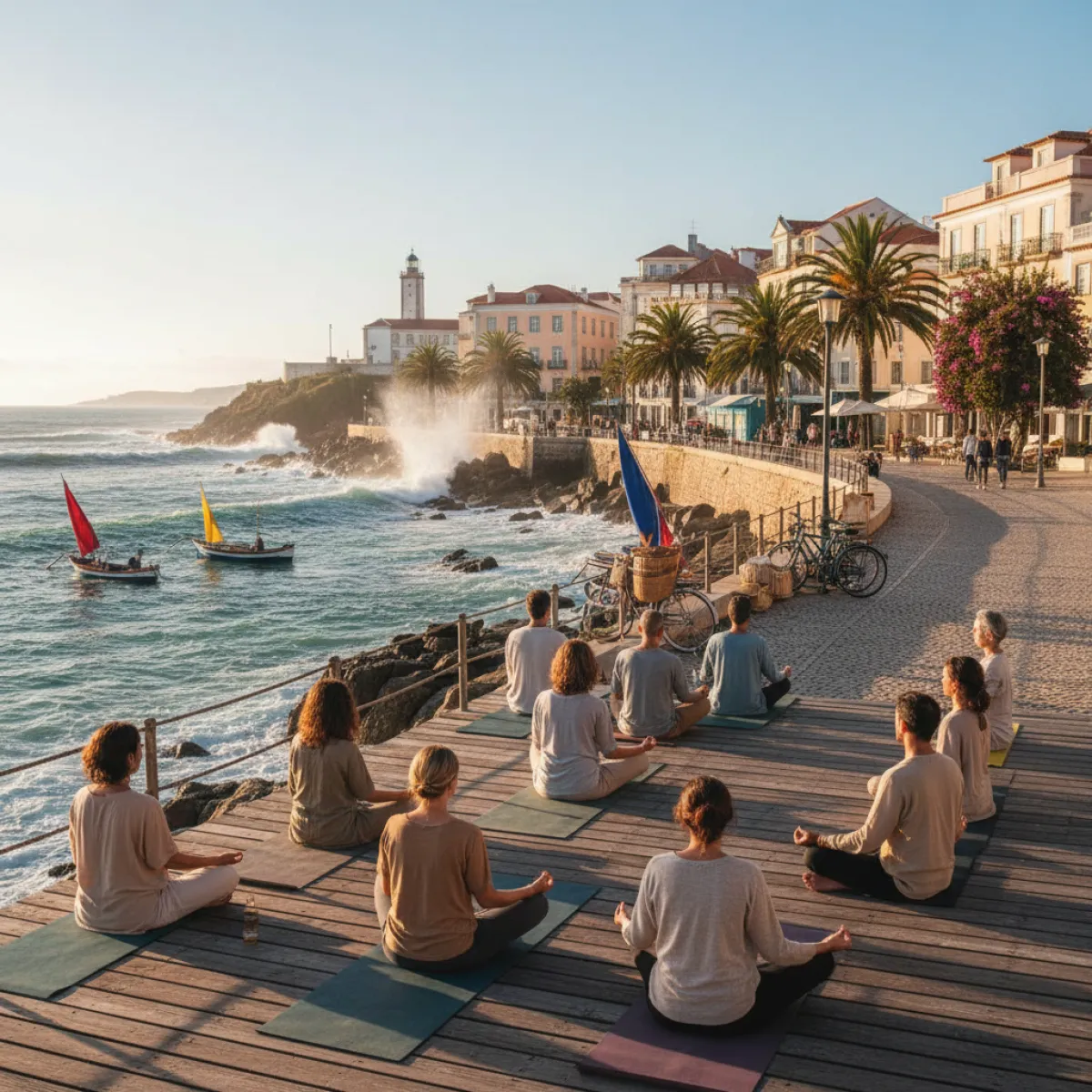
The essence of the Cascais coastline is best captured through slow movement. The Paredão, the sea wall connecting Estoril to Cascais, serves as a three-kilometer stage for local life. We suggest beginning your journey at the Miradouro da Azarujinha. Tucked away at the eastern end of the promenade, this viewpoint offers a dramatic introduction to the region's geology, where jagged cliffs meet the emerald Atlantic. It is the perfect vantage point to observe the coastal topography before heading toward the more sheltered bay of the town center.
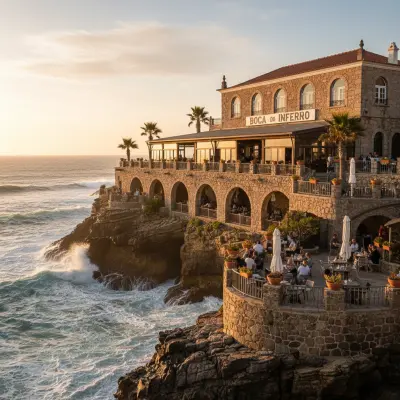
Embracing soft mobility is essential for an ethical visit. The MobiCascais bike-sharing system is highly efficient, particularly for the scenic cycle path that leads to Guincho Beach. This ten-kilometer route tracks the cliffside, passing landmark sites such as the Boca do Inferno. Unlike many overdeveloped European coasts, this stretch remains remarkably wild. Budget approximately 5 to 10 euros for a daily bike pass, a small price for a journey that offers fresh Atlantic air instead of the congestion of the town's narrow streets.
Architectural Stewardship and the Museum Quarter
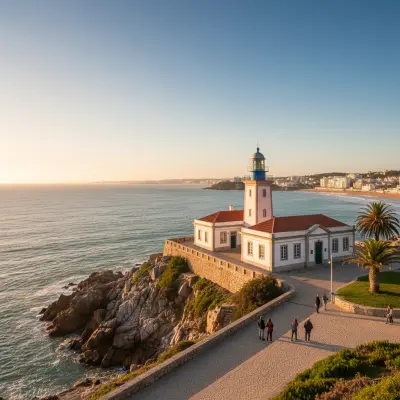
The Museum Quarter is a masterclass in urban sensitive design. Rather than erecting new, jarring structures, Cascais has repurposed its historic villas and forts. The Farol Museu de Santa Marta is a standout example. With its distinctive blue-and-white tiles, this lighthouse-turned-museum provides an insightful look into the history of maritime navigation. An entry fee of around 5 euros grants access to the lighthouse tower, offering one of the most balanced panoramas of the Cascais Marina and the Atlantic horizon.
To understand how this coastal culture fits into the broader Portuguese identity, one should explore the nuances of Local Culture in Lisbon: Traditions, Neighborhoods and the City's Soul. Understanding the relationship between the capital’s urban evolution and the coastal retreats like Cascais provides a necessary context for the preservation efforts seen today across the Lisbon region.
Culinary Integrity: Beyond the Tourist Menu
Sustainability in Cascais is most delicious when it’s local. The Mercado da Vila remains the heartbeat of the community, where daily catches are sold alongside produce from the nearby Sintra foothills. Avoid the restaurants with generic international menus and look for those that serve 'peixe da lota' (fish from the local auction). Expect to pay between 35 and 50 euros for a meal that features line-caught sea bass or seasonal sardines, ideally paired with a crisp white wine from the nearby Colares DOC.
For a deeper dive into these traditions, consider the Authentic Cooking Class in Cascais: Traditional Flavors with Meals & Memories. This is more than a recipe demonstration; it is a cultural exchange that emphasizes the provenance of ingredients. Learning to prepare traditional dishes using artisanal methods is perhaps the most respectful way to consume local heritage, ensuring these skills continue to flourish in a modern context.
Engaging with the Elements: Surf and Conservation
The Atlantic is the town’s greatest teacher. Engaging with the ocean through water sports requires a level of environmental literacy that fosters respect for the coast. Surfing in Cascais: Mastering the Atlantic with Surf Cascais offers a structured approach to this relationship. Beyond the physical skill, these sessions teach students about swell patterns, tides, and the fragile state of our oceans. It transforms a sport into a lesson in conservation.
When visiting the beaches, particularly the windswept Guincho, stick to the wooden boardwalks. These paths are designed to protect the delicate dune vegetation, which acts as a natural barrier against erosion. Simple actions like following these paths and using reef-safe sunscreen are small but vital contributions to the longevity of the local ecosystem.
Strategic Planning: Logistics and Budgets
Cascais is an excellent base for broader exploration, but it requires a strategic approach to avoid the crowds of the high season. Before heading inland, consult the Sintra Neighborhood Guide: Discover Every Corner of the Enchanted Town. It will help you navigate the mountain's microclimates and identify the less-trodden paths away from the main palaces. For those looking to venture further, the Best Day Trips from Cascais: Unmissable Destinations guide provides insights into nearby gems like Ericeira or Cabo da Roca without relying on a rental car.
- When to Visit: May, June, and September are ideal. You’ll find the best weather for outdoor activities with fewer crowds than in July or August.
- Transport: Take the train from Cais do Sodré. At roughly €2.30 each way, it’s affordable, scenic, and significantly reduces your carbon footprint compared to driving.
- Budgeting: For a mid-range experience, plan for €120-€150 per day (excluding accommodation). This covers high-quality meals, museum entries, and guided experiences.
- Etiquette: Water is a precious resource in Portugal. Be mindful of your usage. When dining, support establishments that clearly state their commitment to local sourcing.