Farol Museu de Santa Marta
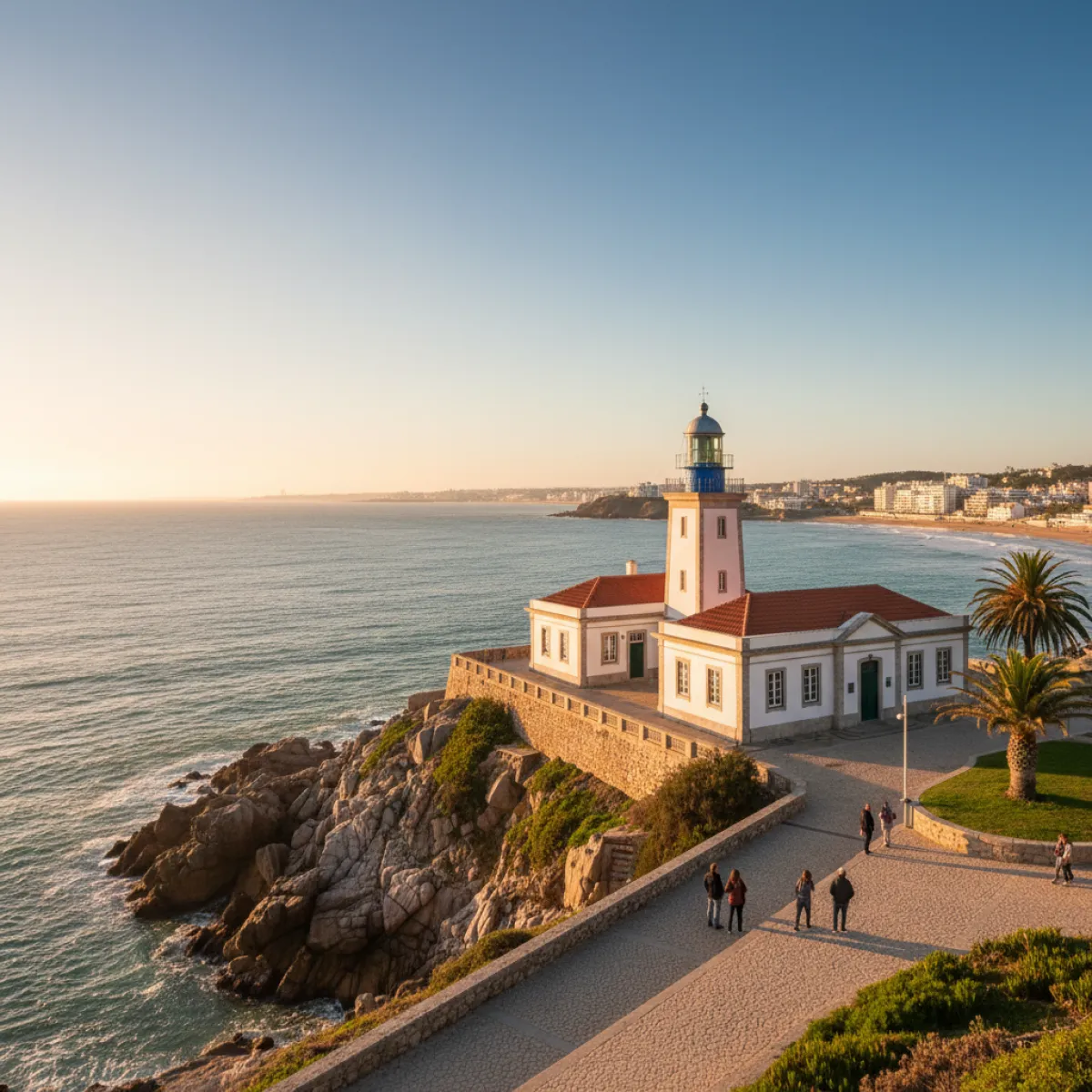
The Santa Marta Lighthouse Museum is a coastal icon in Cascais, blending a 17th-century fort with a minimalist architectural intervention by Aires Mateus. Discover the history of Portuguese maritime navigation and enjoy stunning views over the Atlantic.
The Nautical Soul of Cascais
Strolling along the sun-drenched coastline of Cascais, one silhouette commands immediate attention. The Santa Marta Lighthouse Museum, with its distinctive blue and white horizontal stripes, stands as a testament to Portugal's enduring relationship with the Atlantic. Located at R. do Farol de Santa Marta, 2750-341 Cascais, this is not merely a beacon for mariners but a sophisticated cultural space that interweaves military history, maritime science, and minimalist architecture.
The site’s history dates back to the 17th century, when it served as the Santa Marta Fort, a crucial link in the defensive chain protecting the Tagus estuary. By the mid-19th century, the fort’s military significance had waned, making way for the construction of the lighthouse in 1867. Today, while the light still guides vessels into the bay, the surrounding structures have been masterfully repurposed into a museum that honors the legacy of these coastal sentinels.
Architectural Purity by Aires Mateus
The conversion of the fort and lighthouse into a museum, completed in 2007, was spearheaded by the renowned Portuguese architects Francisco and Manuel Aires Mateus. Their intervention is a masterclass in contemporary design. Rather than competing with the historic stone walls, they introduced stark white volumes that appear to grow organically from the jagged rocks. These new structures house the exhibition galleries, providing a clean, modern backdrop that allows the historical elements to shine.
The design creates a seamless dialogue between interior and exterior. Open courtyards invite the sound of the Atlantic and the salty breeze into the heart of the museum. This architectural approach ensures that the experience of the visitor is always grounded in the location’s geographical context, the interface between land and sea. The play of light on the white surfaces mirrored against the deep blue of the Santa Marta cove creates a visual rhythm that is both calming and evocative.
Exploring the Museum: The Art of Illumination
Inside, the museum is thoughtfully curated into two primary sections. The first focuses on the broader history of Portuguese lighthouses, known as "Faróis de Portugal." Here, you can examine the extraordinary Fresnel lenses, complex glass prisms that represent the pinnacle of 19th-century optical engineering. Standing before these crystalline giants, one gains a profound appreciation for the ingenuity required to project light across vast oceanic distances.
The second section delves into the human element of the lighthouse. Through archival documents, personal diaries, and original equipment, the museum illustrates the daily life of the lighthouse keepers. Theirs was a life of solitude and immense responsibility, governed by the rhythmic pulse of the rotating beacon. The exhibit successfully humanizes the cold stone of the tower, telling stories of families who lived within these walls, isolated yet vital to the safety of the world's maritime commerce.
The View from the Cove
Perhaps the most captivating part of the Santa Marta Lighthouse Museum is the view from its terraces. The museum overlooks the Santa Marta cove, a picturesque inlet where the water often takes on a crystalline turquoise hue. From this vantage point, you can watch the traditional fishing boats and modern yachts navigate the bay. As highlighted in our guide to the Best Day Trips from Cascais: Unmissable Destinations, the lighthouse remains a primary cultural draw for those visiting from Lisbon.
For those continuing their coastal exploration toward Estoril, the walk leads eventually to the stunning Miradouro da Azarujinha. While the lighthouse museum offers a look into the history of the waves, Azarujinha provides a different, more natural perspective of the rugged coastline. Together, these sites paint a complete picture of the Cascais-Estoril shoreline.
Planning Your Visit: Practical Tips
Reaching the museum is a delightful experience in itself. From the Cascais train station, a 15-minute walk through the charming historic center and past the marina brings you to the gates. The walk is flat and highly scenic, passing several other landmarks of the Bairro dos Museus (Museum Quarter).
- Access: The museum is part of a larger cultural network. We recommend purchasing the combined Bairro dos Museus pass, which offers excellent value if you plan to visit the nearby Casa das Histórias Paula Rego or the Museum of the Counts of Castro Guimarães.
- Timing: Arrive in the late afternoon. The sunlight hitting the white architecture and the blue-striped tower is a photographer’s dream. The golden hour here is particularly magical.
- Nearby Attractions: Don't miss the Casa de Santa Maria, right next door. This eclectic mansion, with its stunning tile work and ceilings, shares the same entrance courtyard and provides a fascinating glimpse into 19th-century aristocratic life in Cascais.
- Dress Code: Casual but comfortable for walking. The Atlantic breeze can be stiff, so a light jacket is advisable even on sunny days.
The Santa Marta Lighthouse Museum is a place for contemplation. It manages to be both informative and incredibly atmospheric, offering a rare opportunity to step inside a working lighthouse enclosure. Whether you are an architecture enthusiast, a history buff, or simply someone who appreciates a beautiful view, this coastal icon is an essential experience in Cascais.
