The Atlantic Pulse: Surfing Culture and Maritime Heritage in Cascais
Discover the profound connection between Cascais and the Atlantic, from the historic lighthouses guarding the coast to the vibrant contemporary surf culture. A guide to experiencing the town through its sea-driven heritage and gastronomy.
The Architecture of the Atlantic Edge
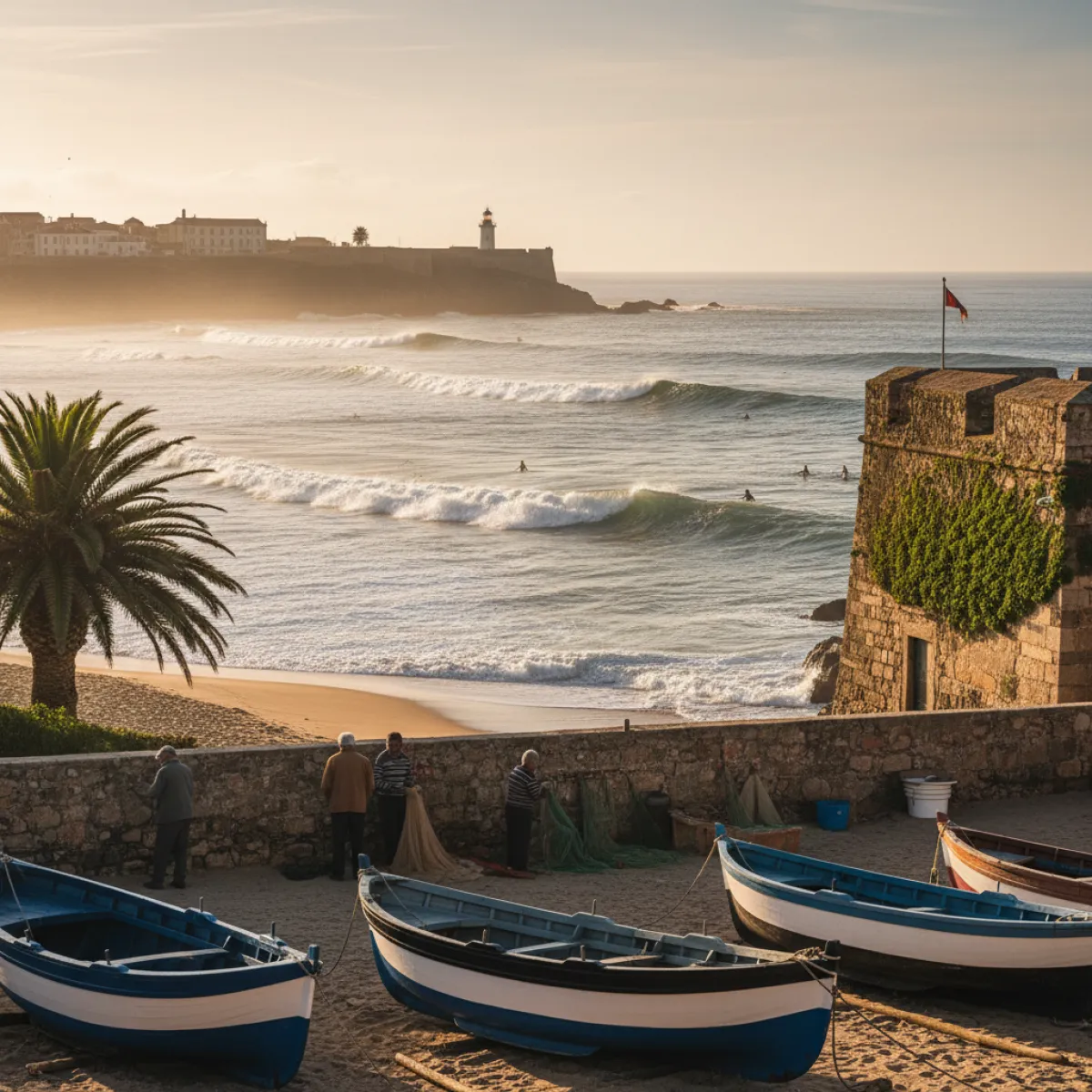
To understand Cascais, one must first understand its relationship with the Atlantic. This is not the calm, Mediterranean blue of the Algarve; this is the bracing, salt-sprayed reality of the Portuguese west coast. For decades, Cascais has balanced its reputation as a regal retreat with its gritty foundations as a fishing outpost. The result is a town that feels both curated and wild, where nineteenth-century palaces sit mere meters from jagged limestone cliffs that have been hollowed out by centuries of relentless swells.
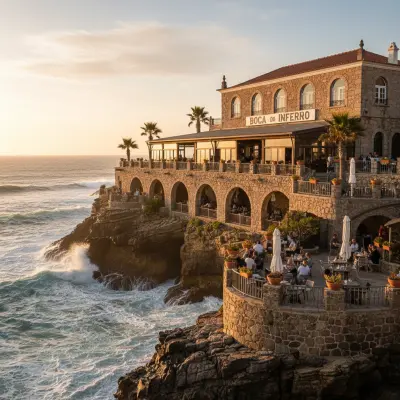
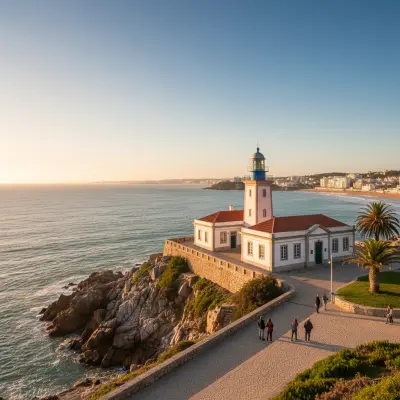
The maritime heritage of the region is anchored by its functional beauty. The Farol Museu de Santa Marta, with its iconic blue-and-white tiled tower, serves as a poignant reminder of the town’s navigational importance. Once a defensive fort, it now houses a collection that details the evolution of lighthouses along the Portuguese coast. It is a place of precision and silence, contrasting sharply with the raw power found at Boca do Inferno. This 'Hell’s Mouth' is a natural chasm where the ocean roars into the rocks, creating a mist that blankets the surrounding cliffs on heavy swell days. It is loud, unapologetic, and essential to the Cascais experience.
The Surf Ethos: Beyond the Beach
Surfing in Cascais is more than a sport; it is the town’s primary contemporary cultural export. The coastline here offers a rare versatility, providing shelter in certain bays while catching the full force of the Atlantic at others. Praia do Guincho remains the spiritual home for those who prefer their nature raw. It is a place of sand dunes and northwest winds, often more suited for windsurfing or advanced shortboarding. However, the culture is inclusive, provided you approach the water with the necessary respect.
For those looking to transition from spectator to participant, the town offers world-class instruction that prioritizes ocean literacy. Engaging with Surfing in Cascais: Mastering the Atlantic with Surf Cascais allows travelers to understand the mechanics of the local breaks. It isn't just about the physical act of catching a wave; it’s about understanding the tides, the wind shifts, and the etiquette of a crowded lineup. In Cascais, surfers are the modern guardians of the maritime tradition, possessing an intimate knowledge of the sea that rivals the fishermen of the past.
Vantage Points and Coastal Rhythms
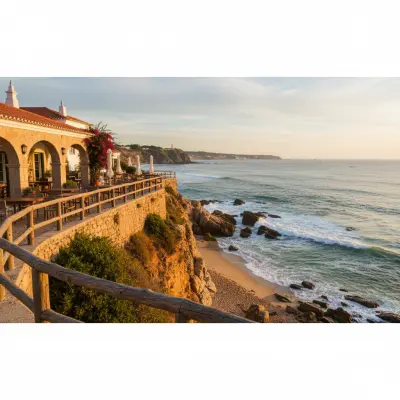
Walking the 'Paredão', the three-kilometer promenade connecting Cascais to Estoril, is the best way to observe the daily rhythms of the coast. Along this stretch, the Miradouro da Azarujinha offers a moment of architectural and natural harmony. The viewpoint looks down onto a semi-circular beach framed by stone walls, providing a vantage point that captures the essence of the 'Portuguese Riviera'. It is here that you realize Cascais is defined by these small, tucked-away bays that offer respite from the open ocean’s intensity.
Budgeting for a trip to Cascais requires a nuanced approach. It is easy to spend significantly on high-end seafood, but the most authentic experiences are often mid-range. Expect to pay around €30-€40 for a serious fish lunch, but remember that the coastal views and the fresh salt air are free. To see the town at its best, avoid the peak of July and August. The shoulder seasons, specifically May or October, offer the perfect balance of manageable temperatures and consistent surfing conditions, without the overwhelming tourist density.
Culinary Anchors and Regional Connections
The culinary identity of Cascais is inseparable from its maritime history. The local palate is defined by what the Atlantic provides daily: sea bass, sea bream, and the prized 'percebes' (goose barnacles). For a deeper immersion into these flavors, the Authentic Cooking Class in Cascais: Traditional Flavors with Meals & Memories provides an essential education. Understanding how to handle fresh Atlantic produce is a skill that connects the traveler to the generations of families who have lived off these waters. It is a pragmatic, ingredient-led cuisine that rewards simplicity over artifice.
While Cascais is a destination in its own right, its position makes it an ideal hub for broader exploration. It serves as a sophisticated counterpoint to the more traditional and often melancholic Local Culture in Lisbon: Traditions, Neighborhoods and the City's Soul. Furthermore, a short drive inland leads to the mists and myths of the mountains, detailed in the Sintra Neighborhood Guide: Discover Every Corner of the Enchanted Town. For those using Cascais as a base, consulting a guide like Best Day Trips from Cascais: Unmissable Destinations is vital for planning excursions to the rugged cliffs of Cabo da Roca or the world-class surf breaks of Ericeira.
Practical Insights for the Discerning Traveler
- Logistics: Take the train from Cais do Sodré. The journey is one of the most scenic rail routes in Europe, hugging the Tagus estuary before meeting the Atlantic.
- Dining: Look for 'Peixe do Dia' (Fish of the Day). If the restaurant can't tell you where the fish was caught, move on.
- Gear: Even in summer, the Atlantic is cold. A 3/2mm wetsuit is the standard for surfing, while a light jacket is necessary for the evening breezes off the water.
Cascais remains a town of layers. Beneath the surface of its luxury hotels and manicured parks lies a community that still respects the raw power of the ocean. Whether you are paddling out at sunrise or watching the sun set behind the Santa Marta lighthouse, you are participating in a maritime legacy that is as old as Portugal itself. It is a place that demands you look outward, toward the horizon, and embrace the unpredictable energy of the sea.