Tavira Without the Crowds: A Weekend Off-Script
Tavira may be the most beautiful town in the Algarve, but almost everyone does the same tourist loop. Fresh tuna at the market, wines that exist nowhere else, and an anchor cemetery in the sand, this is the weekend nobody tells you about.
Tavira has a reputation problem. For years, it flew under the radar while Albufeira and Lagos absorbed the package-holiday crowds. Now the word is out, and the default Tavira weekend looks something like this: Roman bridge photo, overpriced umbrella on Tavira Island, lunch at a restaurant with laminated menus in four languages, back to the hotel. Pleasant enough. Forgettable.
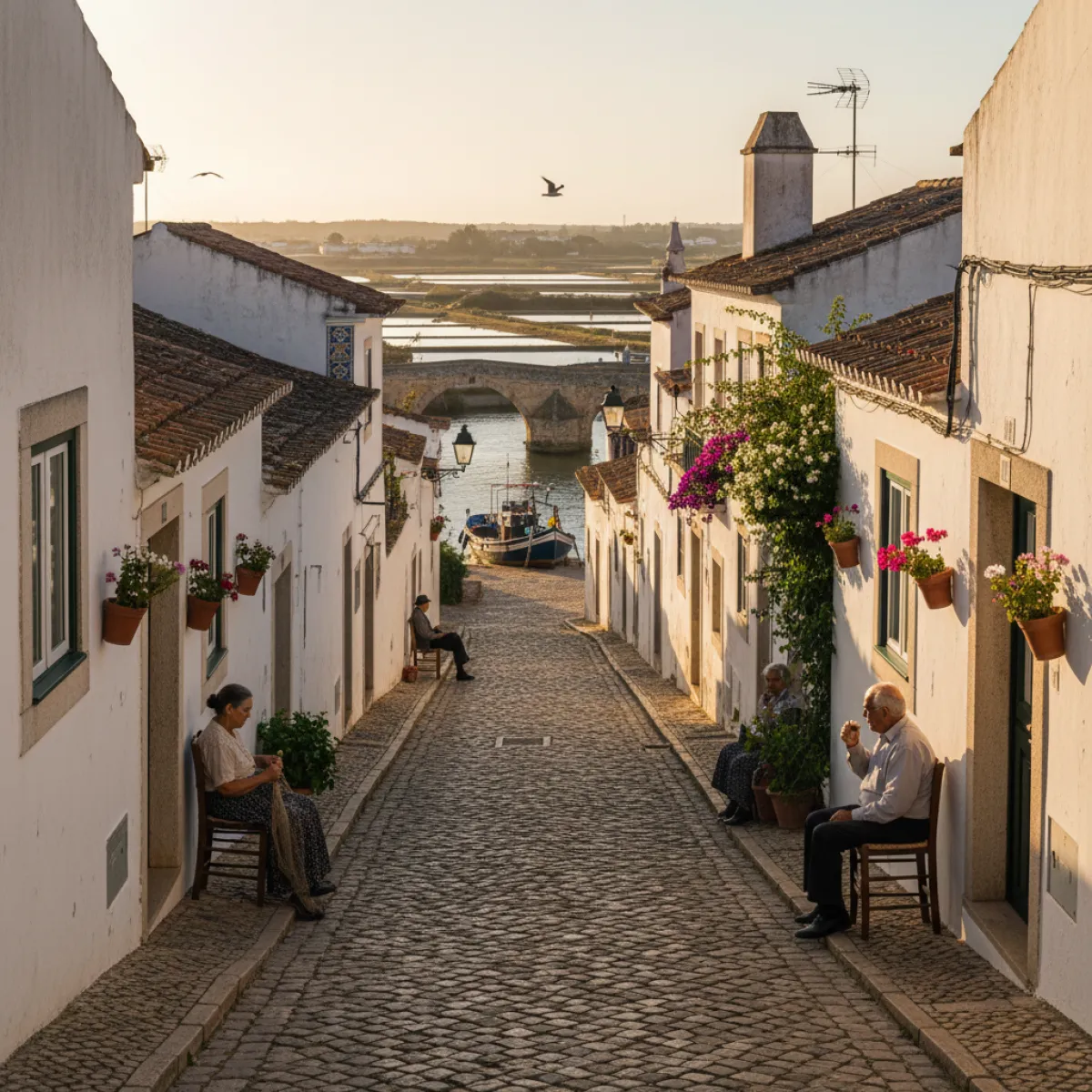
Here's the thing, Tavira might be the most beautiful town in the Algarve. The terracotta rooftops, the Gilão river cutting through the centre, the quiet side streets lined with crumbling azulejo facades. But to actually feel it, you need to step off the obvious path. This is how to spend a weekend here and come back with something worth talking about.
Friday Evening: Arrive and Slow Down
If you're driving, the A22 motorway is blissfully empty compared to the coastal EN125 (which is an exercise in patience and faith in humanity). From Lisbon, you're looking at under three hours. If you prefer the train, Tavira station is a ten-minute walk from the centre, a rare luxury in the Algarve, where most stations seem deliberately placed in the middle of nowhere.
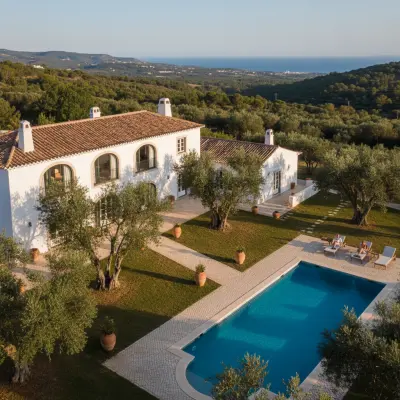
For accommodation, skip the generic beachfront resorts. Fazenda Nova Country House, a few minutes' drive from the centre, is the kind of place that justifies the trip on its own. A rural property surrounded by orange groves, with a pool, locally sourced breakfasts, and actual silence at night, not the curated silence of a resort with ambient music in the lobby. Book ahead, especially between June and September.
On your first night, resist the pull of the riverside restaurants. Instead, walk along Rua da Liberdade and find a tasca without an English menu. Order whatever fish is fresh, in Tavira, tuna is king, particularly between May and September during the season. Atum de cebolada (tuna braised with onions) is one of the great dishes of the Algarve when done properly. It doesn't need fancy sauces or Instagram plating. It needs fresh fish and someone who knows what they're doing.
Saturday Morning: The Market and the Ritual
Wake up early. Tavira's Municipal Market is best before 10am, when locals are still doing their shopping and the vendors have the patience to chat. This isn't a gentrified food hall, it's a neighbourhood market where you buy fish with the head on, imperfect fruit, and fresh cheese that still smells of milk. Saturdays are busiest and best.
After the market, coffee. The Portuguese don't do brunch, we do an espresso and a pastel de nata standing at the counter, pay a euro and change, and move on. Adopt this. Find a café with a terrace facing the Gilão river and let the morning happen to you.
The Culture Nobody Bothers With
Everyone visits the Church of Santa Maria do Castelo (and you should, it allegedly holds the tomb of Dom Paio Peres Correia). But almost nobody takes the time to sit inside Tavira Castle's walls. It's not a grand fortress like Óbidos or Guimarães, it's a small enclosure with a garden inside the ramparts and a view that sweeps across Tavira's rooftops, the Ria Formosa lagoon, and on clear days, the sea. Entry is free, and outside of August, you'll likely have it to yourselves.
If you're genuinely interested in the cultural fabric of the Algarve, our guide to local culture in Faro provides useful context, much of what shapes Tavira shares roots with Faro, from the ornate chimneys to the azulejo-covered facades that define both towns.
Saturday Afternoon: Wine, Not Sangria
Here's what most visitors don't know: Tavira has a winemaking tradition that's being revived. The region produced wine for centuries, the Romans were at it, but phylloxera and mass tourism nearly erased it. Now a new generation is recovering ancient grape varieties and producing wines you literally cannot find anywhere else.
The best way to understand this is through a wine experience at Al-Lagar, where you can taste local wines and hear the story from the people writing it. This is the kind of experience that elevates a trip from "pretty" to "I can't stop talking about it", and you will want to bring bottles home.
If you still have energy in the late afternoon, walk to the Quatro Águas area, where boats depart for Tavira Island. But instead of heading to the main beach (which in summer resembles a sardine tin), ask about the route to Praia do Barril. The kilometre-long boardwalk through the Ria Formosa, with the lagoon stretching out on both sides, is more beautiful than any beach. At the end, you'll find the Anchor Cemetery, hundreds of rusted anchors arranged in the sand, a memorial to the old tuna fishing industry. It's one of the most photogenic spots in the Algarve and doesn't cost a cent.
Saturday Night: Dinner Done Right
For Saturday dinner, raise your ambitions. Tavira has restaurants that would put many larger cities to shame. Look for places where the fish and seafood came from that morning's market. Order conquilhas (small clams sautéed with olive oil and garlic), arroz de lingueirão (razor clam rice) if available, or simply grilled fish with boiled potatoes and salad. In Tavira, the cooking doesn't need tricks, it needs raw materials, and those are abundant here.
A note on prices: eating well in Tavira is still surprisingly affordable compared to Lagos or Albufeira. Dinner for two with wine, fish, and a starter runs between €40 and €70 at good spots away from hotel restaurants. Pay cash when you can, some of the best places still prefer it.
Sunday: The Ria Formosa and Goodbye
Sunday should be slow. If you stayed at Fazenda Nova, linger over breakfast, you've earned it. Then dedicate the morning to the Ria Formosa. This natural park is one of Europe's most important ecosystems, home to over 200 bird species, and the best way to explore it is by boat. Tours depart from the Quatro Águas area with local guides who know every channel. Prices vary but expect €25-40 per person for a two-to-three-hour trip. Check schedules locally, as they depend on the tides.
If birdwatching isn't your thing, rent bicycles and ride the Ecovia do Litoral cycling path that passes through Tavira. The stretch between Tavira and Santa Luzia, the self-proclaimed "octopus capital", is flat, scenic, and takes less than half an hour. In Santa Luzia, have octopus for lunch. Don't overthink the restaurant choice, in Santa Luzia, the octopus is good everywhere because it arrives fresh daily. Polvo à lagareiro (roasted octopus with crushed potatoes) or octopus rice are your safest bets.
Before You Leave
Wander through the Rua da Galeria area in Tavira's centre, where small shops sell local crafts and products. Buy flor de sal from the Ria Formosa (better than Guérande, I'll say it), carob honey, or canned tuna, the best souvenirs are the ones you eat.
And if this weekend left you curious about the rest of the Algarve beyond the usual circuits, check our Lagos neighbourhood guide for your next escape. Or if Albufeira surprises you from an unexpected angle, there's more to discover in Albufeira's local culture than the Strip's nightclubs would have you believe.
The Essentials
- When to go: May-June or September-October. Avoid August unless you enjoy crowds and 35°C+ heat.
- Getting there: Car via the A22 (electronic tolls, register at Via Verde Visitors) or train from Lisbon (about 3h30, changing in Faro).
- Weekend budget: Budget €300-500 for two people including accommodation, meals, and experiences. More for premium lodging.
- What not to do: Don't eat lunch at the first row of restaurants along the river, the best value is always a street or two back.